How to Prune Tolmie's saxifrage?
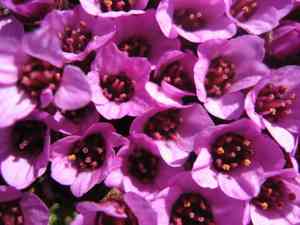
Tolmie's saxifrage, recognized by its basal leaf rosette and white star-like blossoms, greatly benefits from appropriate trimming. The most suitable times for pruning extend from spring to autumn, after the flowering phase, to foster more robust development and blooming. Removing faded flowers consistently throughout the growing period improves the plant's aesthetic and vitality. Minor trimming of aged or compromised foliage maintains the plant's neatness and can deter illness by enhancing air circulation around the specimen.
Benefits of Trimming Tolmie's Saxifrage
Benefits of Trimming Tolmie's Saxifrage
Trimming tolmie's saxifrage promotes robust development by eliminating old or lifeless foliage, fostering new, healthy shoots. Regular cutting aids in maintaining a compact, appealing form, vital in decorative gardening.
Optimal Time for Trimming Tolmie's Saxifrage
Optimal Time for Trimming Tolmie's Saxifrage
Trimming tolmie's saxifrage in Spring is perfect as it readies the plant for new growth by removing dead or old foliage after winter, boosting vitality and health as active growth commences. Summer trimming is advantageous for managing plant size and shape, particularly following the main blooming period, allowing energy redirection to healthier buds and parts. Fall trimming is essential to eliminate any diseased or damaged sections of tolmie's saxifrage before winter, lessening potential threats from pests and diseases during dormant periods when recovery is slower.
Tools Required for Trimming Tolmie's Saxifrage
Micro-Tip Pruning Snips
These snips are perfect for tolmie's saxifrage due to their accuracy and ability to gently handle the small, delicate stems and leaves without causing unnecessary harm.
Gardening Scissors
These are suitable for precisely removing dead or overgrown foliage from tolmie's saxifrage, which helps maintain the plants' dense growth habits. The sharp blades enable clean cuts that encourage rapid plant recovery.
Fine Pruning Saw
This tool should be utilized for tolmie's saxifrage, especially if there's a need to remove thicker, woodier stems that can occasionally develop. The fine tooth design provides clean cuts, minimizing stress to the plant.
How to Trim Tolmie's Saxifrage
Cleanup
Identify and remove any diseased or withered leaves from tolmie's saxifrage. Carefully inspect the leaves for any signs of fungal infection or discoloration, ensuring cuts are made close to the leaf base without harming healthy adjacent foliage.
Snip dead branches
Cut away dead branches from tolmie's saxifrage using sharp, clean pruning shears. Make each cut close to the main stem or branch base, ensuring no stubs are left as these can attract pests and diseases.
Remove diseased branches
Excise diseased branches from tolmie's saxifrage to prevent infection spread. Make cuts several inches into healthy tissue below affected areas to ensure all diseased material is removed. Sterilize tools after cutting each diseased branch to avoid contaminating healthy parts.
Shape plant
Lightly trim the remaining branches of tolmie's saxifrage to maintain a pleasing shape and encourage healthy growth. Avoid excessive pruning, which can stress the plant and hinder its development.
Cleanup site
Clear away all trimmed material from around the base of tolmie's saxifrage to discourage pests and diseases from lingering. Dispose of diseased matter properly to avoid spreading pathogens.
Common Trimming Errors with Tolmie's Saxifrage
Over-pruning
A significant error in trimming tolmie's saxifrage is removing too much foliage at once, which can shock the plant and impede its growth. It's crucial to trim sparingly, focusing on dead or diseased tissue and careful thinning to improve light and air penetration.
Incorrect cutting technique
Using improper cutting techniques can damage the stems of tolmie's saxifrage, leading to poor plant health and potential infections. Cuts should be made at a 45-degree angle, just above an outward-facing bud or leaf node.
Neglecting tool hygiene
Failing to clean and sterilize trimming tools before use on tolmie's saxifrage can spread diseases from one plant to another. Always clean tools with a disinfectant before moving to another plant.
General Trimming Advice for Tolmie's Saxifrage
Selective pruning
To encourage healthy growth and flowering in tolmie's saxifrage, selectively remove only the dead or damaged tissue and over-crowded stems. This selective approach helps maintain the plant's natural shape and promotes vigorous growth.
Timing precision cuts
While the best season isn't specified, the timing of the cuts during trimming sessions greatly impacts tolmie's saxifrage's health. Focus on removing specific parts that adversely affect the plant's overall health, such as damaged leaves or unhealthy branches, which should be trimmed back to healthy tissue to facilitate quick healing.
Promoting airflow and light
When trimming tolmie's saxifrage, ensure enough space among the stems to enhance air circulation and sunlight penetration. This not only helps reduce the risk of fungal infections but also supports stronger and more balanced growth.



