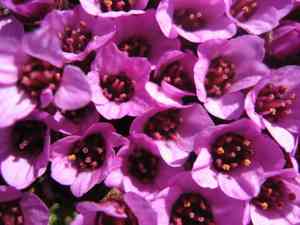
Tolmie's saxifrage (Micranthes tolmiei)
Also known as: Tolmie's saxifrage
Tolmie's saxifrage, a mat-forming plant found in alpine meadows, is best recognized by its daisy-like flowers that bloom in the summer. The scientific name *Micranthes tolmiei* honors Dr. William Fraser Tolmie (1812–1886), who discovered the plant while ascending Mt. Rainier in Washington state.
In This Article
Attributes of Tolmie's saxifrage
Lifespan
Perennial
Plant Type
Herb
Plant Height
5-20 cm
Spread
N/A
Leaf Color
Green
Flower Size
0.5-1 cm
Flower Color
White Yellow Green
Images of Tolmie's saxifrage
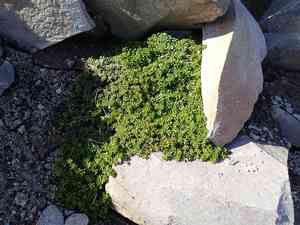
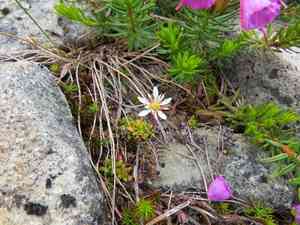
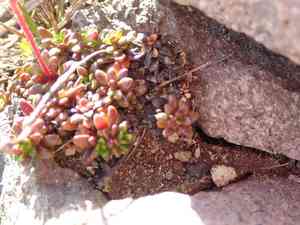
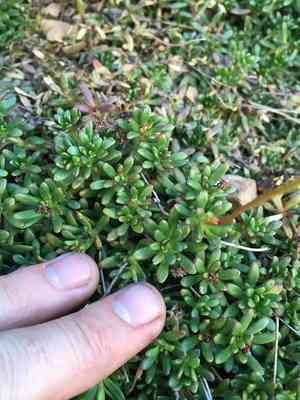
Quickly Identify Tolmie's saxifrage
1
Tolmie\'s saxifrage can be identified by its basal rosette of leaves, small white or pinkish flowers with five petals, and a preference for rocky, mountainous habitats.
Scientific Classification of Tolmie's saxifrage
Phylum
Vascular plants
Class
Dicotyledons
Order
Saxifragales
Family
Saxifrage
Genus
Micranthes
Species
Tolmie's saxifrage
Planting and Growing of Tolmie's saxifrage
Care Difficulty
Easy
Watering Schedule
Every 2 days
Sunlight Requirements
Partial sun
Sunshine Duration
4-8 hours
Ideal Temperature
50-70℉
Soil Type
Potting Mix, Peat Mix
Soil pH
5.5-7
Fertilizer Type
Balanced
Pruning Season
Spring, Summer
Pruning Area
Branches, Leaves
Pruning Frequency
2 times a year
Repotting Season
Spring
Pot Type
Plastic, Ceramic
 How to Water Tolmie's saxifrage?
Micranthes tolmiei appreciates when its soil is thoroughly drenched, but never waterlogged. Water until you see it dripping from the drainage holes, which indicates the soil is fully saturated. The goal is to mimic natural rainfall patterns.
What are the symptoms of an underwatered Tolmie's saxifrage?
›
What should I do if my Tolmie's saxifrage is not getting enough water?
›
What are the symptoms of an overwatered Tolmie's saxifrage?
›
How to save an overwatered Tolmie's saxifrage?
›
 What Are the Sunlight Requirements for Tolmie's saxifrage?
Micranthes tolmiei prefers partial sun or full shade, making it ideal for shaded gardens or indoor spaces with controlled light. Consistent exposure within its preferred range supports healthy foliage and encourages natural flowering cycles.
What is the optimal location for Micranthes tolmiei?
›
How can I simulate natural conditions indoors?
›
Why is light regulation important for Micranthes tolmiei?
›
 What Is the Ideal Temperature Range for Tolmie's saxifrage?
The ideal temperature range for Micranthes tolmiei lies between 50°F and 70°F. This temperature range ensures optimal growth and health for the plant. Within this range, metabolic activities, such as photosynthesis and respiration, are most efficient, promoting robust development and flowering.
 What Soil is Best for Tolmie's saxifrage?
Micranthes tolmiei thrives in well-draining loam soil as it prevents waterlogging which can lead to root rot. The balance of sand, silt, and clay in loam offers good aeration and moisture retention, fostering healthy growth. This plant prefers slightly acidic soil conditions, typically with a pH range from 5.5 to 6.5. Such conditions are ideal for nutrient availability, particularly iron, which is crucial for its lush, green foliage. Incorporating organic matter into the soil can boost its fertility and improve its texture. The addition of compost or well-rotted leaf mulch provides essential nutrients and enhances soil structure, supporting robust plant development.
 How to Fertilize Tolmie's saxifrage?
Micranthes tolmiei, also known as Tolmie's Saxifrage, requires careful fertilization due to its natural habitat in nutrient-poor environments. Use a balanced 10-10-10 fertilizer, diluting to half-strength. Apply 5 ml per liter of water for liquid fertilizer monthly, ensuring gentle nourishment without overwhelming the plant.
 How to Prune Tolmie's saxifrage?
Begin by examining the plant to identify any dead or damaged leaves. Remove these first to encourage healthy new growth. Next, trim any overly long or untidy stems, making sure to cut just above a leaf node to promote branching. Finally, step back and check the overall shape of the plant, ensuring it remains balanced and aesthetically pleasing. Prune Micranthes tolmiei in early spring after the last frost or in late fall after it has finished blooming. Pruning after this time helps prepare the plant for new growth in the coming season. Be mindful of local climate conditions that might affect the ideal pruning time.
More About Pruning Techniques→
 How to Propagate Tolmie's saxifrage plant?
1
Choose healthy parent plants that are free from diseases. This ensures that the new plants will inherit good traits and have a higher chance of successful propagation.
2
Prepare a well-draining soil mix by combining equal parts of peat moss and perlite. This mix provides the necessary aeration and moisture retention for seeds and cuttings to thrive.
3
Place seeds on the surface of the soil or insert cuttings into the soil mix. Ensure they are spaced adequately apart to allow for proper growth and development without competition.
 How to Repot Tolmie's saxifrage plant?
1
Examine your Micranthes tolmiei closely for signs it needs repotting. If roots are visibly growing through the drainage holes, or the plant appears to be top-heavy and struggles to retain moisture, these are strong indicators. Ideally, repotting should occur during its active growth phase in spring or summer to reduce stress.
2
Select a pot that is one size larger than the current one, ensuring there are ample drainage holes. A slightly larger pot provides enough room for root growth, helping prevent root bound conditions and promoting healthier, more vigorous plant development.
3
Use a well-draining potting mix to repot your Micranthes tolmiei. A mix composed of equal parts potting soil, perlite, and peat moss helps maintain the right balance of moisture retention and drainage, essential for the plant's roots to thrive comfortably.



