How to Prune Michaux's saxifrage?
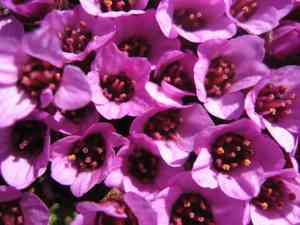
This enduring herbaceous plant is recognized for its rosette growth pattern and groupings of white blossoms. For michaux's saxifrage, trimming is performed to eliminate withered or compromised leaves and to sculpt the plant. The most suitable periods for pruning are spring, summer, and autumn, preferably following blooming to deter seed formation and stimulate vegetative development. Trimming michaux's saxifrage aids in preserving its dense structure and fosters more robust, energetic growth. Disinfected, keen pruning implements are advised to avert the spread of pathogens.
What Are the Benefits of Pruning Michaux's Saxifrage?
What Are the Benefits of Pruning Michaux's Saxifrage?
Trimming michaux's saxifrage promotes robust development and preserves its desired form. Strategic cuts enhance light penetration and air circulation within the plant, fostering strong health and preventing excessive growth that could compromise its natural shape.
What Is the Best Time for Pruning Michaux's Saxifrage?
What Is the Best Time for Pruning Michaux's Saxifrage?
Pruning michaux's saxifrage in early spring allows for the removal of any dead or damaged foliage from the winter, encouraging healthier new growth as the plant enters its active phase. Late summer pruning should be minimal, primarily for shaping and removing spent flowers, which improves air circulation and may extend the blooming period. Early fall pruning, though generally less recommended, can be done to tidy up unruly summer growth or to prepare michaux's saxifrage for winter by eliminating diseased or damaged parts. It's crucial to avoid pruning michaux's saxifrage too late in the fall, as fresh cuts might not heal before cold weather arrives, potentially harming the plant. These timings are chosen to ensure pruning doesn't interfere with michaux's saxifrage's natural flowering cycle or dormancy, thus maintaining its health and vigor.
What Tools Do I Need to Prune Michaux's Saxifrage?
Bypass Hand Pruners
Perfect for precise cuts on the slender stems of michaux's saxifrage, bypass pruners ensure clean, healthy cuts without crushing plant tissue.
Needle-nose Pruning Snips
Ideal for deadheading michaux's saxifrage and accessing tight areas without harming delicate foliage, thanks to their long, thin blades.
Gardening Gloves
Protects the gardener's hands from thorns and sharp edges while working with michaux's saxifrage.
How to Prune Michaux's Saxifrage
Identify diseased or damaged parts
Carefully inspect michaux's saxifrage to locate any diseased leaves, withered leaves, dead branches, or diseased branches that need trimming.
Disinfect tools
Before beginning to prune michaux's saxifrage, ensure all pruning implements are sanitized to prevent disease transmission.
Remove diseased leaves
Gently snip off any diseased leaves from michaux's saxifrage, making sure to cut at the base of the leaf stalk without harming healthy tissue.
Prune withered leaves
Cut back any withered leaves on michaux's saxifrage to the base of the leaf stalk to encourage healthy growth and improve air circulation.
Trim dead or diseased branches
Remove dead or diseased branches from michaux's saxifrage by cutting at a 45-degree angle just above a healthy bud or leaf node to stimulate new growth.
Common Pruning Mistakes with Michaux's Saxifrage
Over pruning
Removing too much foliage from michaux's saxifrage can stress the plant, impeding its growth and reducing its ability to photosynthesize effectively.
Cutting flower stems early
Trimming flowering stems of michaux's saxifrage before they've had a chance to bloom can prevent the plant from displaying its characteristic flowers.
Improper cut location
Incorrectly cutting into or above the crown can harm the plant's core, potentially leading to disease or poor regrowth in michaux's saxifrage.
Shearing leaves
Using shears to trim michaux's saxifrage can crush delicate leaf tissues, making them more vulnerable to disease and pests.
Neglecting deadheading
Failing to remove spent flowers can limit future blooms and divert energy away from healthy growth in michaux's saxifrage.
Harsh cuts
Making jagged or harsh cuts can create larger wounds on michaux's saxifrage that take longer to heal, increasing the chance of disease.
Common Pruning Tips for Michaux's Saxifrage
Clean instruments
Always use sharp, disinfected pruning tools for michaux's saxifrage to ensure clean cuts and prevent disease transmission.
Selective pruning
Practicing selective pruning by removing only dead, diseased, or weak stems maintains the plant's structure and health.
Angle cuts
Making angled cuts away from the crown of michaux's saxifrage will help to encourage water run-off and prevent rot at the base of the stem.
Encouraging blooms
Deadheading spent flowers promptly encourages more blooms and redirects energy into the foliage and root system of michaux's saxifrage.
Preserve plant shape
Pruning should be done in a way that maintains the natural shape of michaux's saxifrage, enhancing its overall appearance and growth habit.
Post-bloom pruning
Conduct light pruning on michaux's saxifrage after flowering to remove faded flower stalks and shape the plant without affecting next season's blooms.



