How to Prune Pennsylvania saxifrage?
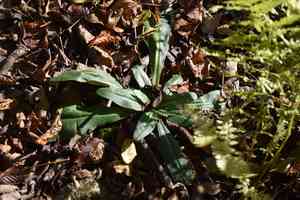
This enduring herbaceous species is recognized for its abundant leaves and tiny, fragile blossoms. Trim pennsylvania saxifrage during the initial part of spring or the latter part of winter to eliminate deceased or compromised foliage and stimulate vigorous new development. Cut back any faded flower stems post-flowering to foster a neat look. Regular trimming additionally aids in averting ailments and boosts air circulation surrounding the plant. Adhere to these recommendations to guarantee superior visual charm and strong vitality for the pennsylvania saxifrage in your garden.
What Are the Benefits of Pruning Pennsylvania Saxifrage?
What Are the Benefits of Pruning Pennsylvania Saxifrage?
Trimming pennsylvania saxifrage encourages vigorous development and helps maintain its form. Regular trimming fosters robust growth, enhances its overall look, and boosts its resistance to pests and illnesses.
What Is the Best Time for Pruning Pennsylvania Saxifrage?
What Is the Best Time for Pruning Pennsylvania Saxifrage?
Trimming pennsylvania saxifrage in early spring or late winter is ideal as these times align with the plant's dormant period. Pruning during dormancy reduces plant stress, improves health by removing dead or diseased wood, and stimulates strong growth in the subsequent season. Furthermore, avoiding pruning during flowering or fruiting ensures the plant's energy is directed towards producing blooms and fruits rather than recovering from cuts.
What Tools Do I Need to Prune Pennsylvania Saxifrage?
Bypass Pruners
Bypass pruners are perfect for precise, clean cuts on leaves and stems without harming delicate tissues. Pennsylvania saxifrage is a herbaceous perennial with relatively small stems, so bypass pruners guarantee accuracy in trimming.
Precision Scissors
For delicate or very exact trimming, precision scissors are excellent. Pennsylvania saxifrage might have small, intricate parts that require such fine pruning instruments.
Hand Shears
For light trimming of larger clusters, hand shears help shape and manage the growth of pennsylvania saxifrage more effectively than standard pruners.
Sterilizing Solution
Having a sterilizing solution ready is crucial for cleaning tools before and after trimming pennsylvania saxifrage, helping to prevent the spread of diseases among plants.
How to Prune Pennsylvania Saxifrage
Inspect
Thoroughly examine pennsylvania saxifrage for any indications of diseased or withered foliage. Ensure you clearly understand which sections require attention.
Equip
Gather sanitized pruning shears. This is vital to prevent the transmission of disease during the trimming process.
Remove
Carefully detach diseased leaves from pennsylvania saxifrage by cutting them at the base. Make sure to cut at an angle to prevent water from accumulating on the cut surface.
Trim
Precisely snip away the withered leaves of pennsylvania saxifrage close to the stem without harming the main stem or healthy foliage. This encourages better air circulation and overall vitality.
Dispose
Properly discard the removed leaves away from the garden area to prevent any potential spread of disease to healthy plants.
Common Pruning Mistakes with Pennsylvania Saxifrage
Over-Pruning
Removing too many leaves and stems at once can stress pennsylvania saxifrage and negatively impact its overall health and development.
Improper Cut Angles
Making cuts at incorrect angles can lead to stem damage and heighten the risk of disease.
Ignoring Dead Growth
Failing to remove dead, damaged, or diseased parts can hinder healthy growth and flowering.
Using Dull Tools
Dull pruning tools can create jagged cuts, making pennsylvania saxifrage vulnerable to pests and diseases.
Pruning at Incorrect Nodes
Cutting too close to buds or nodes can impede the emergence of new growth.
Common Pruning Tips for Pennsylvania Saxifrage
Use Sharp, Clean Tools
Always use sharp and sterilized pruning tools to make clean cuts and minimize the risk of infection.
Remove Dead or Diseased Parts First
Prioritize the removal of any dead, damaged, or diseased stems and leaves to encourage healthy growth.
Make Angled Cuts
Make your cuts at a 45-degree angle to ensure water runoff, reducing the risk of rot and disease.
Prune Sparingly
When pruning, always remove less than one-third of the plant to avoid stressing pennsylvania saxifrage.
Cut Above a Healthy Node or Bud
Ensure you cut just above a healthy node or bud to encourage new growth and maintain the plant’s natural shape.



