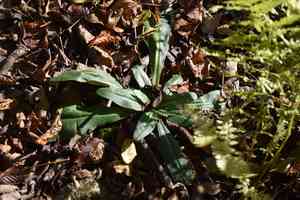
Pennsylvania saxifrage (Micranthes pensylvanica)
Also known as: Brook saxifrage, Pennsylvania saxifrage
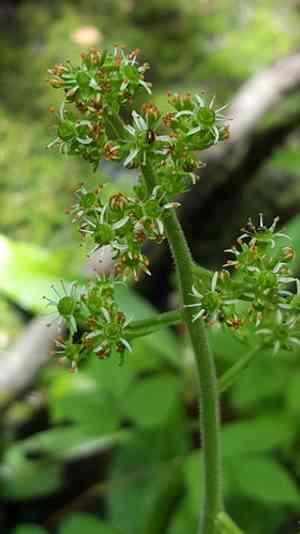
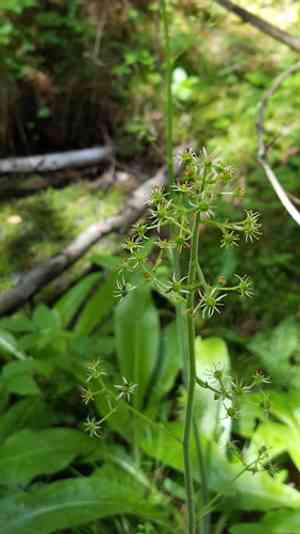
Pennsylvania saxifrage (Micranthes pensylvanica) commonly thrives in moist, shaded environments such as stream banks and forested areas. This perennial plant is characterized by its low-growing, toothed oval leaves that form a basal rosette close to the ground. In the spring, it sends up a slender, hairy stem that can reach up to 30 cm (about 12 inches), adorned with clusters of small, white star-shaped flowers. Well-suited to the temperate climates of Eastern North America, Pennsylvania saxifrage showcases both resilience and subtle beauty.
In This Article
Attributes of Pennsylvania saxifrage
Lifespan
Perennial
Plant Type
Herb
Plant Height
30 cm to 1.02 m
Spread
N/A
Leaf Color
Green
Flower Size
0.5-1 cm
Flower Color
White
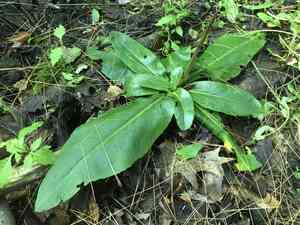
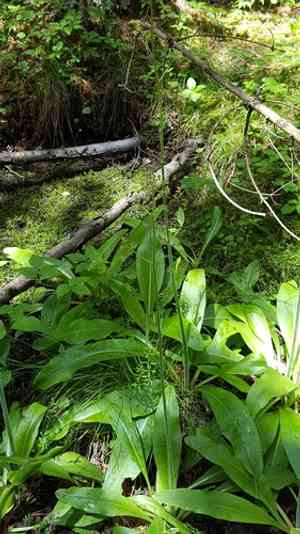
Images of Pennsylvania saxifrage
Quickly Identify Pennsylvania saxifrage
1
To identify Micranthes pensylvanica, look for its basal rosette of glossy, thick leaves. The leaves are typically obovate with blunt tips and are arranged in a circular pattern. In the blooming season, it produces a cluster of small, white flowers on a single, thin stalk extending from the center of the rosette.
Scientific Classification of Pennsylvania saxifrage
Phylum
Vascular plants
Class
Dicotyledons
Order
Saxifragales
Family
Saxifrage
Genus
Micranthes
Species
Pennsylvania saxifrage
Planting and Growing of Pennsylvania saxifrage
Care Difficulty
Easy
Watering Schedule
Every 2 days
Sunlight Requirements
Partial sun
Sunshine Duration
6-10 hours
Ideal Temperature
60-75℉
Soil Type
Potting Mix, Peat Mix
Soil pH
6.5-7.5
Fertilizer Type
Balanced
Pruning Season
Spring, Summer
Pruning Area
Branches, Leaves
Pruning Frequency
2 times a year
Repotting Season
Spring
Pot Type
Plastic, Ceramic
 How to Water Pennsylvania saxifrage?
For Micranthes pensylvanica, ensure soil is consistently moist without waterlogging. Water until soil is damp but excess water drains out. This generally means using around 500 ml per watering session, though it may vary with pot size and environmental conditions.
What are the symptoms of an underwatered Pennsylvania saxifrage?
›
What should I do if my Pennsylvania saxifrage is not getting enough water?
›
What are the symptoms of an overwatered Pennsylvania saxifrage?
›
How to save an overwatered Pennsylvania saxifrage?
›
 What Are the Sunlight Requirements for Pennsylvania saxifrage?
Partial sun to full shade conditions enable Micranthes pensylvanica to thrive, promoting lush foliage and resilience, without the stress of direct full-day exposure.
What are the optimal lighting conditions for Micranthes pensylvanica?
›
What solutions will help this plant reach its ideal light conditions?
›
What benefits arise from achieving ideal light conditions for this plant?
›
 What Is the Ideal Temperature Range for Pennsylvania saxifrage?
The ideal temperature range for Micranthes pensylvanica is between 60°F and 75°F. This range provides optimal conditions for growth and photosynthesis. Maintaining this range ensures that the plant's metabolic processes are unhindered, promoting healthy foliage and blooming.
 What Soil is Best for Pennsylvania saxifrage?
Micranthes pensylvanica thrives in well-drained soil. Ensuring your soil has good drainage prevents root rot, a common ailment in overly moist conditions. It allows roots to access oxygen, promoting healthy growth. Adding organic matter to the soil boosts its nutrient content and structure. This condition reduces compaction and improves water retention, supporting Micranthes pensylvanica in nutrient uptake and robust development. A pH range from 6.5 to 7.5 is ideal for Micranthes pensylvanica. It ensures nutrient availability and helps microorganisms flourish, contributing to a healthier nutrient cycle and overall plant vigor.
 How to Fertilize Pennsylvania saxifrage?
For Micranthes pensylvanica, applying the right amount of fertilizer is vital for its health. When using liquid fertilizers, dilute it to half the recommended strength to avoid over-fertilization. For slow-release fertilizers, a small layer around the base of the plant is sufficient. Excessive fertilizer can burn the roots and stunt the growth, while too little can result in poor flowering.
 How to Prune Pennsylvania saxifrage?
Start by removing any dead or withered leaves at the base of the plant. This encourages airflow around the base and reduces the risk of fungal infections, keeping the plant vibrant. Gently trim back any overgrown or misaligned parts of the plant to maintain a tidy and desired shape. Doing this consistently helps to enhance its overall aesthetic appeal and encourages bushier growth. Be cautious not to over-prune, as removing too much foliage can stress the plant. Focus on maintaining balance and preserving the plant's integrity to ensure continuous healthy growth.
More About Pruning Techniques→
 How to Propagate Pennsylvania saxifrage plant?
1
Ensure the soil is well-draining and rich in organic matter. Loosen the soil to a depth of at least 12 inches to promote root development and plant stability.
2
For seed propagation, sow seeds in a prepared seed tray or directly onto finely raked soil, ensuring seeds are spaced and lightly covered with soil to promote germination.
3
Use a spade to carefully separate sections of the plant with intact roots. Each section should have at least one growth node for successful re-establishment.
 How to Repot Pennsylvania saxifrage plant?
1
Micranthes pensylvanica requires repotting when you notice roots overcrowding and visibly poking out of the drainage holes. This is a clear indicator that the plant has outgrown its container. Additionally, if you observe slower growth, this can also be a signal that repotting is needed to replenish the soil nutrients and provide more space for the plant.
2
Select a pot that is one size larger than the current one, with ample drainage holes. This ensures the roots have room to expand and reduces the risk of root rot by allowing excess water to escape. A pot made from breathable materials like terracotta can also help regulate moisture levels more effectively.
3
Opt for a soil mix enriched with organic matter, ensuring it is rich yet well-draining. Such soil will provide essential nutrients while preventing waterlogging. The presence of substances like perlite or coarse sand in the mix helps to maintain aeration and drainage, crucial for the healthy growth of Micranthes pensylvanica.
Learn More About Pennsylvania saxifrage Diseases
Anthracnose
Bacterial Leaf Spot
Bacterial Soft Rot
Crown Gall
Cyst Nematode
Damping-off
Downy Mildew
Drought Stress
Fusarium Wilt
Gray Mold
Leaf Spot
Mosaic
Nutrient Deficiency
Nutrient Toxicity
Powdery Mildew
Root Rot
Root-knot Nematode
Rusts
Sooty Mold
Spider Mites
Temperature Stress
Thrips Damage
White Mold



