How to Prune Pyramid flower?
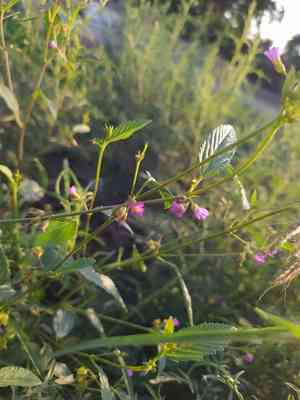
Recognizable by its cone-shaped floral arrangements, pyramid flower flourishes with consistent trimming to sculpt its form and stimulate denser development. Perform pruning in early spring for revitalization or following summer and autumn blooming periods to manage its dimensions. Eliminate any lifeless or frail stalks, and thin out congested sections to enhance air movement. Trimming fosters robust blossoms and guards against ailments in this variety. Carry out this task with sanitized, keen implements for accurate incisions to uphold pyramid flower's vigor.
What Are the Benefits of Pruning Pyramid Flower?
What Are the Benefits of Pruning Pyramid Flower?
Trimming pyramid flower promotes robust development and maintains its desired form. It aids in eliminating dead or weak branches, fostering new growth that contributes to a stronger structure and enhanced plant vitality.
What Is the Best Time for Pruning Pyramid Flower?
What Is the Best Time for Pruning Pyramid Flower?
Pyramid flower is best pruned in Spring after the final frost to stimulate healthy new growth and remove any winter damage. Early Summer pruning is ideal for shaping the plant as it precedes the peak growth period, allowing gardeners to guide its structure without causing stress. Fall pruning should be minimal, focusing on removing only dead or diseased branches to maintain plant health and cleanliness, thereby reducing disease and pest pressure in the subsequent season. These timings are selected because they align with pyramid flower's active growth phases and avoid its flowering cycle to maximize its ornamental value. Furthermore, avoiding heavy pruning in late Fall prevents new growth that might not have sufficient time to harden before winter frosts, potentially leading to frost damage. Seasonal pruning aligns with the natural cycle of pyramid flower, encouraging vigorous growth while ensuring the plant's resources are not unduly strained at inappropriate times.
What Tools Do I Need to Prune Pyramid Flower?
Hand Pruners
Perfect for making precise cuts on pyramid flower's thinner stems and branches. They ensure clean cuts that help prevent disease entry.
Loppers
Suitable for cutting thicker branches of pyramid flower that hand pruners cannot manage, providing extended reach and greater leverage for a cleaner cut.
Pruning Saws
Crucial for cutting branches exceeding 1.5 inches in diameter, ensuring larger cuts are smooth and do not harm pyramid flower.
Hedge Shears
Useful for shaping pyramid flower hedges, enabling straight, even cuts across large areas of foliage.
Gloves
To safeguard your hands from scratches and any potential skin irritants while pruning pyramid flower.
How to Prune Pyramid Flower
Clean tools
Before pruning pyramid flower, clean and sanitize all pruning implements. This prevents disease transmission and ensures cleaner cuts.
Identify
Locate all withered leaves on pyramid flower. These are leaves that are brown, dry, and no longer essential for the plant's growth.
Cut withered leaves
Using sharp pruning shears, snip off the withered leaves at their base where they connect to the stem. Make clean cuts to avoid damaging healthy parts of pyramid flower.
Dispose
Gather the removed withered leaves and discard them properly. Do not compost diseased material as it might harm pyramid flower or spread to other plants.
Inspect
After pruning, examine pyramid flower to confirm that no withered leaves were missed and that the plant's overall health appears sound.
Common Pruning Mistakes with Pyramid Flower
Over pruning
Removing too much foliage from pyramid flower can weaken the plant, making it more vulnerable to pests and diseases. It's crucial never to remove more than one-third of the plant's total growth.
Imprecise cuts
Making rough or jagged cuts can injure pyramid flower, as these can become entry points for infections. Clean and precise cuts are necessary for the healing process.
Pruning without disinfection
Using unsterilized tools can introduce pathogens to pyramid flower. It's essential to disinfect pruning tools before and after use to prevent disease spread.
Neglecting dead or diseased wood
Failing to remove dead or diseased branches can hinder pyramid flower's growth and health. This is often overlooked, but it's vital for maintaining plant vigor.
Incorrect cut placement
Cutting too close to the main stem or too far from it can either damage the main stem or leave unsightly stubs that can lead to pests and disease. Finding the right spot to cut is crucial.
Common Pruning Tips for Pyramid Flower
Sharp tools
Utilize sharp, clean tools to ensure clean cuts that heal quickly, reducing the risk of infection for pyramid flower.
Health inspection
Before pruning, inspect pyramid flower for dead, damaged, or diseased branches, which should be the first to be removed during pruning.
Thinning
Focus on thinning rather than shearing for pyramid flower to promote light penetration and air circulation, leading to a healthier and more aesthetically pleasing plant.
Shape maintenance
Prune pyramid flower with the plant's natural shape in mind to encourage a form that's both attractive and healthy.
Gradual process
Approach pruning as a gradual process, especially for novice gardeners. It's better to prune too little and assess than to prune too much and harm pyramid flower. Experienced gardeners should also apply this principle to avoid over-pruning.