
Pyramid flower (Melochia pyramidata)
Also known as: Pyramidflower, Pyramidal melochia
The pyramid flower (Melochia pyramidata) is a tropical herb that thrives in sandy or limestone soils. It showcases striking lilac flowers with yellow centers from midsummer to fall, making it easily identifiable during this blooming season.
In This Article
Attributes of Pyramid flower
Lifespan
Annual, Perennial
Plant Type
Herb, Shrub
Plant Height
1 m
Spread
1-2 meters
Leaf Color
Green
Flower Size
1.3 cm
Flower Color
Pink Purple
Images of Pyramid flower
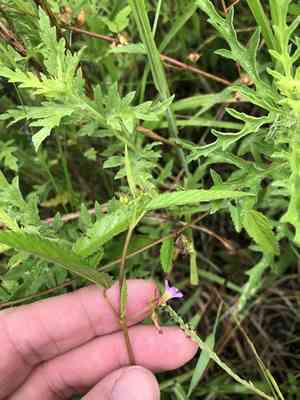
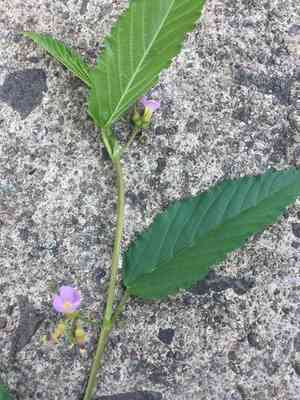
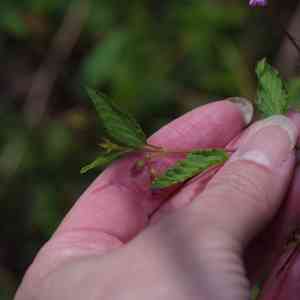
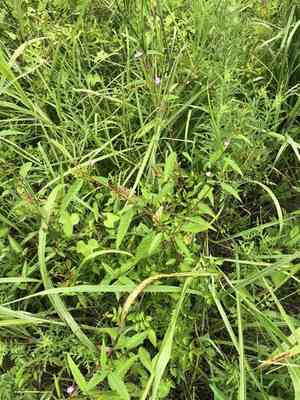
Quickly Identify Pyramid flower
1
To identify Melochia pyramidata, look for its distinctive pyramid-like clusters of small pink to purple flowers, broad serrated leaves, and a generally bushy growth form. It typically grows in sunny areas and disturbed sites.
Scientific Classification of Pyramid flower
Phylum
Vascular plants
Class
Dicotyledons
Order
Malvales
Family
Mallow
Genus
Broom woods
Species
Pyramid flower
Planting and Growing of Pyramid flower
Care Difficulty
Easy
Watering Schedule
Every 2 days
Sunlight Requirements
Full sun
Sunshine Duration
6-10 hours
Ideal Temperature
68-77℉
Soil Type
Potting Mix, Peat Mix
Soil pH
6.5-7.5
Fertilizer Type
Balanced
Pruning Season
Spring, Summer
Pruning Area
Branches, Leaves
Pruning Frequency
2 times a year
Repotting Season
Spring
Pot Type
Plastic, Ceramic
 How to Water Pyramid flower?
For Melochia pyramidata, it is crucial to ensure that the soil remains moist but not waterlogged. This means watering it with approximately 500 milliliters of water per session. The goal is for the water to deeply reach the roots, without causing the soil to become overly saturated, which can lead to root rot.
What are the symptoms of an underwatered Pyramid flower?
›
What should I do if my Pyramid flower is not getting enough water?
›
What are the symptoms of an overwatered Pyramid flower?
›
How to save an overwatered Pyramid flower?
›
 What Are the Sunlight Requirements for Pyramid flower?
Ideal light conditions for Melochia pyramidata include full to partial sun, promoting lush foliage and robust growth due to abundant photosynthesis facilitated by sufficient light exposure.
How much sunlight does it need?
›
What solutions exist for optimal lighting?
›
What are the benefits of optimal light exposure?
›
 What Is the Ideal Temperature Range for Pyramid flower?
The ideal temperature range for Melochia pyramidata is between 68°F and 77°F. This range provides the most favorable conditions for metabolic processes and growth. Optimal temperatures ensure efficient photosynthesis and nutrient uptake, resulting in healthy development.
 What Soil is Best for Pyramid flower?
Melochia pyramidata thrives in soil that offers excellent drainage. This prevents waterlogging, ensuring roots remain healthy and oxygenated, promoting strong growth and preventing root rot. This plant benefits from soil abundant in organic matter, providing essential nutrients needed for its robust growth and vibrant leaf production. While it prefers well-drained soil, Melochia pyramidata also enjoys moderate moisture retention, which sustains it during dry spells, ensuring consistent growth and flowering.
 How to Fertilize Pyramid flower?
For Melochia pyramidata, it is advisable to apply fertilizers in moderate amounts to avoid nutrient burn. Liquid fertilizers can be used at a dilution of 1/4 strength of the recommended dose. When using slow-release fertilizers, a balanced NPK formula is recommended, with an amount tailored to the plant's size and maturity.
 How to Prune Pyramid flower?
Before starting, study Melochia pyramidata’s growth pattern. Identify main stems and weaker branches that require trimming to foster stronger growth. Begin by removing any dead, diseased, or damaged branches, before shaping. Aim for a balanced shape, which is not only aesthetic but also allows even light distribution. After pruning, water the plant thoroughly to reduce shock. Apply a mild fertilizer to support recovery and encourage new growth.
More About Pruning Techniques→
 How to Propagate Pyramid flower plant?
1
Choose healthy seeds or semi-ripe cuttings from a mature and disease-free Melochia pyramidata plant. Seeds should be fresh, while cuttings should be taken from healthy stems of the plant.
2
For seed propagation, fill seed trays with a well-draining seed-starting mix. For cutting propagation, prepare pots with a mix of sand and perlite or a similar well-draining medium to encourage healthy root development.
3
Sow seeds on the surface of the seed-starting mix and lightly cover them. For cuttings, remove the lower leaves and insert them into the prepared medium. Water lightly to moisten the growing medium.
 How to Repot Pyramid flower plant?
1
Melochia pyramidata should be repotted when you notice roots growing out of the drainage holes or the plant is growing slower than usual. Another sign is when water drains through the pot much faster, suggesting that the soil has become compacted. Typically, repotting should occur every 2-3 years for optimal growth.
2
Select a pot that is just one size larger than the current one, with adequate drainage holes. A terracotta pot is an excellent choice as it allows excess moisture to evaporate, preventing root rot. The right pot size ensures proper root expansion while maintaining moisture balance.
3
A well-draining sandy mix is perfect for Melochia pyramidata. This type of soil ensures that water doesn’t linger, preventing root rot. It also provides adequate space for root aeration, essential for healthy plant growth.
Learn More About Pyramid flower Diseases
Anthracnose
Bacterial Leaf Spot
Bacterial Wilt
Crown Gall
Cyst Nematode
Damping-off
Downy Mildew
Drought Stress
Fusarium Wilt
Gray Mold
Leaf Curl
Leaf Spot
Mosaic
Nutrient Deficiency
Nutrient Toxicity
Powdery Mildew
Root Rot
Root-knot Nematode
Rusts
Sooty Mold
Spider Mites
Temperature Stress
Thrips Damage
White Mold



