How to Prune Tree-of-life?
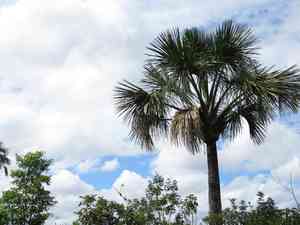
The tree-of-life, a tropical palm, is recognized by its impressive height and expansive foliage. Trimming entails the removal of withered or discolored leaves and depleted fruit groupings, preferably in late winter or early spring when the plant's development is minimal, thereby lessening strain on the specimen. Utilizing sanitized, keen implements is crucial to avert harm. Consistent trimming improves light access and air movement, fostering more robust development and lowering the likelihood of illness. Specialized knowledge is necessary for pruning elevated examples to prevent mishaps.
What Are the Benefits of Pruning Tree-of-life?
What Are the Benefits of Pruning Tree-of-life?
Trimming tree-of-life promotes robust development and helps maintain its desired form. Regular removal of dead or overgrown branches fosters healthier foliage and structural integrity, vital for tree-of-life's longevity and visual appeal.
What Is the Best Time for Pruning Tree-of-life?
What Is the Best Time for Pruning Tree-of-life?
Pruning tree-of-life in late winter or early spring is optimal because this timing avoids peak growth periods, ensuring the plant isn't actively producing new shoots. During these seasons, the plant is typically inactive, meaning less stress is placed on tree-of-life when cuts are made. This allows tree-of-life to recover and direct energy towards new growth as temperatures rise. Additionally, removing dead or damaged fronds before the growing season can enhance the plant's overall health and vigor. Pruning before the rainy season is also strategic, as tree-of-life often grows in tropical regions where heavy rains could lead to rapid post-pruning growth. Timing the pruning before flowering and fruiting periods ensures the plant's reproductive potential is not hindered.
What Tools Do I Need to Prune Tree-of-life?
Long-reach Pruner
Given tree-of-life's height, a long-reach pruner is essential for safely trimming fronds without needing to climb.
Pruning Saw
Considering tree-of-life's large, tough fronds, a pruning saw is suitable for cutting through the thicker, woody parts of the fronds.
Pole Saw
For higher branches out of reach even with a long-reach pruner, a pole saw can be extended to prune without using a ladder.
Loppers
Ideal for cutting fronds and thinner branches within reach. Loppers offer more leverage than pruners, useful for slightly thicker, fibrous material.
Chainsaw
For removing mature, thick branches or trimming the trunk, a chainsaw might be necessary due to tree-of-life's robustness.
Safety Gear (Gloves and Eye Protection)
Safety gear is crucial to protect against sharp fronds and falling debris while pruning tree-of-life.
Rope or Harness
If climbing is required to reach higher parts of tree-of-life, professional-grade safety ropes and harnesses should be utilized.
How to Prune Tree-of-life
Clean tools
Before beginning the pruning process, thoroughly clean and sanitize all pruning tools to prevent disease spread and damage to tree-of-life.
Inspect tree
Closely examine tree-of-life to identify diseased and withered leaves. Look for signs of discoloration, spots, or decay, indicating these leaves should be removed.
Prune diseased leaves
Carefully remove diseased leaves from tree-of-life using sharp, clean shears. Cut each leaf at its base where it meets the stem, ensuring not to harm adjacent healthy tissue.
Prune withered leaves
Trim any withered leaves from tree-of-life, following the same method used for diseased leaves, to encourage healthy growth and maintain an appealing appearance.
Dispose of waste
Properly dispose of all removed material far from tree-of-life to prevent potential disease spread or pest reinfestation. Consider composting healthy plant material if disease is not a concern.
Common Pruning Mistakes with Tree-of-life
Over-pruning
Cutting back too much of tree-of-life's fronds can stress the plant and hinder its growth. Pruning over 30% of the foliage at once is usually excessive.
Improper tool use
Using dull or unclean tools can cause unnecessary damage to tree-of-life's fronds, leading to frayed edges and increasing disease risk.
Pruning healthy fronds
Removing healthy, green fronds can deprive tree-of-life of vital nutrients needed for growth. Focus only on dead or dying fronds.
Ignoring frond order
Starting with the wrong fronds, such as cutting new growth instead of the lowest older fronds, can negatively impact tree-of-life's growth and form.
Excessive slicing
Making too many cuts or slicing the trunk could harm tree-of-life, leaving wounds that may not heal properly and invite pests or disease.
Flush cutting
Cutting fronds flush against the trunk can remove the protective branch collar, increasing the risk of decay.
Common Pruning Tips for Tree-of-life
Sharp tools
Ensure tools are sharp and clean before pruning tree-of-life to make precise cuts that will heal quickly, reducing plant stress.
Dead fronds removal
Focus on removing dead or brown fronds, which typically hang downward, as they no longer contribute to tree-of-life's growth and can be unsightly.
Cutting angle
Cut fronds at an angle, leaving a slight stub to protect the trunk and encourage proper healing.
Safe practices
Use a stable ladder and wear protective gear when pruning tree-of-life, as the palm's height and structure may pose safety risks.
Monitoring
After pruning, monitor tree-of-life for signs of stress or disease, and ensure it has adequate water and nutrients to recover from the pruning process.
Sequential pruning
Prune the oldest fronds first, working your way up to ensure you are only removing what's necessary and preserving tree-of-life's health.



