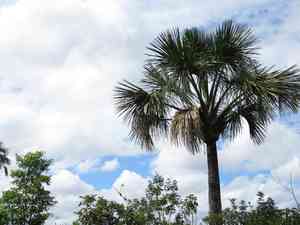
Tree-of-life (Mauritia flexuosa)
Also known as: Aguaje, Moriche Palm
The Moriche palm (Mauritia flexuosa), often termed the "Tree-of-life," is invaluable to the indigenous communities between the Orinoco and Amazonas. This versatile plant provides essential resources for food, clothing, and shelter. The leaves are woven into items such as baskets and roofing materials, while the trunks are employed in building structures and extracting sago for nourishment.
In This Article
Attributes of Tree-of-life
Lifespan
Perennial
Plant Type
Tree
Plant Height
35 m
Spread
3 to 5 meters
Leaf Color
Green
Flower Size
1 cm to 2 cm
Flower Color
Yellow
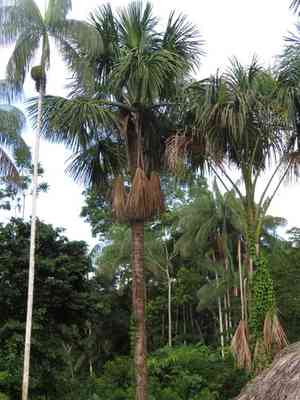
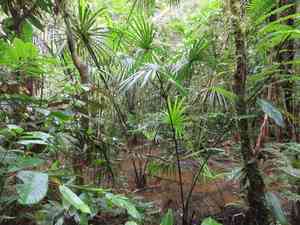
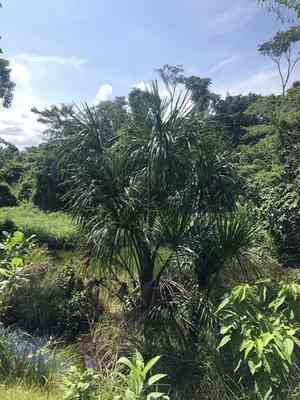
Images of Tree-of-life
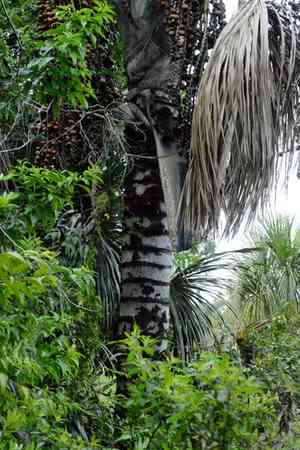
Quickly Identify Tree-of-life
1
Identifying Mauritia flexuosa involves looking for its distinctive trunk, which can reach significant heights and is often surrounded by water. The leaves are large, fan-shaped, and the tree bears bright orange to red fruits.
Scientific Classification of Tree-of-life
Phylum
Vascular plants
Class
Monocotyledons
Order
Arecales
Family
Palm
Genus
Mauritia
Species
Tree-of-life
Planting and Growing of Tree-of-life
Care Difficulty
Hard
Watering Schedule
Every 2 days
Sunlight Requirements
Full sun
Sunshine Duration
6-10 hours
Ideal Temperature
77-86℉
Soil Type
Potting Mix
Soil pH
4.5-6
Fertilizer Type
Balanced
Pruning Season
Spring, Summer
Pruning Area
Branches, Leaves
Pruning Frequency
2 times a year
Repotting Season
Spring
Pot Type
Plastic, Ceramic
 How to Water Tree-of-life?
Mauritia flexuosa prefers to be watered thoroughly. Water to a depth that allows the soil to be moist but not waterlogged, aiming for about 500 ml each time. This ensures that the water reaches deeper roots, providing essential hydration without causing root rot.
What are the symptoms of an underwatered Tree-of-life?
›
What should I do if my Tree-of-life is not getting enough water?
›
What are the symptoms of an overwatered Tree-of-life?
›
How to save an overwatered Tree-of-life?
›
 What Are the Sunlight Requirements for Tree-of-life?
Partial to full sun exposure is crucial for Mauritia flexuosa. This range ensures the plant receives sufficient light for photosynthesis, promoting lush foliage and vigorous growth with enhanced resilience.
More About Sunlight Requirements Techniques→
Best Location for Growth
›
Solution for Limited Sunlight
›
Effect of Ideal Lighting
›
 What Is the Ideal Temperature Range for Tree-of-life?
The ideal temperature range for Mauritia flexuosa is crucial for its growth. Temperatures between 77°F and 86°F provide the best conditions for photosynthesis and nutrient uptake. Maintaining this range ensures healthy plant development.
 What Soil is Best for Tree-of-life?
Mauritia flexuosa thrives in soils that have excellent moisture retention due to its native habitat in swampy areas. The high water content helps simulate its natural environment, enabling robust growth and optimal fruit production. Rich in organic matter, these soils support the high nutrient demands of Mauritia flexuosa, fostering healthy foliage and fruit development while boosting the plant's overall vigor. While moisture is key, good drainage prevents root rot. Loamy and sandy soils promote this balance, allowing excess water to drain away while retaining enough moisture to avert desiccation.
 How to Fertilize Tree-of-life?
When fertilizing Mauritia flexuosa, use a balanced general-purpose fertilizer at half the recommended strength to avoid over-fertilization. For liquid fertilizers, dilute the solution in water and apply approximately 10 ml per liter of water per plant monthly. It is important to closely monitor the plant’s response to adjust the quantity if necessary.
 How to Prune Tree-of-life?
Use sharp, clean pruning shears or saws to cut off the leaves. Ensure your tools are sanitized to prevent the spread of pathogens. Begin by removing any discolored or dead fronds close to the trunk, making clean cuts at the base. Avoid cutting the crown where new leaves emerge. Collect all pruned material and dispose of it properly. This prevents potential breeding grounds for pests and keeps the area tidy.
More About Pruning Techniques→
 How to Propagate Tree-of-life plant?
1
Collect seeds from mature Mauritia flexuosa fruits. Ensure the fruits are ripe as they will have viable seeds for propagation.
2
Carefully extract the embryo from the seeds using a sterile knife. The embryos must immediately be planted to ensure successful germination.
3
Place the embryos in a seedling tray filled with a moist, well-draining substrate. Maintain a humid and warm environment to encourage germination.
 How to Repot Tree-of-life plant?
1
Notice when Mauritia flexuosa shows signs of becoming root-bound, such as roots protruding from the pot's drainage holes or a noticeable slowdown in growth. These signals indicate it's time to give the plant more space and fresh soil to flourish in its full glory.
2
Opt for a pot that's about 2-3 inches larger in diameter than the current one. This gives the roots ample space to grow without overwhelming the plant. Ensure the pot has adequate drainage holes to prevent waterlogging, which can lead to root rot.
3
Select a soil mix that's rich in organic matter and provides good drainage, like a mix with peat, perlite, and coarse sand. Such a blend mimics the natural habitat, ensuring well-aerated conditions which are crucial for root health.



