How to Prune Cliff desert dandelion?
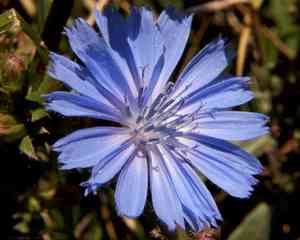
A hardy perennial originating from stony habitats, cliff desert dandelion thrives with little upkeep. To foster vigorous development and flowering, trim away faded blooms. The perfect times for pruning cliff desert dandelion are in spring and summer, after flowering, to encourage a neat shape and deter unwanted self-propagation. Consistent removal of withered flowers will encourage fresh blossoms. This care regimen not only strengthens the plant's health and visual charm but also improves its capacity to flourish in dry climates.
What Are the Benefits of Pruning Cliff Desert Dandelion?
What Are the Benefits of Pruning Cliff Desert Dandelion?
Trimming cliff desert dandelion promotes robust development and maintains its desired form. It ensures energy is channeled into developing strong stems and leaves, while also enabling gardeners to manage cliff desert dandelion's overall structure for visual appeal.
What Is the Best Time for Pruning Cliff Desert Dandelion?
What Is the Best Time for Pruning Cliff Desert Dandelion?
Pruning cliff desert dandelion in the Spring coincides with the period after dormancy, when the plant begins to show new growth, making it an ideal time to shape the plant and stimulate vigorous development. This timing allows the plant to mend and recover quickly from pruning before the peak growth season. Summer pruning, especially after blooming, is optimal for cliff desert dandelion to remove faded flowers, prevent seed formation which can divert energy from the plant, and to maintain a desired size or shape, as well as to decrease the likelihood of pests and diseases that can thrive on decaying plant matter. It is crucial to avoid extensive pruning in the fall or winter, as this can disrupt the dormancy cycle and potentially harm cliff desert dandelion before the cold weather arrives.
What Tools Do I Need to Prune Cliff Desert Dandelion?
Hand Pruners
Perfect for making precise cuts on cliff desert dandelion's thinner stems and removing spent blossoms, hand pruners, specifically bypass pruners, are the top choice. They create a clean cut that will heal quickly without harming the stem.
Gardening Gloves
This is not a cutting implement but is vital for protecting your hands while pruning cliff desert dandelion. Since this plant typically lacks thorns or sharp foliage, a light to medium-duty garden glove should suffice.
Pruning Shears
For accurate thinning of cliff desert dandelion's dense growth, a good pair of sharp pruning shears allows for more delicate work. This simplifies managing the plant's shape and removing unwanted buds and foliage.
Garden Scissors
These tools are useful for trimming small, delicate parts of cliff desert dandelion that are too tiny for standard pruners. They offer precision in shaping and thinning the foliage.
How to Prune Cliff Desert Dandelion
Clean tools
Before beginning, sanitize all pruning tools to prevent the spread of diseases to cliff desert dandelion. Use a solution of 1 part bleach to 9 parts water to sterilize the scissors or shears.
Remove diseased leaves
Carefully inspect cliff desert dandelion for any signs of illness such as discolored spots or decay. Using your sterilized scissors, snip off the diseased leaves at their base without tearing the plant's tissue.
Trim withered leaves
Identify withered or dead leaves on cliff desert dandelion which typically appear dry and brown. Trim these leaves at the base where they meet the stem to promote healthy growth and airflow through the plant.
Prune diseased stems
Check for stems on cliff desert dandelion that show signs of disease, like unusual swelling or coloration. Cut back the diseased stems to a healthy part of the plant. Make the cut just above a leaf node or branching point to encourage new growth.
Cleanup
Dispose of all removed plant material away from the garden to prevent the spread of any disease. Clean the work area and re-sterilize your tools to finish the pruning process for cliff desert dandelion.
Common Pruning Mistakes with Cliff Desert Dandelion
Over-pruning
Removing too much foliage from cliff desert dandelion at once can stress the plant and lead to a decrease in its vitality and flowering potential.
Blunt tools
Using dull or unclean pruning tools can cause ragged cuts that are more vulnerable to disease and may hinder the plant's natural healing process.
Ignoring Deadheads
Neglecting to remove spent flowers can prevent cliff desert dandelion from producing new blooms as it may direct energy to seed production instead of new growth.
Pruning for Shape
Attempting to shape cliff desert dandelion through pruning is a common error as it's a plant that naturally forms a mound and doesn't require shaping to maintain its health or appearance.
Common Pruning Tips for Cliff Desert Dandelion
Selective Thinning
Cliff desert dandelion benefits from selective thinning of older stems to encourage light penetration and air circulation within the plant, promoting healthier growth.
Clean Cuts
Make clean, angled cuts on cliff desert dandelion using sharp, sanitized pruning tools to minimize damage and reduce the risk of disease.
Deadheading
Regularly remove spent blooms to encourage cliff desert dandelion to continue producing flowers throughout its growing season.
Minimal Pruning
Cliff desert dandelion typically requires minimal pruning; focus on removing dead or damaged stems and spent flower heads to maintain plant health without the risk of over-pruning.



