How to Prune Baja desert-thorn?
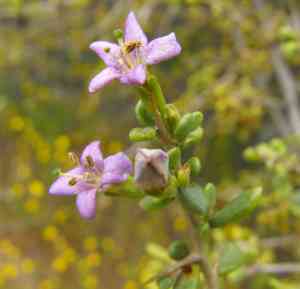
The Baja desert-thorn is a resilient, arid-adapted shrub distinguished by its spiny stems and diminutive, tubular blossoms. The most effective time for trimming is from late winter to early spring, which stimulates vigorous development and bloom production. Eliminate any lifeless or frail branches to enhance air movement and sculpt the plant's form. Refrain from extensive cutting during the flowering period to preserve its ornamental charm. Consistent removal of aged wood fosters fresh growth and a more robust framework. Appropriate pruning boosts the plant's general vitality and visual attractiveness.
What Are the Benefits of Pruning Baja Desert-thorn?
What Are the Benefits of Pruning Baja Desert-thorn?
Baja desert-thorn benefits from pruning by encouraging robust development and maintaining its form. Regular trimming aids in healthy growth, boosts resistance to pests and illnesses, and improves its overall look, allowing the plant to flourish in its native environment.
What Is the Best Time for Pruning Baja Desert-thorn?
What Is the Best Time for Pruning Baja Desert-thorn?
Trimming baja desert-thorn during late winter or early spring ensures the plant remains dormant, minimizing stress and allowing for rapid recovery. This timing also prevents interference with blooming or fruiting cycles, fostering healthier growth and more abundant flowers or fruits. By pruning before new growth emerges, gardeners can better shape the plant and encourage a strong structure, leading to a more attractive and vigorous plant throughout the growing season.
What Tools Do I Need to Prune Baja Desert-thorn?
Bypass Pruners
Perfect for making precise cuts on living wood, crucial for maintaining the health of baja desert-thorn's branches.
Lopping Shears
Useful for cutting thicker branches that are too large for bypass pruners but still require a clean cut.
Pruning Saw
Essential for removing larger, woody stems and branches, ensuring smooth cuts on mature parts of baja desert-thorn.
Gloves
Important for protecting hands from thorns and rough branches during pruning of baja desert-thorn.
Sanitizing Solution
Crucial for cleaning tools between cuts to prevent the spread of diseases within baja desert-thorn.
How to Prune Baja Desert-thorn
Assessment
Examine baja desert-thorn to locate diseased and withered leaves. This will help determine the extent of necessary pruning.
Tools
Gather sanitized pruning shears. Disinfect tools with a solution of one part bleach to nine parts water to prevent disease transmission.
Removal
Carefully cut away diseased leaves first, ensuring clean cuts just below the affected area. Properly dispose of removed leaves to prevent reinfection.
Withered Leaves
Trim withered leaves, cutting just above a healthy node or branch junction. This promotes new growth and maintains overall plant health.
Review
After pruning, inspect baja desert-thorn for any missed diseased or withered leaves, and make additional cuts as needed. Continue monitoring the plant for signs of disease or stress.
Common Pruning Mistakes with Baja Desert-thorn
Improper Technique
Using dull or unsuitable tools can cause jagged cuts that invite disease and pests. Additionally, cutting too close to the main stem can damage vital tissues.
Over-Pruning
Removing too much foliage at once can stress baja desert-thorn and hinder its ability to photosynthesize, potentially stunting growth.
Ignoring Dead or Diseased Wood
Failing to remove dead or diseased branches can lead to the spread of infections and compromise the plant's overall health.
Incorrect Branch Selection
Cutting healthy, vigorous branches instead of thinning out older, weaker ones can reduce flowering and fruiting potential.
Common Pruning Tips for Baja Desert-thorn
Use Sharp Tools
Ensure your pruning shears are sharp to make clean cuts that heal quickly. Disinfect tools before use to prevent disease transmission.
Cut at The Right Angle
Make cuts at a 45-degree angle, just above a bud or lateral branch to promote proper healing and new growth.
Prioritize Dead and Diseased Wood
Always start by removing any dead, damaged, or diseased branches to improve overall plant health.
Thin Out Crowded Areas
Enhance air circulation and light penetration by removing excess branches from crowded areas, particularly near the plant's center.
Selective Pruning
Focus on removing older wood to stimulate new growth and increase flowering. Target branches that cross or rub against each other.



