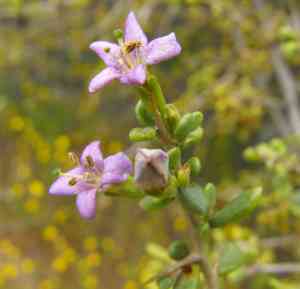
Baja desert-thorn (Lycium brevipes)
Also known as: Catalina desert-thorn
The Baja desert-thorn is a spiny, perennial shrub that thrives in arid environments. It features small, narrow leaves designed to minimize water loss. The plant produces striking tubular flowers and red-orange berries, which contrast with its thorny appearance. While it can tolerate poor soil conditions, it particularly flourishes in well-drained sandy soils, making it highly adaptable to minimal moisture.
In This Article
Attributes of Baja desert-thorn
Lifespan
Perennial
Plant Height
1-2 meters (3-7 feet)
Spread
0.5-1.5 meters (1.5-5 feet)
Leaf Color
Green
Flower Size
0.5-1 cm
Flower Color
White to lavender
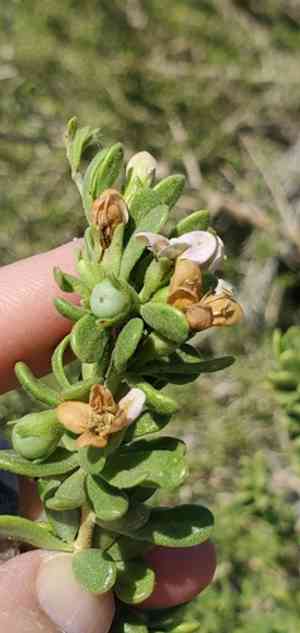
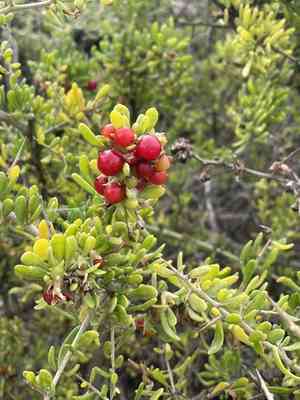
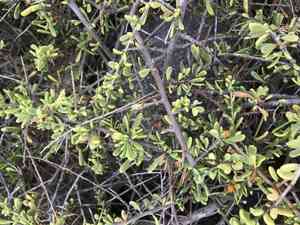
Images of Baja desert-thorn
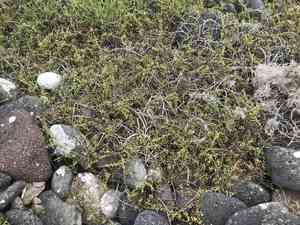
Quickly Identify Baja desert-thorn
1
Lycium brevipes can be identified by its small, ovate leaves, spiny branches, and white to lavender flowers. The plant produces small, red to orange berries.
Scientific Classification of Baja desert-thorn
Phylum
Vascular plants
Class
Dicotyledons
Order
Solanales
Family
Nightshade
Genus
Box-thorns
Species
Baja desert-thorn
Planting and Growing of Baja desert-thorn
Care Difficulty
Moderate
Watering Schedule
Every 2 days
Sunlight Requirements
Full sun
Sunshine Duration
6-10 hours
Ideal Temperature
65-80℉
Soil Type
Potting Mix, Peat Mix
Soil pH
6.5-7.5
Fertilizer Type
Balanced
Pruning Season
Spring, Summer
Pruning Area
Branches, Leaves
Pruning Frequency
2 times a year
Repotting Season
Spring
Pot Type
Plastic, Ceramic
 How to Water Baja desert-thorn?
For Lycium brevipes, watering should be thorough, allowing the soil to absorb moisture evenly. Water until 500 ml thoroughly saturates the root zone, ensuring the soil is moist but not waterlogged. Follow the principle of deep but infrequent watering to encourage root growth.
What are the symptoms of an underwatered Baja desert-thorn?
›
What should I do if my Baja desert-thorn is not getting enough water?
›
What are the symptoms of an overwatered Baja desert-thorn?
›
How to save an overwatered Baja desert-thorn?
›
 What Are the Sunlight Requirements for Baja desert-thorn?
Lycium brevipes thrives under full to partial sun conditions. These ensure efficient photosynthesis and development, resulting in sturdy growth, vibrant foliage, and bountiful berry yield essential for its ecological role.
What is the ideal lighting setup for Lycium brevipes?
›
How can I achieve these ideal lighting conditions?
›
What benefits will Lycium brevipes gain from ideal lighting?
›
 What Is the Ideal Temperature Range for Baja desert-thorn?
For optimal growth, Lycium brevipes thrives in temperatures between 65 and 80 degrees Fahrenheit. This range allows for proper photosynthesis and nutrient uptake, supporting healthy foliage and fruit development. Maintaining this temperature range ensures that the plant's metabolic processes function efficiently, reducing stress and promoting vigorous growth.
 What Soil is Best for Baja desert-thorn?
Lycium brevipes thrives in soils that drain well. This prevents root rot and allows for healthy plant growth, offering a robust and productive plant. The plant prefers a soil rich in organic matter, which supports strong root development and promotes vigorous foliage growth, resulting in a dense, lush plant. While drought-tolerant, this plant benefits from moderate soil moisture levels to sustain growth during dry spells without the risk of oversaturation.
 How to Fertilize Baja desert-thorn?
For Lycium brevipes, it's essential to use a balanced fertilizer with a nutrient ratio such as 10-10-10. When using a liquid fertilizer, dilute it to half-strength to prevent over-fertilization. About 100 ml per plant for each application should suffice. For granular slow-release fertilizers, scatter about 50 grams around the base, avoiding direct contact with the stem. Ensuring proper distribution helps to cover the root zone effectively.
 How to Prune Baja desert-thorn?
Identify and remove any dead, diseased, or damaged branches first. This step helps improve the plant's overall health by preventing the spread of disease and pests. Thinning out congested areas in the canopy improves air circulation and light penetration. Focus on removing crossing branches and any growth pointing inward to maintain an open structure. To maintain an attractive shape, selectively shorten long branches, paying attention to the plant's natural form. Prune to buds facing outward for a more open and pleasing appearance.
More About Pruning Techniques→
 How to Propagate Baja desert-thorn plant?
1
It's crucial to soak the seeds in water overnight to break dormancy, which helps improve germination rates and reduces the time needed for seedlings to appear.
2
Use pruning shears to take healthy cuttings from the plant. Ensure each cutting is about 4-6 inches long with a few leaves already present to encourage growth.
3
Plant seeds in seed trays filled with moist, well-draining soil. For cuttings, dip the ends in rooting hormone before placing them in a potting mixture to enhance root development.
 How to Repot Baja desert-thorn plant?
1
It is time to repot Lycium brevipes when you notice its roots poking out from drainage holes or rising above the soil's surface. Additionally, if the plant shows signs of stunted growth or soil compactness, it indicates a need for fresh soil and more room to grow.
2
Select a pot that is 2-3 inches larger in diameter than the current one to give Lycium brevipes ample room for root expansion. Opting for a pot with drainage holes prevents waterlogging and root rot, ensuring healthy growth.
3
A well-draining soil mix, rich in organic matter, is ideal for Lycium brevipes. This ensures proper aeration and prevents water retention, mimicking its natural arid habitat and promoting robust growth.
Learn More About Baja desert-thorn Diseases
Anthracnose
Bacterial Leaf Spot
Bacterial Wilt
Crown Gall
Cyst Nematode
Damping-off
Downy Mildew
Drought Stress
Fusarium Wilt
Gray Mold
Leaf Curl
Leaf Spot
Mosaic
Nutrient Deficiency
Nutrient Toxicity
Powdery Mildew
Root Rot
Root-knot Nematode
Rusts
Sooty Mold
Spider Mites
Temperature Stress
Thrips Damage
White Mold
Chemical Injury



