How to Prune Spider lupine?
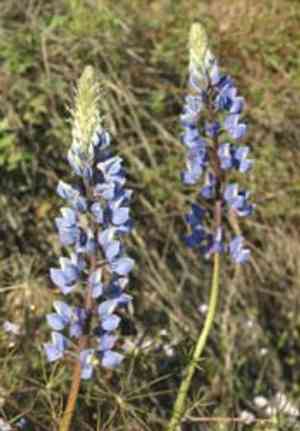
Lupinus arachnoideus, recognized for its vivid blue-violet blossoms and dense form, flourishes with appropriate trimming. Essential methods involve severing aged stalks and faded blooms to stimulate fresh development. The most suitable periods are from late winter to early spring, prior to the emergence of new shoots. Trimming fosters more robust flowering and deters elongated stems. Always employ disinfected implements to avert illness. This revitalizes the specimen, boosting its general hardiness and floral output, ideal for any horticulture devotee.
What Are the Benefits of Pruning Spider Lupine?
What Are the Benefits of Pruning Spider Lupine?
Pruning spider lupine promotes vigorous growth and maintains its form, enhancing air circulation, reducing pest and disease problems, and encouraging more abundant blooms. Trim after flowering to stimulate new growth and maintain plant health.
What Is the Best Time for Pruning Spider Lupine?
What Is the Best Time for Pruning Spider Lupine?
Pruning spider lupine in early spring or late winter is ideal as it coincides with the plant's dormant period or the very beginning of its growth cycle. Pruning during dormancy minimizes plant stress and prevents disease. Additionally, these seasons improve air circulation and light penetration, fostering healthy new growth and strong spring blooms. This timing also helps shape and manage the plant before the active growing season, ensuring better overall plant health and a more attractive appearance.
What Tools Do I Need to Prune Spider Lupine?
Bypass Pruners
Perfect for precise cuts on tender, green stems and smaller branches. These minimize damage to delicate plant tissue.
Anvil Pruners
Useful for cutting thicker or dead stems. They offer more power but less precision, making them suitable for tougher pruning tasks.
Pruning Shears
Essential for general maintenance, removing spent flowers, and shaping the plant. They are versatile and easy to use.
Lopping Shears
Beneficial for cutting larger stems or when greater leverage is required. Their long handles facilitate reaching inner branches.
Pruning Saw
Important for cutting through thicker, woody stems that pruners cannot handle. Essential for occasional heavy trimming.
How to Prune Spider Lupine
Inspect
Examine the plant thoroughly to identify any diseased or withered leaves. This ensures you focus on the most critical areas that require pruning.
Tool preparation
Sanitize your pruning shears or scissors with rubbing alcohol or a bleach solution to prevent spreading any diseases to healthy parts of the plant.
Remove diseased leaves
Trim any diseased leaves first by cutting them at the base where they attach to the stem, ensuring you completely remove the infected portion to prevent the disease from spreading.
Remove withered leaves
Cut off any withered leaves, making sure to trim them as close to the base as possible without damaging the main stem or healthy parts of spider lupine.
Dispose properly
Dispose of the pruned diseased and withered leaves by placing them in a sealed bag and discarding them in the trash, rather than composting, to prevent potential disease spread.
Common Pruning Mistakes with Spider Lupine
Improper Technique
Using dull or dirty pruning tools can cause unnecessary damage to spider lupine, leading to potential infections and poor healing.
Over-pruning
Removing too much foliage at once can stress spider lupine, hindering its ability to photosynthesize and recover.
Incorrect Timing
Pruning at the wrong time can disrupt spider lupine's growth cycle, potentially reducing flowering and overall health.
Leaving Stubs
Not cutting back to a node or bud can leave unsightly stubs, which can become entry points for pests and diseases.
Ignoring Dead or Diseased Parts
Failing to remove dead, diseased, or damaged parts promptly can spread issues throughout spider lupine.
Common Pruning Tips for Spider Lupine
Sharp and Clean Tools
Always use sharp and sterilized pruning tools to make clean cuts and minimize the risk of infection.
Moderation
Practice moderate pruning, removing no more than one-third of the plant's volume at a time to avoid undue stress.
Focus on Dead and Diseased Parts
Prioritize removing dead, diseased, or damaged foliage to prevent the spread of pathogens and promote healthy growth.
Cut Back to Nodes
Make cuts just above a node or bud to encourage new growth and avoid leaving stubs that could become infected.
Distribute Cuts Evenly
Distribute your cuts evenly across spider lupine to maintain a balanced shape and ensure even light distribution throughout the plant.


