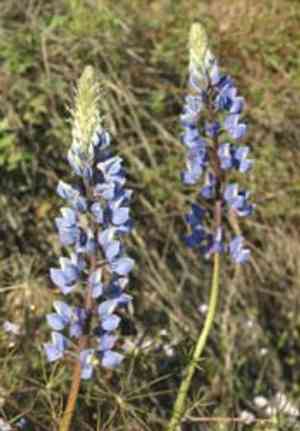
Spider lupine (Lupinus benthamii)
Also known as: Bentham's lupine, Spider lupine
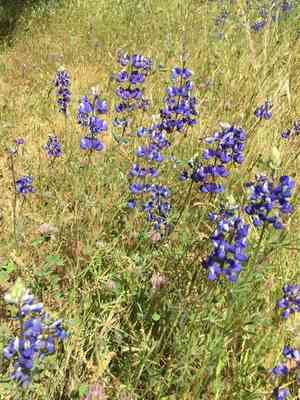
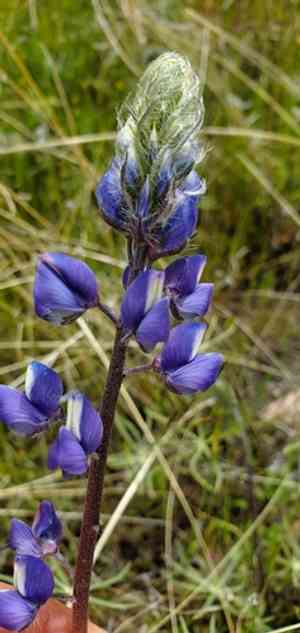
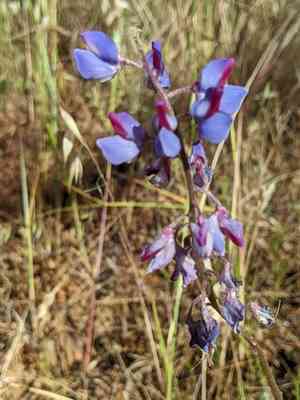
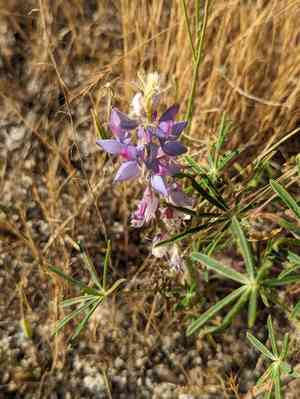
Spider lupine (Lupinus benthamii) is a perennial plant notable for its tall clusters of blue to purple flowers. Its palmate leaves enhance its decorative charm, making it a standout in its native California landscapes. As a member of the legume family, spider lupine flourishes in sunny, well-drained environments and displays a clumping growth pattern. It is particularly well-suited to Mediterranean climates and is drought-tolerant once established.
In This Article
Attributes of Spider lupine
Lifespan
Perennial
Plant Type
Herb
Plant Height
0.3 to 0.6 meters
Spread
Approximately 0.3 meters
Leaf Color
Green
Flower Size
1 to 1.5 centimeters
Flower Color
Blue to Purple
Images of Spider lupine
Quickly Identify Spider lupine
1
Look for erect, hairy stems with palmate leaves composed of several narrow leaflets. The characteristic blue to purple pea-like flowers are arranged in dense, elongated clusters.
Scientific Classification of Spider lupine
Phylum
Vascular plants
Class
Dicotyledons
Order
Fabales
Family
Legume
Genus
Lupines
Species
Spider lupine
Planting and Growing of Spider lupine
Care Difficulty
Moderate
Watering Schedule
Every 4 days
Sunlight Requirements
Full sun
Sunshine Duration
4-8 hours
Ideal Temperature
60-75℉
Soil Type
Potting Mix, Peat Mix
Soil pH
6.5-7.5
Fertilizer Type
Balanced
Pruning Season
Spring, Summer
Pruning Area
Branches, Leaves
Pruning Frequency
2 times a year
Repotting Season
Spring
Pot Type
Terracotta, Plastic
 How to Water Spider lupine?
Lupinus benthamii, also known as Bentham's lupine, requires a moderate watering regime. The amount of water should be approximately 500 milliliters per session, sufficient to moisten the soil without creating waterlogged conditions. The key is to maintain soil moisture that supports the plant's growth but allows the surface to dry slightly between waterings.
What are the symptoms of an underwatered Spider lupine?
›
What should I do if my Spider lupine is not getting enough water?
›
What are the symptoms of an overwatered Spider lupine?
›
How to save an overwatered Spider lupine?
›
 What Are the Sunlight Requirements for Spider lupine?
Lupinus benthamii performs best under full sun to partial sun conditions, equating approximately to 5–8 hours of sunlight each day. This range allows the plant to synthesize ample energy for vigorous growth, strong stems, and prolific blooming.
What is the best lighting condition for Lupinus benthamii?
›
How can I achieve these ideal lighting conditions?
›
What benefits come from providing these ideal lighting conditions?
›
 What Is the Ideal Temperature Range for Spider lupine?
Lupinus benthamii thrives best in temperate climates where temperatures range from 60°F to 75°F. This range provides the ideal conditions to ensure healthy growth and vibrant blooms. By maintaining this temperature range, you ensure the plant's metabolic processes function optimally.
 What Soil is Best for Spider lupine?
Lupinus benthamii thrives in well-drained soils. Efficient drainage prevents root rot and promotes healthy growth, ensuring the plant receives adequate oxygen and nutrients to flourish. Providing a nutrient-rich soil is essential. High organic matter supports the plant's nitrogen fixation process, boosting growth and enhancing vibrant blooms. Maintaining a slightly acidic to neutral pH range of 6.5 to 7.5 ensures optimal nutrient uptake, preventing deficiencies and bolstering overall plant health.
 How to Fertilize Spider lupine?
For Lupinus benthamii, the recommended fertilizer amount is relatively conservative. If using liquid fertilizer, apply at half the concentration suggested on the product label. For slow-release fertilizers, scatter evenly around the base of the plant, ensuring not to exceed one tablespoon per plant to avoid nutrient overload.
 How to Prune Spider lupine?
Begin by deadheading, which involves snipping off spent flowers to prevent seed formation and extend the blooming period. Position your shears just above the first set of healthy leaves. After the main blooming season, trim back the stems by about one-third. This encourages a fuller shape and prepares the plant for the next growth cycle. Focus on maintaining a pleasing shape by cutting inward-growing branches and those that cross each other. This opens up the plant for better light and air circulation.
More About Pruning Techniques→
 How to Propagate Spider lupine plant?
1
Scarifying the seeds involves lightly sanding their coat to allow moisture to penetrate, improving germination rates. This step is vital for lupine seeds, which have a tough outer layer.
2
Sow the seeds in the prepared seed tray filled with potting mix, ensuring they are covered lightly with soil to help them remain moist and shield them from direct sunlight.
3
Maintain consistent moisture in the soil, but avoid overwatering. The seeds typically germinate in two weeks if kept warm, around 15-18°C, in a bright area without direct sun.
 How to Repot Spider lupine plant?
1
Lupinus benthamii requires repotting when roots begin to emerge from the drainage holes, the soil becomes compacted, or the plant growth appears stunted. Timing is crucial; choose a warm day in spring or summer when the plant is in active growth to minimize transplant shock.
2
Select a pot only one size larger than the current pot, preferably made of a breathable material like terracotta. This cautious size increase helps prevent waterlogging and encourages a robust root system by effectively allowing extra room for root expansion without sacrificing soil aeration.
3
Opt for a well-draining, sandy loam mixture. This type of soil aids in simulating the native growing conditions of Lupinus benthamii, thereby enhancing root oxygenation and preventing the risk of root rot by not retaining excess moisture.
Toxicity
Ingestion
WARNING
The judgment on toxicity and danger is for reference only. We DO NOT GUARANTEE any accuracy of such judgment. Therefore, you SHALL NOT rely on such judgment. It is IMPORTANT TO SEEK PROFESSIONAL ADVICE in advance when necessary.
Learn More About Spider lupine Diseases
Anthracnose
Bacterial Leaf Spot
Bacterial Wilt
Crown Gall
Cyst Nematode
Damping-off
Downy Mildew
Drought Stress
Fusarium Wilt
Gray Mold
Leaf Spot
Mosaic
Nutrient Deficiency
Nutrient Toxicity
Powdery Mildew
Root Rot
Root-knot Nematode
Rusts
Sooty Mold
Spider Mites
Temperature Stress
Thrips Damage
White Mold


