How to Prune Silvery lupine?
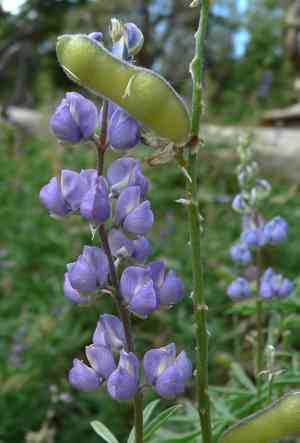
This botanical specimen, recognized for its silver-hued foliage and vivid blossoms, thrives with consistent trimming to preserve its form and foster robust development. Trim silvery lupine during the initial part of spring or the latter portion of winter, prior to the emergence of new shoots. Eliminate any deceased or compromised stalks and shorten excessively long branches to facilitate air movement. Trimming aids in preventing sparse, elongated growth and boosts bloom production. Utilize sanitized, keen implements to lessen the chance of illness and encourage swifter recovery.
Advantages of Trimming Silvery Lupine
Advantages of Trimming Silvery Lupine
Trimming silvery lupine promotes robust development and helps maintain its form, leading to a healthier plant overall. This practice can also boost flowering and decrease the likelihood of pests and illnesses, resulting in a more attractive and resilient plant.
Optimal Period for Trimming Silvery Lupine
Optimal Period for Trimming Silvery Lupine
Trimming silvery lupine in late winter or early spring is ideal as it coincides with the plant's inactive phase. During dormancy, the plant's metabolic processes slow, minimizing the risks of sap loss and stress. Furthermore, pruning before the new growth cycle allows the plant to mend and direct its energy towards vigorous new growth and abundant blooms. This timing also helps avoid disrupting silvery lupine's natural flowering and fruiting stages, fostering a more robust and hardy plant.
Necessary Tools for Trimming Silvery Lupine
Bypass pruners
Perfect for making clean cuts on stems and branches, minimizing harm and encouraging healthy regeneration.
Hand pruners
Useful for detailed trimming and deadheading, effectively removing spent blooms and encouraging further flowering.
Long-handled loppers
Crucial for reaching and cutting thicker stems that are out of easy reach, providing leverage and accuracy.
Pruning saw
Beneficial for addressing larger branches too thick for pruners or loppers, ensuring precise and controlled cuts.
Gloves
Protects hands from potential cuts, thorns, and irritation during pruning, ensuring safety and comfort.
How to Trim Silvery Lupine
Inspection
Examine silvery lupine for any diseased or withered foliage, noting their positions on the plant.
Tools preparation
Ensure your pruning shears are sharp and clean to prevent disease transmission and guarantee neat cuts.
Removal diseased leaves
Carefully snip off all diseased leaves, making sure to dispose of them properly to avoid contaminating the healthy parts of silvery lupine.
Removal withered leaves
Cut off all withered leaves at the point where they connect to the stem, encouraging new and healthy development.
Disinfection
After pruning, sanitize your tools with a solution of one part bleach to nine parts water to prevent the spread of pathogens during future use.
Common Trimming Errors with Silvery Lupine
Incorrect Tool Choice
Using dull or unsuitable tools can harm silvery lupine's stems and leaves, leading to stress and potential illness.
Excessive Trimming
Removing too much foliage can weaken the plant, reducing its capacity to photosynthesize and recover.
Poor Timing
Trimming at inappropriate times can disrupt silvery lupine's natural growth cycle, impacting its ability to bloom and flourish.
Improper Cuts
Making cuts too close to buds or leaving stubs can result in poor healing and increased vulnerability to pests and diseases.
General Trimming Advice for Silvery Lupine
Sharp Tools
Always use clean, sharp shears to make precise cuts and minimize the risk of infection.
Moderation is Key
Remove no more than one-third of the plant at a time to maintain vigor and encourage healthy regrowth.
Focused Removal
Prioritize removing dead, damaged, or diseased stems first to enhance overall plant health.
Strategic Cuts
Cut just above a leaf node or bud to promote proper healing and regrowth. Avoid leaving long stubs.



