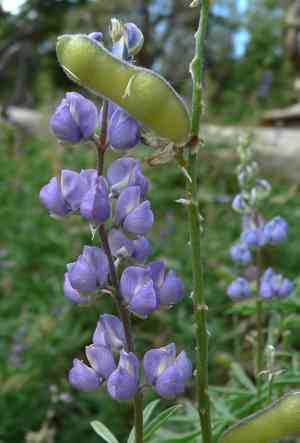
Silvery lupine (Lupinus argenteus)
Also known as: Mount rose lupine, Silver lupine, Tailcup lupine, Bluebonnet lupine
Silvery lupine, a perennial plant known for its silvery-green leaves and tall clusters of purple to blue flowers that bloom from late spring to summer, thrives in well-drained soils. It is typically found in open, sunny areas such as grasslands, meadows, and rocky slopes. This plant also plays a crucial role in its ecosystem by enriching the soil with nitrogen.
In This Article
Attributes of Silvery lupine
Lifespan
Perennial
Plant Type
Herb
Plant Height
10 cm to 1.5 m
Spread
30 cm
Leaf Color
Silvery green
Flower Size
0.5 to 1 inch (1 to 2.5 cm)
Flower Color
Blue to purple
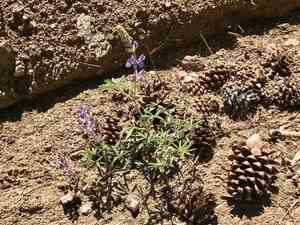
Images of Silvery lupine



Quickly Identify Silvery lupine
1
To identify Lupinus argenteus, look for its silvery-green leaves which are divided into 5-9 narrow leaflets. The plant usually has hairy stems and produces tall spikes of fragrant, pea-like flowers that can range in color from blue to purple. The flowers are densely packed and form a distinctive spire.
Scientific Classification of Silvery lupine
Phylum
Vascular plants
Class
Dicotyledons
Order
Fabales
Family
Legume
Genus
Lupines
Species
Silvery lupine
Planting and Growing of Silvery lupine
Care Difficulty
Easy
Watering Schedule
Every 2 days
Sunlight Requirements
Full sun
Sunshine Duration
4-6 hours
Ideal Temperature
60-75℉
Soil Type
Potting Mix, Peat Mix
Soil pH
6.5-7.5
Fertilizer Type
Balanced
Pruning Season
Spring, Summer
Pruning Area
Branches, Leaves
Pruning Frequency
2 times a year
Repotting Season
Spring
Pot Type
Plastic, Ceramic
 How to Water Silvery lupine?
For Lupinus argenteus, watering should be deeply conducted, allowing the soil to be soaked but ensuring excess water drains out. This ensures water reaches deep roots while preventing soggy conditions.
What are the symptoms of an underwatered Silvery lupine?
›
What should I do if my Silvery lupine is not getting enough water?
›
What are the symptoms of an overwatered Silvery lupine?
›
How to save an overwatered Silvery lupine?
›
 What Are the Sunlight Requirements for Silvery lupine?
Lupinus argenteus benefits most from full to partial sun conditions, where it can receive 6 to 8 hours of sunlight daily. Such a light regime helps the plant maintain its structural integrity and vibrant appearance.
What is the best lighting condition for Lupinus argenteus?
›
What solutions can enhance sunlight exposure?
›
What are the benefits of ideal light exposure for this plant?
›
 What Is the Ideal Temperature Range for Silvery lupine?
For Lupinus argenteus, the ideal growing temperature range is between 60°F and 75°F. This range ensures optimal photosynthetic activity, growth, and development, allowing the plant to thrive and produce abundant flowers. Ensuring these conditions mimic its natural habitat increases the plant's health and longevity.
 What Soil is Best for Silvery lupine?
Lupinus argenteus thrives best in well-drained soil which prevents root rot by allowing excess water to escape easily. This is crucial for the plant’s health as it helps in maintaining the right moisture level, promoting healthy root development. This plant doesn't require nutrient-rich soil. Instead, it prefers moderately nutritious soil, which supports its growth without overwhelming it with excess nutrients which can lead to poor blooming. Incorporating organic matter in the soil helps improve its structure and provides slow-releasing nutrients, enhancing soil fertility. This fosters a robust growth environment for Lupinus argenteus.
 How to Fertilize Silvery lupine?
Lupinus argenteus prefers a balanced approach when it comes to fertilization. A quarter to half a cup of liquid fertilizer per plant per month is usually sufficient during the growing season. For solid fertilizers, a small handful of slow-release pellets around the base of the plant once every four months will keep the lupine thriving.
 How to Prune Silvery lupine?
Begin by sterilizing your pruning shears to prevent the spread of any disease. Identify any dead or damaged stems and cut them back to the base of the plant. For shaping, remove up to a third of the plant's height, making cuts above a node to encourage fuller growth. Be sure to step back and assess the shape as you prune for an even look. Finish by cleaning up any fallen plant material to discourage pests.
More About Pruning Techniques→
 How to Propagate Silvery lupine plant?
1
First, gather seeds of Lupinus argenteus and soak them in water for 24 hours before planting. This helps soften the seed coat and promotes faster germination. Ensure that the seeds are of good quality and have no visible signs of damage or disease.
2
Fill a seed tray with sterilized potting mix and plant the soaked seeds about 1/4 inch deep. Cover them lightly with soil and water gently to settle the soil around the seeds. Place the tray in a warm location with indirect sunlight for optimal growth.
3
Once the seedlings have developed a few sets of true leaves, they are ready to be transplanted outside. Harden off the seedlings by gradually exposing them to outdoor conditions a week prior to transplanting. Select a well-drained site with full sun exposure for planting.
 How to Repot Silvery lupine plant?
1
Lupinus argenteus shows signs of needing repotting when its roots start emerging from drainage holes or the plant appears stunted despite regular care. Early spring or summer is the best time, coinciding with active plant growth.
2
Select a pot that's 2 inches larger in diameter than the current one. Ensure it has adequate drainage holes to prevent waterlogging, which is essential to avoid root rot and encourage healthy root growth.
3
Opt for a well-draining potting mix; sandy textures with perlite work well. This kind of soil provides excellent aeration and prevents water accumulation, keeping the roots healthy and well-nourished.
Toxicity
Ingestion
WARNING
The judgment on toxicity and danger is for reference only. We DO NOT GUARANTEE any accuracy of such judgment. Therefore, you SHALL NOT rely on such judgment. It is IMPORTANT TO SEEK PROFESSIONAL ADVICE in advance when necessary.
Learn More About Silvery lupine Diseases
Anthracnose
Bacterial Leaf Spot
Bacterial Wilt
Crown Gall
Cyst Nematode
Damping-off
Downy Mildew
Drought Stress
Fusarium Wilt
Gray Mold
Leaf Spot
Mosaic
Nutrient Deficiency
Nutrient Toxicity
Powdery Mildew
Root Rot
Root-knot Nematode
Rusts
Sooty Mold
Spider Mites
Temperature Stress
Thrips Damage
White Mold



