How to Prune Sickle-keel lupine?
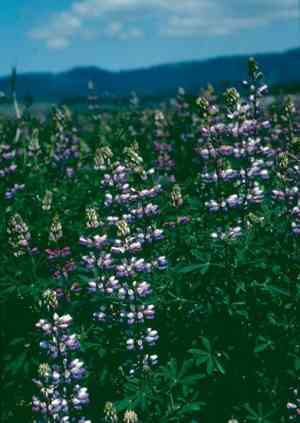
Sickle-keel lupine, recognized for its distinctive curved keels, flourishes with yearly trimming. In late winter or early spring, sever old and lifeless stalks to stimulate robust development and deter ailments. Eliminating faded blossoms extends the flowering period. Trim to sculpt the plant and excise any intersecting limbs to improve air movement. These methods boost the well-being and look of sickle-keel lupine, guaranteeing a sturdy and attractive garden feature.
What Are the Benefits of Pruning Sickle-keel Lupine?
What Are the Benefits of Pruning Sickle-keel Lupine?
Trimming sickle-keel lupine boosts its vitality and maintains its ideal form, fostering robust development and preventing excessive elongation. Regular cutting promotes dense foliage and controls plant size, leading to a healthier, more attractive look.
What Is the Best Time for Pruning Sickle-keel Lupine?
What Is the Best Time for Pruning Sickle-keel Lupine?
Pruning sickle-keel lupine in early spring or late winter is optimal because the plant is typically dormant then. Dormancy minimizes stress and potential harm to the plant. Additionally, pruning sickle-keel lupine at these times helps shape it before new growth begins, encouraging better development and health throughout the growing season. Pruning too late in spring or summer can disrupt the blooming cycle and reduce the plantâs ability to produce flowers for the season.
What Tools Do I Need to Prune Sickle-keel Lupine?
Hand Pruners
Hand pruners are perfect for precise cuts on stems and branches up to 1/2 inch thick. These tools are effective for removing dead or damaged sections without harming the plant.
Bypass Pruners
Bypass pruners are specifically recommended as they create clean cuts that encourage quicker healing, crucial for maintaining the health of sickle-keel lupine.
Pruning Shears
These are useful for shaping and general trimming, offering more leverage and cutting power for slightly thicker stems compared to hand pruners.
Pruning Knife
A sharp pruning knife can be used for detailed tasks, such as removing spent blooms or shaping smaller parts of sickle-keel lupine for aesthetic purposes.
Gloves
While not a cutting tool, gardening gloves are essential to protect hands from any rough stems or potential irritants present in sickle-keel lupine.
How to Prune Sickle-keel Lupine
Assess
Examine sickle-keel lupine for any indications of diseased or withered leaves. Focus on areas where foliage appears discolored, damaged, or limp.
Prepare
Sanitize pruning shears with rubbing alcohol to prevent the spread of disease. Wear gloves to protect your hands from any irritation.
Remove Diseased Leaves
Carefully cut away diseased leaves at the base where they connect to the main stem. Dispose of these leaves properly to avoid contaminating other plants.
Remove Withered Leaves
Snip off withered leaves close to the base but above any healthy foliage. Make clean cuts to help the plant direct energy to healthy growth.
Maintain
Monitor sickle-keel lupine regularly for any new signs of disease or withering. Continued periodic pruning will encourage overall health and vibrancy.
Common Pruning Mistakes with Sickle-keel Lupine
Improper Technique
Using dull or unclean tools can cause damage to the plant, making it more vulnerable to disease and pests.
Over-Pruning
Cutting back too much of the plant can stress sickle-keel lupine, hindering growth and flowering.
Incorrect Cut Placement
Cutting too close to the buds or main stem can lead to damage and poor regrowth.
Ignoring Plant Health
Pruning when sickle-keel lupine is stressed or unhealthy can worsen its issues instead of aiding recovery.
Common Pruning Tips for Sickle-keel Lupine
Use Sharp, Clean Tools
Ensure pruning shears are sharp and disinfected to make clean cuts and prevent disease transmission.
Prune Moderately
Only remove what is necessary, typically no more than one-third of the plant at a time, to avoid stressing sickle-keel lupine.
Make Proper Cuts
Always cut just above a node or bud to promote healthy regrowth and avoid leaving stubs that can harbor pests.
Focus on Dead or Diseased Parts
Start by removing any dead, diseased, or damaged parts to improve the plantâs overall health and appearance.
Encourage Airflow
Thinning out crowded branches can help improve air circulation, reducing the risk of fungal infections.