
Sickle-keel lupine (Lupinus albicaulis)
Also known as: Silver Stem Lupine
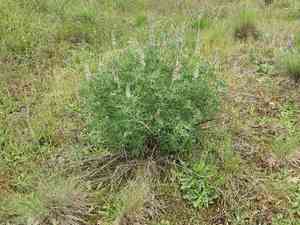
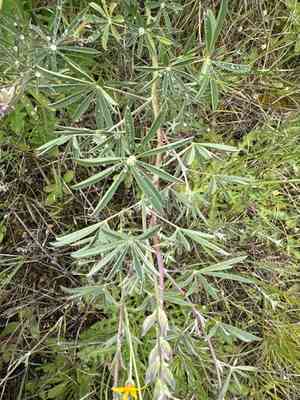
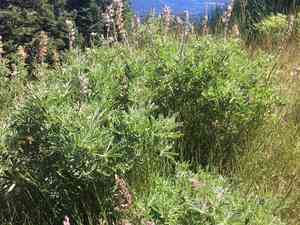
Sickle-keel lupine, with its striking white to blue-violet blooms arranged in long clusters on a slender stem, prefers open, sunny habitats. Its star-shaped leaves consist of narrow, finger-like leaflets. The plant features a strong taproot that allows it to thrive in drought conditions and poor soils, showcasing its adaptability and resilience in nature.
In This Article
Attributes of Sickle-keel lupine
Lifespan
Perennial
Plant Type
Herb
Plant Height
30 cm to 61 cm
Spread
1 to 1.5 feet
Leaf Color
Green with silver hairs
Flower Size
0.5 to 1 inch
Flower Color
Blue to purple
Images of Sickle-keel lupine

Quickly Identify Sickle-keel lupine
1
Identify Lupinus albicaulis by its tall, slender stem covered with silver hairs, its palmate leaves, and its spikes of blue to purple flowers. The flowers tend to form in dense, elongated clusters.
Scientific Classification of Sickle-keel lupine
Phylum
Vascular plants
Class
Dicotyledons
Order
Fabales
Family
Legume
Genus
Lupines
Species
Sickle-keel lupine
Planting and Growing of Sickle-keel lupine
Care Difficulty
Easy
Watering Schedule
Every 3 days
Sunlight Requirements
Full sun
Sunshine Duration
6-10 hours
Ideal Temperature
65-75℉
Soil Type
Potting Mix, Peat Mix
Soil pH
6.5-7.5
Fertilizer Type
Balanced
Pruning Season
Spring, Summer
Pruning Area
Branches, Leaves
Pruning Frequency
2 times a year
Repotting Season
Spring
Pot Type
Plastic, Ceramic
 How to Water Sickle-keel lupine?
Lupinus albicaulis prefers well-drained soil, so aim to water it with 500 ml of water each session, allowing the top inch of soil to dry out between watering. This ensures the roots receive adequate moisture without the risk of waterlogging.
What are the symptoms of an underwatered Sickle-keel lupine?
›
What should I do if my Sickle-keel lupine is not getting enough water?
›
What are the symptoms of an overwatered Sickle-keel lupine?
›
How to save an overwatered Sickle-keel lupine?
›
 What Are the Sunlight Requirements for Sickle-keel lupine?
Full sun is ideal, with exposure to 6 to 8 hours of direct sunlight daily. This ensures the optimal growth and flowering potential of Lupinus albicaulis, promoting vibrant blooms and healthy foliage.
How much sunlight does Lupinus albicaulis need?
›
What are solutions for ensuring optimal sunlight?
›
What benefits come from ideal sunlight exposure?
›
 What Is the Ideal Temperature Range for Sickle-keel lupine?
The optimal temperature range for growing Lupinus albicaulis is between 65°F and 75°F. This range ensures optimal enzymatic activity and nutrient uptake, allowing the plant to develop healthy foliage and flower profusely.
 What Soil is Best for Sickle-keel lupine?
Lupinus albicaulis thrives in well-drained soil, which prevents root rot by allowing excess water to flow away easily. This condition ensures that the plant's roots remain healthy, promoting better growth and nutrient uptake. This lupine species benefits from nutrient-rich soils that supply essential minerals for its development. Such soils support vigorous growth, resulting in lush foliage and vibrant flowers, enhancing its ornamental value. The presence of moderate organic matter in the soil provides a continuous supply of nutrients and improves soil structure. This fosters root aeration and moisture retention, essential for optimal plant health.
 How to Fertilize Sickle-keel lupine?
For Lupinus albicaulis, a moderate amount of fertilizer is ideal, roughly about 1 tablespoon of a balanced 10-10-10 fertilizer per plant each month during the growing season. You want to be cautious with the amount; too much can harm the roots.
 How to Prune Sickle-keel lupine?
Begin by sterilizing your pruning shears to prevent disease spread. Focus on removing any spent flower spikes to encourage more blooms. Cut back to just above a set of buds to stimulate branching. Pay attention to shaping the plant to allow air circulation within the foliage, which can help deter fungal problems. Always make clean cuts to avoid damaging the plant.
More About Pruning Techniques→
 How to Propagate Sickle-keel lupine plant?
1
Select healthy and mature Lupinus albicaulis seeds. Scarify the seeds by gently nicking the seed coat with a knife or rubbing with sandpaper to facilitate water absorption and improve germination rates.
2
Fill a seed tray with a sterile potting mix and moisten it lightly. Sow the scarified seeds on the surface and cover them with a thin layer of soil, approximately twice the seed's thickness. Maintain consistent moisture until germination.
3
Once seedlings have two to four true leaves, gently transplant them into individual pots or directly into the garden. Ensure spacing provides room for growth and reduce transplant shock by keeping roots intact.
 How to Repot Sickle-keel lupine plant?
1
Repotting for Lupinus albicaulis generally happens when roots start growing out of the drainage holes. This indicates that your plant has outgrown its current home and is in need of more space to thrive. This usually becomes noticeable in early spring or autumn.
2
When selecting a pot for Lupinus albicaulis, opt for one that is about 2 inches larger in diameter than the current pot. The selected pot should have ample drainage holes to prevent waterlogging, which can be detrimental to the plant’s roots. A ceramic or clay pot can help regulate soil moisture and temperature, offering a stable environment for the plant.
3
Choosing the right soil is crucial for Lupinus albicaulis. Select a well-draining, sandy soil mix to mimic the plant's natural habitat. This soil mix enhances drainage, preventing root rot, and provides essential nutrients for optimal growth. A good soil mix ensures that the plant's roots have enough airflow and do not sit in water.
Toxicity
Ingestion
WARNING
The judgment on toxicity and danger is for reference only. We DO NOT GUARANTEE any accuracy of such judgment. Therefore, you SHALL NOT rely on such judgment. It is IMPORTANT TO SEEK PROFESSIONAL ADVICE in advance when necessary.
Learn More About Sickle-keel lupine Diseases
Anthracnose
Bacterial Leaf Spot
Bacterial Soft Rot
Bacterial Wilt
Crown Gall
Cyst Nematode
Damping-off
Downy Mildew
Drought Stress
Fusarium Wilt
Gray Mold
Leaf Spot
Mosaic
Nutrient Deficiency
Nutrient Toxicity
Powdery Mildew
Root Rot
Root-knot Nematode
Rusts
Sooty Mold
Spider Mites
Temperature Stress
Thrips Damage
White Mold



