How to Prune Large-flower primrose-willow?
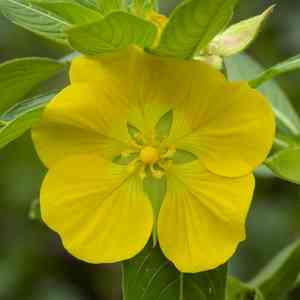
To manage large-flower primrose-willow, a vigorous aquatic perennial, spring and summer are crucial periods for pruning to ensure containment and revitalization. Remove faded blooms and elongated stems to enhance airflow and deter pathogens. Pruning fosters denser foliage, inhibits seed dispersal, and curbs its invasive nature. Make cuts directly above leaf junctions or branching areas for robust regrowth. Always sanitize instruments to reduce the chance of disease. Effective pruning preserves visual appeal and ecological equilibrium.
What Are the Benefits of Pruning Large-flower Primrose-willow?
What Are the Benefits of Pruning Large-flower Primrose-willow?
Trimming large-flower primrose-willow encourages new development, fostering vigor and a sturdy form. Regular seasonal cuts help maintain its intended shape, improving both garden aesthetics and the plant's overall well-being.
What Is the Best Time for Pruning Large-flower Primrose-willow?
What Is the Best Time for Pruning Large-flower Primrose-willow?
Pruning large-flower primrose-willow during spring and early summer coincides with its active growth phase, enabling the plant to recover quickly and minimize vulnerability to stress or disease. In spring, just before growth begins, trimming can help shape the plant and remove any dead or damaged tissue from winter, enhancing overall plant vitality and appearance. Early summer pruning is effective for managing or redirecting the vigorous growth often seen in spring, helping to maintain the desired plant size and prevent overcrowding. Pruning at these times also precedes the plant's flowering and fruiting period, avoiding the removal of potential blooms and ensuring the plantâs energy is directed towards healthy new growth.
What Tools Do I Need to Prune Large-flower Primrose-willow?
Hand Pruners
These are perfect for shaping and trimming large-flower primrose-willow, allowing for precise cuts on smaller stems. Bypass pruners, specifically, create clean cuts that promote rapid healing.
Long-handled Loppers
For thicker branches that hand pruners can't manage, loppers with extended handles provide the necessary leverage for clean cuts without harming large-flower primrose-willow.
Pruning Saw
If large-flower primrose-willow has matured and developed woody stems, a pruning saw might be needed for branches thicker than what loppers can handle.
Gardening Shears
To maintain the dense foliage and ensure a tidy appearance for large-flower primrose-willow, sharp gardening shears are useful for trimming back excess growth and shaping.
How to Prune Large-flower Primrose-willow
Cleaning tools
Sanitize pruning tools before use to prevent the spread of any potential diseases to large-flower primrose-willow.
Identification
Inspect large-flower primrose-willow and pinpoint any diseased or withered leaves, as well as affected stems.
Cutting diseased leaves
Use sharp pruning shears to carefully remove diseased leaves from large-flower primrose-willow, cutting at their point of attachment to the stem.
Cutting withered leaves
Snip any withered leaves at the base of their leaf stem to encourage new growth in large-flower primrose-willow.
Cutting diseased stems
Remove diseased stems from large-flower primrose-willow by making a clean cut at least an inch below the affected area, or back to the base if the entire stem is compromised.
Common Pruning Mistakes with Large-flower Primrose-willow
Over-pruning
Removing too much of large-flower primrose-willow at once can stress the plant, diminishing its vigor and potentially leading to poor health or death. It's crucial to prune no more than one-third of the plant at a time.
Improper Cutting Technique
Making jagged or torn cuts can damage large-flower primrose-willow by creating open wounds vulnerable to disease and pests. Clean, angled cuts heal faster and promote healthy regrowth.
Pruning Healthy Growth
Indiscriminately removing healthy growth may limit the plant's ability to flower. Focus on dead or diseased stems to conserve the plantâs energy for producing blooms.
Disregarding Plant Structure
Pruning without considering large-flower primrose-willow's natural shape can result in unbalanced growth. Understanding its structure and growth pattern is essential for effective pruning.
Unclean Tools
Using dirty pruning tools can introduce pathogens to large-flower primrose-willow, potentially causing infections. Always use sterilized tools to reduce the risk of disease transmission.
Common Pruning Tips for Large-flower Primrose-willow
Selective Pruning
Only remove dead, dying, or overcrowded branches. This targeted approach supports large-flower primrose-willow's health and encourages more blooms by directing energy to healthy parts of the plant.
Correct Tool Choice
Use sharp and appropriate tools such as pruning shears or loppers for cutting. Proper tools ensure clean cuts and reduce damage to large-flower primrose-willow's stems.
Cutting Angle
Make angled cuts on the branches to prevent water from collecting on the cut surfaces, which can lead to rot and disease in large-flower primrose-willow. The ideal angle is just above a bud or branching point.
Thinning Dense Areas
Thin out areas where large-flower primrose-willow's growth is too dense. This increases air circulation, reduces the potential for disease, and allows light to penetrate to the inner branches.
Promote Shape and Size
Prune large-flower primrose-willow to maintain or encourage the desired shape and control its size. Regular light pruning is more beneficial than infrequent heavy pruning.



