How to Prune Pale lobelia?
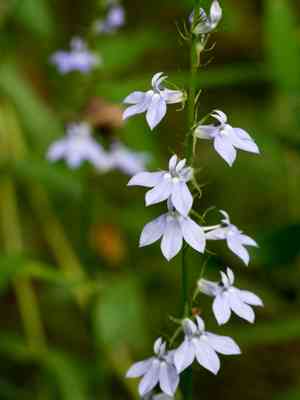
Lobelia pallida, recognized for its slender, elongated blossoms, thrives with yearly trimming to stimulate robust development. The ideal period for this is in early spring or late winter, right before fresh shoots emerge. Essential methods involve excising deceased or compromised stalks, reducing dense sections to enhance air movement, and snipping off faded flowers to foster additional flowering. Consistent trimming not only improves the plant's aesthetic appeal but also fortifies its general well-being by warding off illnesses and insect problems.
Advantages of Trimming Pale Lobelia
Advantages of Trimming Pale Lobelia
Trimming pale lobelia encourages robust development, maintains its form, boosts blooming, manages its dimensions, and enhances its overall look. Consistent trimming can also aid in pest and disease resistance, ensuring a healthier and stronger plant.
Optimal Period for Trimming Pale Lobelia
Optimal Period for Trimming Pale Lobelia
Trimming pale lobelia in early spring and late winter is ideal as these times align with the plant's dormant stage or just before its active growth phase. Pruning during these seasons fosters healthier development by minimizing stress and potential harm to the plant. Furthermore, cutting back in late winter ensures that any dead or damaged sections are removed before new growth commences, resulting in a more vigorous and attractive plant. Early spring trimming can help shape pale lobelia and promote more abundant flowering throughout its bloom cycle.
Tools Required for Trimming Pale Lobelia
Hand Pruners
Perfect for deadheading and minor trimming. Hand pruners are excellent for making accurate cuts and are ideal for managing smaller stems and branches.
Precision Pruners
These small, scissor-like pruners are great for making accurate cuts on delicate parts of pale lobelia. They help in ensuring clean cuts without damaging the plant.
Bypass Pruners
Suitable for slightly thicker stems of pale lobelia. Bypass pruners make clean cuts that promote faster healing and reduce the risk of disease.
Pruning Shears
Useful for shaping pale lobelia and removing spent flowers. Pruning shears help maintain the desired form and encourage healthy growth.
How to Trim Pale Lobelia
Identify
Inspect pale lobelia to find diseased or withered leaves that require removal. Look for signs of discoloration, spots, or wilting.
Prepare
Sanitize pruning shears or scissors with a bleach and water solution to prevent disease transmission.
Trim
Using sanitized tools, carefully cut away the identified diseased or withered leaves. Make cuts close to the base of the leaf stem without harming the healthy parts of the plant.
Dispose
Immediately discard the removed leaves in a sealed bag or by burning them to prevent the spread of any potential pathogens.
Monitor
Regularly check pale lobelia for new signs of disease or wilting, and repeat the trimming process as needed to maintain plant health.
Common Trimming Errors with Pale Lobelia
Over-pruning
Trimming too much of the plant can stress pale lobelia and negatively affect its ability to flower and grow healthily.
Incorrect technique
Using improper cutting tools or making incorrect cuts can damage pale lobelia and make it more vulnerable to diseases and pests.
Pruning at wrong intervals
Trimming too frequently or not enough can disrupt the natural growth cycle of pale lobelia, leading to either excessive growth or stunted development.
General Trimming Advice for Pale Lobelia
Use sharp, clean tools
Ensure pruning shears or scissors are sharp and clean to make precise cuts and avoid infection in pale lobelia.
Focus on dead or damaged stems
Always begin by removing any dead or damaged stems. This not only tidies the plant but also stimulates new growth.
Make clean cuts
Ensure cuts are clean and angled to prevent water from accumulating on the cut surface, which helps reduce the risk of disease for pale lobelia.
Thin out crowded areas
If parts of pale lobelia are growing too densely, selectively trim some stems to improve air circulation and light penetration, promoting healthier growth.
Minimal prune for shape
Trim in a way that preserves the natural shape of pale lobelia, removing only the necessary parts without drastically altering the plant's appearance.



