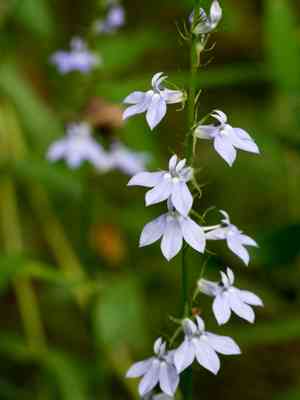
Pale lobelia (Lobelia appendiculata)
Also known as: Large Lobelia, Cape Blue Lobelia
Pale lobelia is a herbaceous species that flourishes in moist, well-drained soil. It features clusters of tubular flowers in various hues, adding vibrant color to gardens. The plant's leaves are typically narrow and elongated, sometimes with serrated edges. Known for its adaptability, pale lobelia thrives in damp conditions that are not overly saturated.
In This Article
Attributes of Pale lobelia
Lifespan
Perennial
Plant Height
30 cm to 91 cm
Spread
20-40 cm
Leaf Color
Green
Flower Size
1.5-2.5 cm
Flower Color
Blue
Images of Pale lobelia
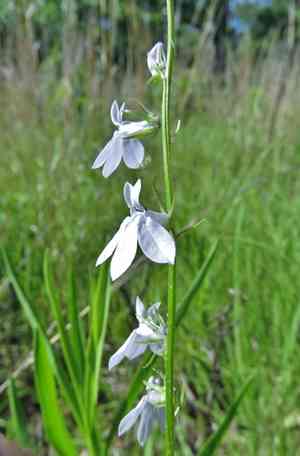
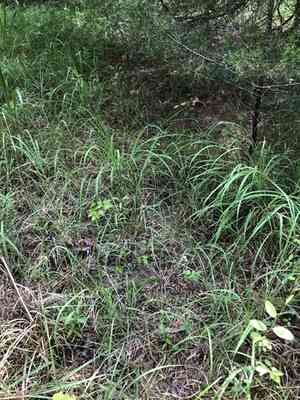
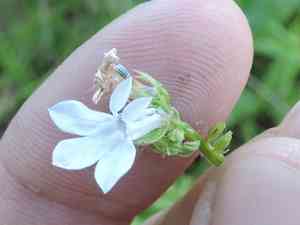
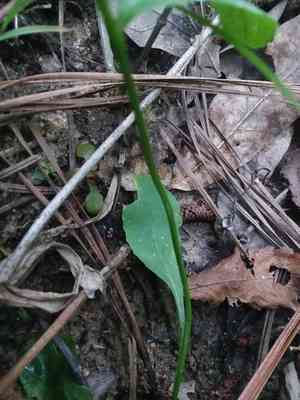
Quickly Identify Pale lobelia
1
Look for the characteristic tubular blue flowers and lance-shaped green leaves. The flowers typically have a unique \'appendage\' or lobe which can help in distinguishing it from other species.
Scientific Classification of Pale lobelia
Phylum
Vascular plants
Class
Dicotyledons
Order
Asterales
Family
Bellflower
Genus
Lobelias
Species
Pale lobelia
Planting and Growing of Pale lobelia
Care Difficulty
Moderate
Watering Schedule
Every 8 days
Sunlight Requirements
Full sun
Sunshine Duration
6-10 hours
Ideal Temperature
65-75℉
Soil Type
Potting Mix, Peat Mix
Soil pH
6.5-7.5
Fertilizer Type
Balanced
Pruning Season
Spring, Summer
Pruning Area
Branches, Leaves
Pruning Frequency
2 times a year
Repotting Season
Spring
Pot Type
Plastic, Ceramic
 How to Water Pale lobelia?
When watering Lobelia appendiculata, ensure the soil is evenly moist but not waterlogged. It is essential to provide thorough watering, reaching the root system adequately but without excess that could lead to pooling. Aim for about 150 ml per session, allowing excess water to drain away.
What are the symptoms of an underwatered Pale lobelia?
›
What should I do if my Pale lobelia is not getting enough water?
›
What are the symptoms of an overwatered Pale lobelia?
›
How to save an overwatered Pale lobelia?
›
 What Are the Sunlight Requirements for Pale lobelia?
Lobelia appendiculata thrives in full to partial sun environments, benefiting from at least 4 to 6 hours of direct sunlight. This exposure promotes vigorous growth, lush foliage, and prolific flowering, maximizing its ornamental appeal.
What is the best location for Lobelia appendiculata?
›
How to ensure daily sunlight needs are met?
›
Why is maintaining proper light levels important for this plant?
›
 What Is the Ideal Temperature Range for Pale lobelia?
Lobelia appendiculata thrives best in environments where the temperature is consistently between 65°F and 75°F. These conditions allow the plant to efficiently carry out photosynthesis, respiration, and other metabolic processes essential for healthy growth. This range is typical of warm, mild climates.
 What Soil is Best for Pale lobelia?
Lobelia appendiculata thrives in well-drained soil that prevents waterlogging, which is crucial for root health. Proper drainage ensures that the plant can access necessary nutrients without drowning, promoting healthy growth and vibrant blooms. This plant requires nutrient-rich soil to support its robust growth and flowering. Soil enriched with organic matter offers essential nutrients and improves soil structure, which enhances root development and overall plant vitality. The soil should have good aeration to allow roots to breathe. Proper aeration minimizes the risk of fungal diseases and encourages vigorous root expansion, ultimately supporting the plant's structural stability and nutrient uptake.
 How to Fertilize Pale lobelia?
For Lobelia appendiculata, it is advised to apply liquid fertilizer at a quarter of the recommended strength on the label. Over-fertilization can harm the plant, hence moderation is key. Ensure that the soil is moderately moist before applying any fertilizers to prevent root burn.
 How to Prune Pale lobelia?
Before you begin pruning, thoroughly inspect Lobelia appendiculata to ascertain the parts needing attention. Look for dead, diseased, or damaged stems, and plan the cuts you'll make to promote airflow and sunlight penetration. Start by cutting away any dead or diseased branches. Make your cuts at a 45-degree angle above a bud to encourage new, healthy growth. Be sure to sterilize your tools between cuts to prevent the spread of disease. Carefully trim longer stems back to your desired shape and size, ensuring an even and bushier appearance. Regular trimming helps control size and keeps the plant aesthetically pleasing. Aim to remove no more than one-third of the plant at one time to avoid shock. To keep your Lobelia blooming beautifully, remove spent flowers regularly. Deadheading stimulates new flower production. Focus on pinching back the tips of shoots to promote subsequent blooms throughout the growing season.
More About Pruning Techniques→
 How to Propagate Pale lobelia plant?
1
Start by filling the seed tray with a mixture of potting compost and sand. Sow the seeds evenly across the surface and lightly cover with a thin layer of compost. Keep the tray in a warm, bright location but out of direct sunlight.
2
For cutting propagation, select healthy, non-flowering stems. Cut about 4-6 inches of the stem just below a node. Remove the lower leaves and dip the cut end in rooting hormone before planting in a well-draining potting mix.
3
Water the seeds and cuttings gently but consistently. Ensure the soil remains moist but not overly saturated, as this can lead to fungal growth and root rot.
 How to Repot Pale lobelia plant?
1
Repot Lobelia appendiculata when you notice roots emerging from the drainage holes or when its growth becomes stunted. Another signal is when the soil dries out too quickly after watering, indicating that the plant has outgrown its current pot.
2
Select a pot that's 1-2 inches larger in diameter than the current one. Ensure it has adequate drainage holes to prevent waterlogging, which can lead to root rot. The pot material can be clay or plastic, but clay provides better breathability, ensuring healthier roots.
3
Use a well-draining soil mix rich in organic matter. Incorporate perlite or sand to enhance drainage. This composition will prevent over-watering issues and provide essential nutrients, supporting the plant's growth and vibrant bloom production.
Toxicity
ingestion
WARNING
The judgment on toxicity and danger is for reference only. We DO NOT GUARANTEE any accuracy of such judgment. Therefore, you SHALL NOT rely on such judgment. It is IMPORTANT TO SEEK PROFESSIONAL ADVICE in advance when necessary.
Learn More About Pale lobelia Diseases
Anthracnose
Bacterial Leaf Spot
Bacterial Soft Rot
Bacterial Wilt
Chemical Injury
Crown Gall
Cyst Nematode
Damping-off
Downy Mildew
Drought Stress
Fusarium Wilt
Gray Mold
Leaf Curl
Leaf Spot
Mosaic
Nutrient Deficiency
Nutrient Toxicity
Powdery Mildew
Root Rot
Root-knot Nematode
Rusts
Sooty Mold
Spider Mites
Temperature Stress
Thrips Damage
White Mold



