How to Prune Tuberous stoneseed?
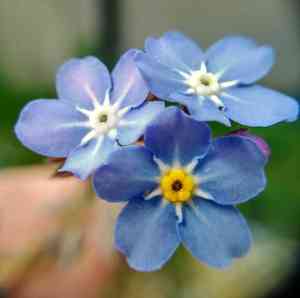
This enduring herbaceous plant features robust root systems and vivid blossoms. For tuberous stoneseed, promptly remove spent flowers to encourage additional blooming. Trim back the leaves following the summer flowering period to preserve its form and vitality. Spring pruning stimulates robust development. Always employ sanitized, keen implements to lessen the chance of disease, and dispose of excised plant matter to avert pest problems. Pruning not only revitalizes tuberous stoneseed but also improves its development and aesthetic appeal for the subsequent year.
Advantages of Trimming Tuberous Stoneseed
Advantages of Trimming Tuberous Stoneseed
Trimming tuberous stoneseed helps maintain its desired shape and encourages robust development, crucial for its overall health and visual appeal.
Optimal Period for Trimming Tuberous Stoneseed
Optimal Period for Trimming Tuberous Stoneseed
Trimming in spring allows tuberous stoneseed to recover swiftly as it enters a phase of vigorous growth with warmer temperatures and increased sunlight. This timing also stimulates new growth, benefiting the plant's health. Early summer trimming, following the initial spring growth spurt, can help shape tuberous stoneseed and remove spent flowers or unwanted seed heads, enhancing its appearance and directing energy towards healthier development. Avoid late summer to early fall trimming, as it can promote new growth that may not harden off before winter, making tuberous stoneseed vulnerable to cold damage.
Necessary Tools for Trimming Tuberous Stoneseed
Bypass Pruners
Perfect for making clean cuts on the smaller, softer stems of tuberous stoneseed without crushing plant tissue.
Gardening Gloves
Essential for safeguarding the gardener's hands from thorns and sharp edges during the trimming process of tuberous stoneseed.
Pruning Saw
Useful for removing any larger, woody stems that might be too thick for bypass pruners, if tuberous stoneseed possesses them.
Anvil Pruners
Not advised for tuberous stoneseed as they tend to crush delicate stems during the cutting process.
How to Trim Tuberous Stoneseed
Sanitize tools
Before starting the trimming process, ensure all pruning tools are properly disinfected. This helps prevent the spread of disease to healthy parts of tuberous stoneseed.
Remove diseased foliage
Carefully inspect tuberous stoneseed for diseased leaves. Using clean, sharp scissors or pruning shears, gently cut away any leaves showing signs of disease, being careful not to harm adjacent healthy tissue.
Trim withered leaves
Identify any withered or dead leaves on tuberous stoneseed. These can be removed by carefully snipping them off at the base where the leaf stem meets the main plant. This promotes better air circulation and directs the plant's energy towards new growth.
Cut diseased stems
Examine the stems of tuberous stoneseed for any signs of disease. Using your disinfected pruning shears, cut diseased stems back to a point where healthy tissue is visible, making a clean cut at a 45-degree angle to facilitate quick healing and prevent water accumulation.
Clear debris
After trimming is complete, remove all debris from around tuberous stoneseed to minimize the chance of disease or pest infestation. Properly dispose of the diseased material away from the garden to prevent reinfection.
Common Trimming Errors with Tuberous Stoneseed
Excessive trimming
Cutting back too much of tuberous stoneseed at once can shock the plant, potentially leading to weak growth or reduced flowering.
Trimming too soon
Trimming tuberous stoneseed before its flowering cycle is complete can result in a loss of blooms for the next season due to the plant's growth habits.
Using dull implements
Dull trimming tools can cause jagged cuts that are more susceptible to disease and may harm tuberous stoneseed's overall health.
Neglecting tool cleanliness
Failure to clean trimming tools between uses can spread diseases from one plant to another, thus affecting tuberous stoneseed's well-being.
Ignoring plant form
Tuberous stoneseed may have a natural growth pattern, and trimming without considering this can result in an unnatural appearance and hinder the plant's vitality.
General Trimming Advice for Tuberous Stoneseed
Targeted trimming
Trim selectively to maintain shape and encourage new growth by cutting just above a node or new bud to promote healthy flowering in tuberous stoneseed.
Moderate removal
When cutting back tuberous stoneseed, remove only the necessary amount, typically no more than one-third of the plant, to ensure continued vigor and health.
Clean cuts
Use sharp, clean trimming tools for crisp cuts that heal quickly, preventing unnecessary stress and potential infection in tuberous stoneseed.
Tool sanitization
Sanitize trimming tools before and after use on tuberous stoneseed to prevent the transmission of disease pathogens.
Growth pattern awareness
Remember tuberous stoneseed's growth pattern while trimming to enhance its natural shape and avoid stunting its growth or creating unwanted dense areas.



