
Tuberous stoneseed (Lithospermum tuberosum)
Also known as: Purple Gromwell, Bearded Lithospermum
The name "tuberous stoneseed" derives from the plant's hard, stone-like seeds. Belonging to the forget-me-not family, this plant features yellow blooms in the spring and has hairy leaves. It is indigenous to the United States.
In This Article
Attributes of Tuberous stoneseed
Lifespan
Perennial
Plant Type
Herb
Plant Height
30 cm to 61 cm
Spread
Approximately 20 cm
Leaf Color
Green
Flower Size
Around 1.5 cm
Flower Color
Yellow
Images of Tuberous stoneseed
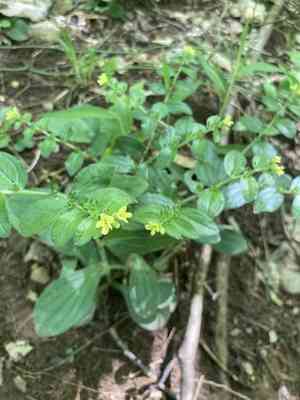
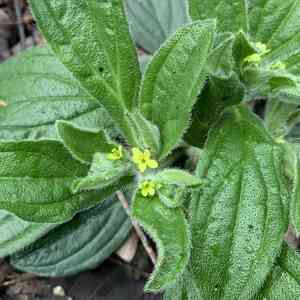
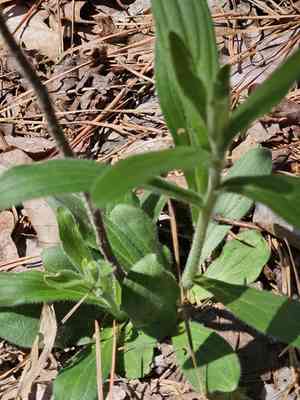
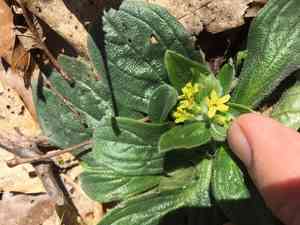
Quickly Identify Tuberous stoneseed
1
Look for detailed lanceolate leaves with a hairy texture, and striking purple flowers that bloom in clusters. The plant has tuberous roots which are used for identification.
Scientific Classification of Tuberous stoneseed
Phylum
Vascular plants
Class
Dicotyledons
Order
Boraginales
Family
Borage
Genus
Gromwells
Species
Tuberous stoneseed
Planting and Growing of Tuberous stoneseed
Care Difficulty
Easy
Watering Schedule
Every 2 days
Sunlight Requirements
Partial sun
Sunshine Duration
6-10 hours
Ideal Temperature
60-70℉
Soil Type
Potting Mix, Peat Mix
Soil pH
6.5-7.5
Fertilizer Type
Balanced
Pruning Season
Spring, Summer
Pruning Area
Branches, Leaves
Pruning Frequency
2 times a year
Repotting Season
Spring
Pot Type
Plastic, Terracotta
 How to Water Tuberous stoneseed?
When watering Lithospermum tuberosum, aim to keep the soil consistently moist but not waterlogged. Use approximately 500 milliliters per watering session to thoroughly hydrate the root zone without causing standing water.
What are the symptoms of an underwatered Tuberous stoneseed?
›
What should I do if my Tuberous stoneseed is not getting enough water?
›
What are the symptoms of an overwatered Tuberous stoneseed?
›
How to save an overwatered Tuberous stoneseed?
›
 What Are the Sunlight Requirements for Tuberous stoneseed?
Partial sun is the ideal light range for Lithospermum tuberosum, providing it with 4-6 hours of filtered sunlight daily. This setup allows for optimal growth, healthy foliage, and vibrant blooms while preventing damage due to excessive exposure.
What is the recommended light for Lithospermum tuberosum?
›
How can I achieve the ideal lighting conditions?
›
What are the benefits of ideal lighting for Lithospermum tuberosum?
›
 What Is the Ideal Temperature Range for Tuberous stoneseed?
Lithospermum tuberosum thrives best in an environment where temperatures are kept between 60 and 70 degrees Fahrenheit. This range provides optimal conditions for photosynthesis, ensuring the plant can efficiently convert sunlight into energy. Maintaining these temperatures supports healthy growth, vibrant foliage, and strong resistance to diseases common in less ideal conditions.
 What Soil is Best for Tuberous stoneseed?
Lithospermum tuberosum thrives in well-draining soil that prevents waterlogging. This helps the plant maintain healthy roots and reduces the risk of root rot, encouraging robust growth. This plant prefers soils that retain moderate moisture levels to support its water needs without creating soggy conditions. Such balanced moisture helps ensure the plant can absorb nutrients effectively. Lithospermum tuberosum benefits from nutrient-rich soils that boost its growth by providing essential minerals and organic matter. This nutrient availability enhances flowering and overall vitality.
 How to Fertilize Tuberous stoneseed?
For Lithospermum tuberosum, the general rule of thumb is to apply a balanced liquid fertilizer at a concentration of 1 teaspoon per gallon of water. When preparing to apply a solid slow-release fertilizer, use approximately 1 tablespoon per square foot of soil area to ensure even distribution and avoid fertilizer burn.
 How to Prune Tuberous stoneseed?
Begin by sterilizing your pruning tools to avoid infections. Start pruning by removing dead and damaged branches, which will keep the plant healthy and promote new growth. Proceed to thin out the plant by cutting any overcrowded branches to improve air circulation and sunlight penetration. Trim the top sections to maintain the desired height and shape gently. After pruning, water the plant to help it recover from the stress.
More About Pruning Techniques→
 How to Propagate Tuberous stoneseed plant?
1
Collect mature seeds from viable plants in early spring. Soak seeds in warm water for 24 hours to enhance germination. This process helps to break seed dormancy and improve the likelihood of successful sprouting.
2
In late spring, use pruning shears to cut 4-6 inch lengths of healthy stems. Remove the lower leaves, keeping just a few at the top. Dip the cut end in rooting hormone to encourage root development before planting in pots.
3
During early summer, dig up the mature plant and gently divide the root clumps using sterilized tools. Each division should have a healthy root system and at least one growing shoot. Replant divisions promptly to reduce stress.
 How to Repot Tuberous stoneseed plant?
1
Lithospermum tuberosum shows signs of needing repotting when it outgrows its current container, with roots visibly emerging from drainage holes or the soil surface becomes compacted. Choose to repot in spring or early summer as the plant actively grows. This timing ensures it can swiftly establish itself in the new potting mix.
2
Select a pot that is just slightly larger than the current one, with ample drainage holes at the bottom. A slightly larger pot avoids excessive soil retaining moisture, which could lead to root rot. Clay or terracotta pot materials can be advantageous for Lithospermum tuberosum as they allow better air circulation and prevent waterlogging.
3
Opt for a well-draining sandy mix that mimics the plant's natural habitat. Such a mix allows excess water to drain, preventing root rot and ensuring the roots receive enough oxygen. Incorporating components like perlite or coarse sand improves drainage further, fostering healthier growth.
Toxicity
Ingestion
WARNING
The judgment on toxicity and danger is for reference only. We DO NOT GUARANTEE any accuracy of such judgment. Therefore, you SHALL NOT rely on such judgment. It is IMPORTANT TO SEEK PROFESSIONAL ADVICE in advance when necessary.
Learn More About Tuberous stoneseed Diseases
Anthracnose
Bacterial Leaf Spot
Bacterial Wilt
Crown Gall
Cyst Nematode
Damping-off
Downy Mildew
Drought Stress
Fusarium Wilt
Gray Mold
Leaf Spot
Mosaic
Nutrient Deficiency
Nutrient Toxicity
Powdery Mildew
Root Rot
Root-knot Nematode
Rusts
Sooty Mold
Spider Mites
Temperature Stress
Thrips Damage
White Mold



