How to Prune Prickly phlox?
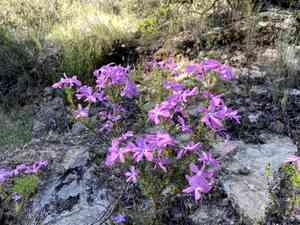
Distinguished by its sharp leaves, prickly phlox flourishes with judicious trimming to foster a more compact form. Remove deceased or superfluous stalks in late winter or early spring to preserve its structure and stimulate robust blooms. Consistent removal of mature stems improves light access and airflow, deterring ailments and stimulating fresh growth. Trimming subsequent to blooming facilitates seed distribution, guaranteeing the prickly phlox's regeneration. Precise incisions uphold this resilient perennial's vivid presentation, offering both visual appeal and environmental advantages.
What Are the Benefits of Pruning Prickly Phlox?
What Are the Benefits of Pruning Prickly Phlox?
Trimming prickly phlox promotes vigorous development and helps keep its desired form. Regular cutting eliminates dead or weak parts, improves air circulation, and directs energy to healthy stems, boosting the plant's overall health and look.
What Is the Best Time for Pruning Prickly Phlox?
What Is the Best Time for Pruning Prickly Phlox?
The optimal period for pruning prickly phlox is late winter to early spring. This timing coincides with the end of its dormant phase, just before its active growth cycle begins. Pruning during this window ensures rapid healing of cuts due to the surge of new spring growth. It also allows prickly phlox to establish its form and channel energy to the strongest shoots, aiding in abundant flowering. This timeframe is ideal as it avoids removing emerging buds, which would diminish the plant's blooming potential, and minimizes pruning-related stress during hot, dry periods when prickly phlox relies on its foliage for photosynthesis and transpiration.
What Tools Do I Need to Prune Prickly Phlox?
Bypass Pruners
For precise, clean cuts on prickly phlox's delicate stems, bypass pruners are highly recommended. They function like scissors, enabling neat cuts that aid healing and lessen disease risk.
Pruning Shears
Prickly phlox may develop thicker branches requiring more robust tools. Pruning shears are excellent for cutting this denser growth without harming the plant.
Gardening Gloves
Protecting hands from prickly phlox's spiky texture is crucial. Wear durable gloves to prevent scratches and ensure a comfortable pruning experience.
Small Hand Saw
If prickly phlox has matured with woodier stems, a small hand saw might be needed for larger, tougher branches. This tool allows for precision without causing undue stress to the plant.
How to Prune Prickly Phlox
Clean tools
Before beginning the pruning process, ensure all tools are clean and sterilized to prevent disease spread to prickly phlox.
Diseased materials
Carefully inspect prickly phlox and remove any diseased leaves and branches by cutting them at the base where they meet healthy tissue, using sharp, sterile pruning shears.
Withered foliage
Trim away dried leaves from prickly phlox, making sure to make clean cuts to avoid damaging the plant's healthy parts.
Dead branches
Identify and cut back dead branches on prickly phlox to their intersection with live stems, promoting healthier growth and air circulation.
Shape plant
After removing unhealthy parts, lightly shape prickly phlox by pruning overly long or unbalanced branches to maintain its natural appearance and support robust growth.
Common Pruning Mistakes with Prickly Phlox
Over-pruning
Removing too much growth at once can stress prickly phlox, potentially leading to weak development or reduced blooms.
Using dull tools
Pruning with dull or dirty tools can cause jagged cuts that are more vulnerable to pests and disease.
Improper cut location
Cutting too far from a bud or node, or too close, can result in poor growth or damage to prickly phlox.
Neglecting diseased material
Failing to remove diseased or dead material during pruning can allow infections to spread throughout prickly phlox.
Pruning without plan
Pruning prickly phlox without assessing its shape and health can result in an unbalanced appearance and weakened plant structure.
Common Pruning Tips for Prickly Phlox
Selective pruning
Focus on removing only the dead or damaged stems of prickly phlox to maintain plant health and stimulate growth.
Clean cuts
Make clean cuts at a 45-degree angle just above a bud or node to encourage proper healing and new growth.
Sanitized tools
Use sanitized pruning tools to prevent the spread of disease among plants and ensure the health of prickly phlox.
Gradual rejuvenation
For older prickly phlox plants, rejuvenate gradually over a few seasons rather than all at once to prevent shock.
After flowering
Prune prickly phlox after it has finished blooming to shape the plant without sacrificing the next season's flowers.
Monitor growth
Regularly monitor the growth of prickly phlox so you can prune as needed to maintain its desired form and vitality.



