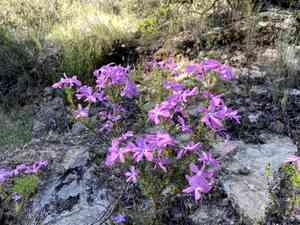
Prickly phlox (Linanthus californicus)
Also known as: California Linanthus
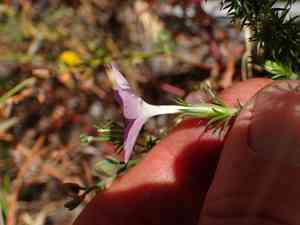
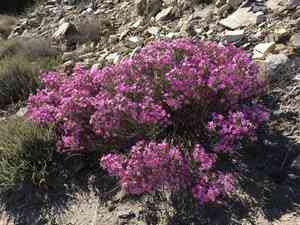
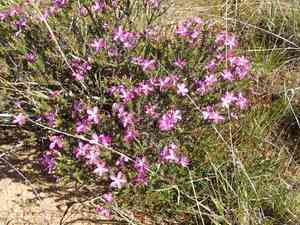
Linanthus californicus, or California linanthus, features finely divided, needle-like leaves. Often referred to as "prickly phlox," its small, delicate flowers, usually white or pale blue with a yellow center, open in the morning and close by evening. The species is native to California, thriving in chaparral, woodlands, and coastal sage scrub environments.
In This Article
Attributes of Prickly phlox
Lifespan
Perennial
Plant Type
Shrub
Plant Height
30 cm to 1.006 m
Spread
30 cm
Leaf Color
Green
Flower Size
2.5 cm
Flower Color
Pink Purple
Images of Prickly phlox

Quickly Identify Prickly phlox
1
Look for a small, herbaceous plant with needle-like leaves and delicate, star-shaped flowers typically white to pale pink. The plant usually blooms in the spring and has a bushy growth habit.
Scientific Classification of Prickly phlox
Phylum
Vascular plants
Class
Dicotyledons
Order
Ericales
Family
Phlox
Genus
Linanthus
Species
Prickly phlox
Planting and Growing of Prickly phlox
Care Difficulty
Easy
Watering Schedule
Every 2 days
Sunlight Requirements
Full sun
Sunshine Duration
6-10 hours
Ideal Temperature
60-75℉
Soil Type
Potting Mix, Peat Mix
Soil pH
6.5-7.5
Fertilizer Type
Balanced
Pruning Season
Spring, Summer
Pruning Area
Branches, Leaves
Pruning Frequency
2 times a year
Repotting Season
Spring
Pot Type
Plastic, Terracotta
 How to Water Prickly phlox?
Linanthus californicus prefers a moderate amount of water. Ensure that the soil is moistened to a depth of at least 2 inches with each watering. It is important not to overwater, as this plant is sensitive to waterlogged conditions. Using approximately 250 ml each time will suffice to achieve this moisture level.
What are the symptoms of an underwatered Prickly phlox?
›
What should I do if my Prickly phlox is not getting enough water?
›
What are the symptoms of an overwatered Prickly phlox?
›
How to save an overwatered Prickly phlox?
›
 What Are the Sunlight Requirements for Prickly phlox?
Linanthus californicus thrives best with full sun exposure. This lighting condition promotes vigorous growth and vibrant flower production, enhancing its natural beauty and health.
How much light does Linanthus californicus need?
›
What is the best location for Linanthus californicus?
›
What are the benefits of ideal lighting for Linanthus californicus?
›
 What Is the Ideal Temperature Range for Prickly phlox?
Linanthus californicus thrives best within a temperature range of 60-75°F. These temperatures mimic the plant's natural habitat, allowing for optimal growth and blooming. Maintaining these conditions helps in ensuring the plant remains stress-free and healthy.
 What Soil is Best for Prickly phlox?
Linanthus californicus thrives in well-drained soils that prevent waterlogging. Good drainage ensures that the roots receive the necessary oxygen, thus promoting robust plant health and preventing root rot. The plant prefers aerated soil, which allows air to reach the roots. This can be achieved by incorporating organic matter or sand. Proper aeration facilitates nutrient uptake, aiding in healthier and more vigorous growth. It prospers in nutrient-light soils, reflecting its natural habitat where over-fertilization can harm more than benefit. The lesser nutrients prevent nutrient burn and help maintain the plant's natural growth patterns.
 How to Fertilize Prickly phlox?
For Linanthus californicus, use a balanced, diluted liquid fertilizer at half the recommended strength. Ensure not to exceed this concentration as the plant is adapted to nutrient-poor environments and excessive fertilization can harm it.
 How to Prune Prickly phlox?
Begin by watering the plant a day before pruning to reduce stress. Carefully examine the plant to identify which parts need to be trimmed, focusing on overgrown or tangled areas. Start by cutting back any visibly dead branches first, making clean cuts at a 45-degree angle just above a leaf node. This angle promotes healing and directs water away from the cut surface. For a fuller appearance, cut back the tips of the branches by about one-third of their length. This encourages lateral growth rather than vertical growth, resulting in a bushier plant.
More About Pruning Techniques→
 How to Propagate Prickly phlox plant?
1
Use a well-draining seed mix composed of peat moss and perlite. This mixture offers excellent aeration and moisture retention, crucial for the germination of Linanthus californicus seeds. Ensure the mix is damp but not waterlogged before use.
2
Sprinkle the seeds lightly over the surface of the prepared seed trays. Do not cover them with too much soil, as they require light for germination. A thin layer of vermiculite can be used for covering, helping to retain moisture while allowing light penetration.
3
Place the seed trays under a grow light or in a location with bright, indirect sunlight. Maintain a steady temperature of around 18-22°C (64-72°F). Regularly mist the seeds to keep them moist, and avoid waterlogging to prevent seed rot.
 How to Repot Prickly phlox plant?
1
Repotting Linanthus californicus should be considered when the plant shows signs of becoming root bound, such as roots emerging from drainage holes or slow growth. The best time is during its active growing seasons in spring or autumn, avoiding extremes of summer heat or winter cold.
2
Select a pot that is 1-2 inches wider and deeper than the current one. Ensure it has good drainage to prevent waterlogging, which is crucial for avoiding root rot. A slightly larger pot will encourage healthier root expansion without risking over-potting.
3
A well-draining sandy mix is vital for Linanthus californicus to mimic its natural habitat. This type of soil prevents water retention and ensures air circulation around the roots, which are essential for healthy growth and preventing diseases associated with damp conditions.



