How to Prune Coast lily?
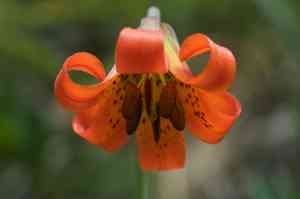
Recognized for its vivid, parasol-shaped blossoms, coast lily necessitates trimming in early spring or late winter. Eliminate spent flowers and compromised stalks to encourage vigorous development. Trim back withered leaves after flowering to avert ailments. Pruning invigorates fresh growth and amplifies blooming. Verify that instruments are disinfected to preclude contagions. The ideal period coincides with coast lily's developmental phase, guaranteeing abundant flowers in the subsequent period.
What Are the Benefits of Pruning Coast Lily?
What Are the Benefits of Pruning Coast Lily?
Trimming coast lily promotes robust development, maintains its form, enhances air circulation, lowers disease risk, and boosts blooming. Regular cutting ensures a tidy look, better light exposure, and healthy progress.
What Is the Best Time for Pruning Coast Lily?
What Is the Best Time for Pruning Coast Lily?
Pruning coast lily in late winter or early spring is optimal, aligning with its dormant phase. During dormancy, the plant experiences less stress from trimming, encouraging healthier regrowth. Additionally, pruning before new spring growth helps shape the plant and stimulates vigorous flowering in the growing season. These periods avoid disrupting the bloom cycle, allowing coast lily ample time to recover and produce abundant flowers.
What Tools Do I Need to Prune Coast Lily?
Bypass Pruners
Bypass pruners are perfect for making precise cuts on coast lily stems. They help minimize harm and prevent the spread of illness.
Deadheading Scissors
Deadheading scissors are ideal for removing spent flowers and encouraging new blooms on coast lily. They provide accurate cuts, crucial for delicate blossoms.
Pruning Knife
A pruning knife is useful for making more detailed cuts around the base and other parts of coast lily without causing bruising.
Sterilizing Equipment
Sanitizing tools with alcohol wipes or dips before and after pruning coast lily helps prevent the spread of fungal and bacterial diseases.
Protective Gloves
Wearing protective gloves will help shield hands when handling any thorny or rough foliage on coast lily during pruning.
How to Prune Coast Lily
Identify
Examine coast lily thoroughly to locate any diseased or withered leaves. Accurately identifying these parts will ensure healthy growth.
Tools
Prepare sterilized pruning shears or scissors. This will prevent the spread of disease and promote clean cuts.
Cut diseased leaves
Remove the diseased leaves first by cutting them at the base, close to where they join the stem. Ensure all diseased material is fully removed to prevent further infection.
Trim withered leaves
Cut away the withered leaves, also making the cut close to the base. This helps coast lily focus its energy on healthy growth.
Dispose
Dispose of the removed diseased and withered leaves properly, away from other plants, to prevent any potential spread of disease.
Common Pruning Mistakes with Coast Lily
Over-pruning
Cutting back too much of the plant all at once can stress coast lily, leading to reduced flowering and stunted growth.
Improper technique
Using dull or dirty tools can cause jagged cuts and introduce disease. Pruning incorrectly, such as making cuts too close to a leaf node, can damage the plant.
Pruning at the wrong time
Pruning at the incorrect stage in coast lily's growth cycle can hinder its ability to produce flowers or recover properly, although this guide excludes specifics on timing.
Common Pruning Tips for Coast Lily
Use sharp, clean tools
Ensure that tools like shears and pruners are sharp and sterilized to make clean cuts and prevent disease spread.
Remove dead and damaged growth
Focus on removing any dead or damaged stems and leaves. This helps redirect the plant's energy to healthy growth and reduces the risk of disease.
Thin out crowded areas
If parts of coast lily are overly dense, selectively remove some growth to improve air circulation and light penetration, which can foster a healthier plant overall.
Prune above a healthy leaf node
Make cuts just above a healthy leaf node or bud to encourage new growth from that point.
Step back and assess
Periodically step back and evaluate the plant's overall shape and balance to ensure a more aesthetically pleasing and healthy plant structure.



