How to Prune Dwarf chamaesaracha?
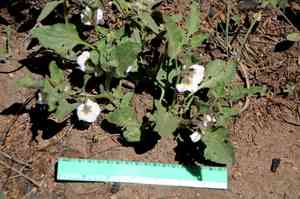
The compact chamaesaracha, recognized for its diminutive stature and exquisite blossoms, necessitates infrequent trimming. Optimal pruning occurs in the initial part of spring or during summer to encourage robust development and bloom production. Concentrate on excising lifeless, injured, or excessively dense stalks. Reducing the plant's density improves air movement and light exposure, thereby lowering the likelihood of ailments. Trimming the compact chamaesaracha cultivates a more energetic and visually appealing growth pattern, guaranteeing strong performance throughout its active period. Refer to regional gardening recommendations for localized guidance.
What Are the Benefits of Pruning Dwarf Chamaesaracha?
What Are the Benefits of Pruning Dwarf Chamaesaracha?
Dwarf chamaesaracha will grow robustly and keep its form with consistent trimming. This practice fosters healthy development, enhances its natural shape, and aids in managing its size, ensuring it stays visually appealing and strong.
What Is the Best Time for Pruning Dwarf Chamaesaracha?
What Is the Best Time for Pruning Dwarf Chamaesaracha?
Trimming or shaping dwarf chamaesaracha during spring and summer is optimal due to its active growth period in these seasons. Spring pruning encourages vigorous new growth and allows the plant to recover and produce more leaves or blooms. Summer trimming can help control the plant's size and form while supporting healthy development and preventing illness. Pruning outside these times might impede the plant's growth and potentially affect its flowering or fruiting processes.
What Tools Do I Need to Prune Dwarf Chamaesaracha?
Hand Pruners (Bypass Pruners)
Perfect for making precise cuts on smaller stems and branches of dwarf chamaesaracha. They ensure a clean cut, which is crucial for the plant's well-being.
Pruning Shears
Useful for trimming and shaping the foliage of dwarf chamaesaracha. They can easily manage the smaller stems and softer branches.
Garden Gloves
Essential for protecting your hands while handling dwarf chamaesaracha and its potentially fragile parts.
How to Prune Dwarf Chamaesaracha
Inspection
Carefully examine dwarf chamaesaracha to identify any diseased leaves, dried leaves, and unhealthy stems. Look for discoloration, spots, and any visible decay or damage.
Disinfest tools
Before starting the pruning process, sanitize your pruning tools with a 70% isopropyl alcohol solution or a bleach and water mixture to prevent disease spread.
Trim diseased leaves
Using sterilized pruning shears, cut off any diseased leaves at the base of the leaf stem. Ensure you cut well below the affected area to remove all potential pathogens.
Remove withered leaves
Snip away any dried or dead leaves close to the main stem. These leaves no longer contribute to the plant's health and can harbor pests or diseases.
Cut diseased stems
Trim any diseased stems back to healthy tissue. Cut at an angle just above a leaf node or healthy growth to encourage regrowth and prevent further disease spread.
Common Pruning Mistakes with Dwarf Chamaesaracha
Over-pruning
Removing too much foliage can stress the plant, leading to stunted growth and fewer blooms.
Poor timing
Pruning at the wrong time may disrupt the plant's growth cycle, resulting in poor flowering or even damage.
Improper cuts
Making uneven or jagged cuts can invite disease and pests, compromising the plant's health.
Using dirty or dull tools
Unclean or dull tools can spread disease and make it harder to achieve clean cuts, harming the plant.
Common Pruning Tips for Dwarf Chamaesaracha
Use sharp and clean tools
Always ensure pruning shears are sharp and sanitized to prevent disease spread and ensure clean cuts.
Remove dead or damaged stems
Regularly prune away dead or damaged stems to promote healthy growth and improve air circulation.
Prune lightly and selectively
Trim only what's necessary to maintain the plant's shape and health, avoiding over-pruning.
Aim for clean cuts
Make clean, angled cuts to help the plant heal faster and reduce the risk of disease.



