How to Prune Creeping lespedeza?
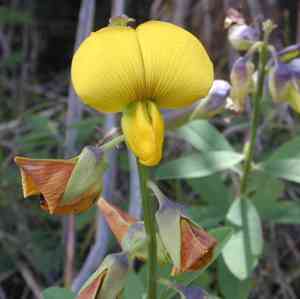
Creeping lespedeza, a perennial legume, flourishes across diverse environments due to its spreading growth pattern and clover-like leaves. Trim creeping lespedeza in early spring to stimulate branching and regulate its expansion. Summer cuts help preserve its form and restrict its dimensions. Strategic pruning deters excessive growth and fosters more robust, thicker plant life. The plant's hardy character means it requires little pruning, offering advantages like better air movement and possibly more abundant flowering.
What Are the Benefits of Pruning Creeping Lespedeza?
What Are the Benefits of Pruning Creeping Lespedeza?
Trimming creeping lespedeza promotes robust development and helps preserve its form. This method allows gardeners to manage excessive growth, ensuring creeping lespedeza stays dense and appealing while potentially boosting its resistance to pests and illnesses.
What Is the Best Time for Pruning Creeping Lespedeza?
What Is the Best Time for Pruning Creeping Lespedeza?
Pruning creeping lespedeza in late spring and early summer aligns with its post-flowering period, which is optimal for several reasons. During these seasons, creeping lespedeza has typically finished blooming, meaning that trimming will not hinder flower production. This timing allows gardeners to shape the plant and control its spread without sacrificing the floral display. Additionally, pruning after flowering gives creeping lespedeza ample time to recover and produce new growth before entering dormancy in colder months. Trimming in late spring or early summer also leverages the plant's active growth phase, so wounds heal faster, making creeping lespedeza less vulnerable to diseases or pests. In summary, pruning during these specific seasons ensures the health of creeping lespedeza, enhances its appearance, and prepares it for vigorous growth in the subsequent season.
What Tools Do I Need to Prune Creeping Lespedeza?
Hand Pruners
Perfect for cutting slender stems and branches of creeping lespedeza, which typically exhibits delicate and flexible growth. Hand pruners deliver clean and precise cuts without harming the fragile structures.
By-pass Pruners
Especially useful for making clean cuts through green, living growth of creeping lespedeza without crushing plant tissues. The curved, scissor-like blades are designed for live plants and aid in rapid healing.
Pruning Shears
Good for shaping and managing the spread of creeping lespedeza. The short handles provide control and ease of use for repeated snipping of this plant's ground-cover growth habit.
Gloves
To safeguard hands from thorns and scratches while handling creeping lespedeza, as even plants with less aggressive growth can occasionally cause minor injury during maintenance tasks.
How to Prune Creeping Lespedeza
Clean Tools
Before beginning, sanitize your pruning tools to prevent disease transmission. Use a solution of one part bleach to nine parts water or rubbing alcohol to wipe down the blades of your pruners or shears.
Trim Diseased Leaves
Carefully inspect creeping lespedeza for any indications of diseased leaves. Using your sterilized pruning tools, remove these leaves at their base, ensuring not to tear or damage adjacent healthy tissue.
Remove Withered Leaves
Identify withered leaves on creeping lespedeza and prune them at the point where they meet healthy growth. This helps improve air circulation and allows more light to reach the remaining healthy foliage.
Prune Diseased Stems
Examine creeping lespedeza for any diseased stems. Cut these stems back to ground level or to a healthy bud or branch using a clean, sharp cut. This will help stop the disease from spreading to other parts of the plant.
Dispose Trimmed Parts
Properly dispose of all diseased and withered leaves and stems. Do not compost as it might harbor diseases. Instead, discard them in the trash or burn them if local regulations permit.
Common Pruning Mistakes with Creeping Lespedeza
Overpruning
Cutting back creeping lespedeza too severely can shock the plant and impede its ability to recover and grow properly. It's important not to remove more than one-third of the plant at a time.
Uneven Cutting
Pruning creeping lespedeza unevenly can result in an unattractive shape and can impact its overall health. It's essential to aim for a balanced shape that promotes even growth.
Using Dull Tools
Utilizing dull or unclean pruning tools can damage the stems of creeping lespedeza, leading to jagged cuts that are more susceptible to disease and pests.
Neglecting Dead Material
Failing to regularly remove dead or diseased wood can prevent creeping lespedeza from thriving, as it can drain energy from the plant and encourage disease spread.
Ignoring Plant Structure
Without considering the natural growth habit of creeping lespedeza, gardeners may prune without maintaining the plant’s structure, which can lead to weak growth and fewer blooms.
Common Pruning Tips for Creeping Lespedeza
Clean Tools
Ensuring pruning shears and saws are clean and sharp before starting helps make precise cuts and prevents the spread of diseases for creeping lespedeza.
Selective Pruning
Selectively removing just the overgrown and unwanted branches can encourage new growth where it is most desired on creeping lespedeza.
Cut Angle
Cutting at a 45-degree angle just above a bud facing the outside directs new growth outward for creeping lespedeza, promoting better air circulation and light penetration.
Thinning
Thinning out crowded branches by removing some to the base helps increase light penetration and air circulation, which is crucial for the health of creeping lespedeza.
Follow Natural Shape
Following the natural form of creeping lespedeza during pruning maintains the plant’s inherent shape, encouraging a stronger, more aesthetically pleasing specimen.



