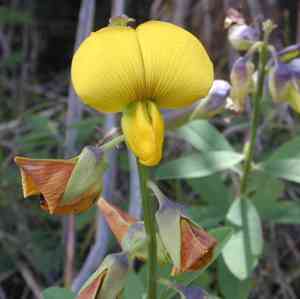
Creeping lespedeza (Lespedeza repens)
Also known as: Creeping Lespedeza, Creeping Bush Clover
Lespedeza repens, also known as creeping bush clover, trailing lespedeza, or creeping lespedeza, is a plant indigenous to the United States. In Connecticut, it carries the designation of a species of special concern, indicating it may require monitoring and protection. In New York, it is considered rare, highlighting its vulnerable status in the state.
In This Article
Attributes of Creeping lespedeza
Lifespan
Perennial
Plant Type
Herb
Plant Height
10-40 cm
Spread
30-60 cm
Leaf Color
Green
Flower Size
0.5-1.0 cm
Flower Color
Purple Pink
Images of Creeping lespedeza
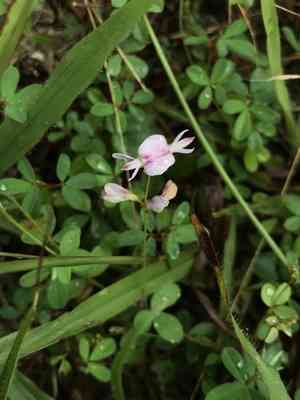
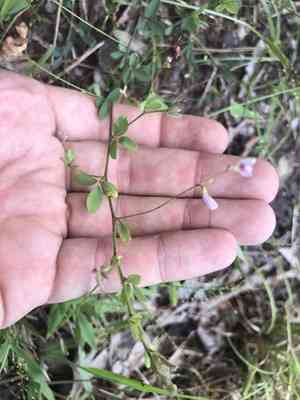
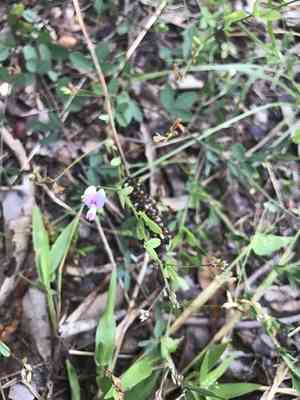
Quickly Identify Creeping lespedeza
1
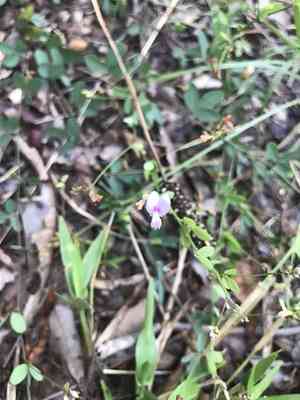
Lespedeza repens can be identified by its trailing or creeping growth habit, trifoliate leaves, each composed of three oblong leaflets, and small, pea-like flowers typically pink to white in color.
Scientific Classification of Creeping lespedeza
Phylum
Vascular plants
Class
Dicotyledons
Order
Fabales
Family
Legume
Genus
Bush clovers
Species
Creeping lespedeza
Planting and Growing of Creeping lespedeza
Care Difficulty
Easy
Watering Schedule
Every 8 days
Sunlight Requirements
Partial sun
Sunshine Duration
4-6 hours
Ideal Temperature
70-80℉
Soil Type
Potting Mix, Peat Mix
Soil pH
6.5-7.5
Fertilizer Type
Balanced
Pruning Season
Spring, Summer
Pruning Area
Branches, Leaves
Pruning Frequency
2 times a year
Repotting Season
Spring
Pot Type
Plastic, Ceramic
 How to Water Creeping lespedeza?
Lespedeza repens needs a moderate watering regime. Aim to provide around 250 ml of water per session to ensure the soil is evenly moist but not waterlogged. This ensures that the roots have access to moisture without sitting in overly wet conditions that can lead to root rot. Always adjust the amount based on temperature and humidity levels.
What are the symptoms of an underwatered Creeping lespedeza?
›
What should I do if my Creeping lespedeza is not getting enough water?
›
What are the symptoms of an overwatered Creeping lespedeza?
›
How to save an overwatered Creeping lespedeza?
›
 What Are the Sunlight Requirements for Creeping lespedeza?
Lespedeza repens ideally requires partial sun exposure. This balance of light ensures healthy foliage growth, enhanced blooming, and overall plant vigor by facilitating effective photosynthetic processes.
What are the ideal lighting conditions?
›
How can you provide ideal lighting?
›
What are the benefits of ideal lighting?
›
 What Is the Ideal Temperature Range for Creeping lespedeza?
Lespedeza repens thrives best within a temperature range of 70°F to 80°F. This range allows for optimal growth and flowering, providing the necessary warmth without the stress of excessive heat or the inhibition of cooler temperatures.
 What Soil is Best for Creeping lespedeza?
Lespedeza repens thrives in well-drained soil that prevents waterlogging. Such conditions ensure that the plant's roots remain healthy and free from rot, promoting robust growth and vibrant foliage. This plant benefits greatly from a nutrient-rich substrate that provides essential minerals. Such soil supports the plant's metabolic processes, leading to healthier plant development and increased flowering. A moderate level of moisture retention within the soil helps Lespedeza repens maintain hydration levels appropriate for its growth. This balance prevents drought stress but also avoids root issues related to excessive moisture.
 How to Fertilize Creeping lespedeza?
Lespedeza repens thrives with moderate fertility. Use a half-strength liquid fertilizer during the growing season. When applying slow-release granules, distribute them evenly around the plant's base, ideally at a rate of 1/2 cup per plant.
 How to Prune Creeping lespedeza?
Utilize sharp, clean pruning shears to make precise cuts. Dull tools can cause unnecessary damage to the plant tissues, leading to slow recovery and increased vulnerability to diseases. Begin by assessing the plant's natural shape. Remove any crossing, dead, or diseased branches first. Then, trim back the plant evenly to maintain an aesthetically pleasing, rounded shape, which can enhance its natural branching form. Opening up the center of the plant by removing some inner branches can improve air circulation and ensure that sunlight reaches the interior, reducing the risk of fungal infections and promoting even growth throughout. Avoid removing more than one-third of the plant’s foliage at any time. Over pruning can cause stress and reduce the plant’s ability to photosynthesize efficiently, leading to delayed recovery and stunted growth.
More About Pruning Techniques→
 How to Propagate Creeping lespedeza plant?
1
Choose a healthy Lespedeza repens plant as the parent for propagation. Avoid using plants with signs of disease or stress, as their cuttings or seeds might not develop well. Healthy plants have vigorous growth and vibrant leaf color.
2
Prepare a well-drained soil mixture suitable for Lespedeza repens, consisting of peat moss, perlite, and coarse sand. This mix provides adequate aeration and water retention, creating optimal conditions for seedling and cutting growth.
3
Take 4 to 6-inch stem cuttings using pruning shears. Strip the lower leaves, leaving just a few at the top. This reduces moisture loss through transpiration and encourages faster rooting when planted in the soil.
 How to Repot Creeping lespedeza plant?
1
Observe for signals such as roots emerging from the drainage holes or the soil drying out rapidly. These signs indicate that your Lespedeza repens needs more space for healthy growth. Ideally, repot during growing seasons like spring or early summer.
2
Select a pot that is one size larger than the current one, with adequate drainage holes. A slightly larger pot will prevent overwatering while allowing room for root expansion, ensuring a healthier plant with less likelihood of root rot.
3
Opt for a well-draining potting mix, rich with organic matter. Such a mix will provide necessary nutrients while ensuring proper drainage, preventing waterlogged conditions that could harm the roots.
Learn More About Creeping lespedeza Diseases
Anthracnose
Bacterial Leaf Spot
Bacterial Wilt
Crown Gall
Cyst Nematode
Damping-off
Downy Mildew
Drought Stress
Fusarium Wilt
Gray Mold
Leaf Spot
Mosaic
Nutrient Deficiency
Nutrient Toxicity
Powdery Mildew
Root Rot
Root-knot Nematode
Rusts
Sooty Mold
Spider Mites
Temperature Stress
Thrips Damage
White Mold



