How to Prune Hairy white-top?
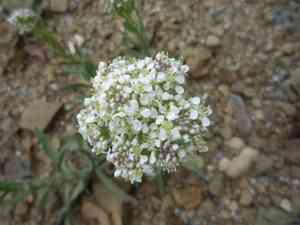
Hairy white-top, recognized by its pubescent leaves and prominent white flowers, is best pruned during the spring and summer seasons. This period coincides with active growth stages, facilitating more robust development and revitalization. Trim any deceased or excessively long branches to enhance air movement and light exposure, which are crucial for peak well-being. Consistent trimming also preserves its visual appeal and stops the plant from spreading aggressively, guaranteeing it stays a controllable and appealing feature in landscapes.
What Are the Benefits of Pruning Hairy White-top?
What Are the Benefits of Pruning Hairy White-top?
Trimming hairy white-top is essential for maintaining its dense, full shape and encouraging robust new development. Timely cuts help keep the plant compact and boost its overall vitality, preventing excessive growth and potential dominance in garden spaces.
What Is the Best Time for Pruning Hairy White-top?
What Is the Best Time for Pruning Hairy White-top?
Pruning hairy white-top during Spring and Summer is optimal due to the plant's active growth period in these seasons. Spring pruning promotes strong growth by removing old or dead stems, improving sunlight penetration and air circulation. Summer pruning, especially after the initial bloom, helps maintain form and manage size, preventing the spread of diseases common in warmer weather. Cutting back hairy white-top in these seasons helps avoid stress during its dormant phases, fostering healthier growth and flower production in the subsequent cycle.
What Tools Do I Need to Prune Hairy White-top?
Hand Pruners
Perfect for cutting stem thicknesses typical of hairy white-top. They allow for precise cuts, reducing plant damage.
Garden Shears
Useful for trimming and shaping the foliage of hairy white-top, especially when dealing with its extensive grassy and weedy characteristics.
Loppers
Required for reaching into denser, thicker areas of hairy white-top without harming the surrounding plant structure.
How to Prune Hairy White-top
Identify
Locate and remove all diseased and withered leaves from hairy white-top. Carefully inspect each leaf to ensure you are only taking off those showing clear signs of illness or decay.
Disinfect
Sanitize your pruning tools before and after trimming hairy white-top. This prevents the spread of diseases between different parts of the plant or to other plants. Use a solution of 1 part bleach to 9 parts water to sterilize your tools.
Cut
Sever diseased stems from hairy white-top. Make each cut at least an inch below the affected area to ensure all potentially infected parts are removed. Use sharp, clean pruning shears for precise cuts.
Disposal
Properly discard all removed diseased or withered leaves and stems. Do not compost as diseases might spread; instead, seal them in a plastic bag and dispose of them with household waste.
Monitor
Regularly observe hairy white-top after pruning for any indications of further disease. Early detection and removal can prevent widespread damage. Adjust care practices if frequent diseases occur.
Common Pruning Mistakes with Hairy White-top
Over-pruning
Cutting back too much of hairy white-top at once can stress the plant, potentially leading to weaker growth and reduced vigor. Aim to remove no more than one-third of the plant's total mass in a single pruning session.
Improper cut placement
Making cuts too far from a bud or node on hairy white-top may result in unsightly stubs that can attract pests and disease. Conversely, cutting too close to the bud can damage it, hindering new growth.
Ignoring health
Failing to remove dead, diseased, or damaged branches from hairy white-top not only looks unappealing but also poses a risk of spreading disease throughout the plant.
Common Pruning Tips for Hairy White-top
Clean and sharp tools
Using clean, sharp pruning shears ensures clean cuts that heal quickly, minimizing stress and the risk of disease for hairy white-top.
Prune for shape
Shape hairy white-top by selectively thinning out overgrown sections. This not only improves the plant's visual appeal but also enhances air circulation, which can help prevent the onset of diseases.
Watch for regrowth
After pruning, monitor hairy white-top's return growth carefully. This can guide future pruning efforts, showing which areas of the plant respond best to being cut back and which do not.



