How to Prune Sierra tidytips?
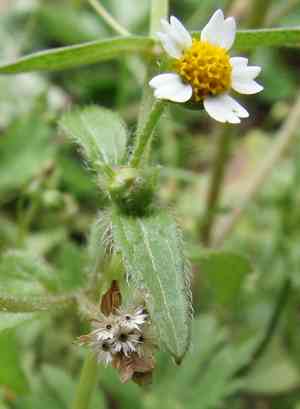
Sierra tidytips displays vibrant, daisy-shaped yellow and white blossoms. Perform trimming in early Spring, Summer, or Autumn to foster denser development and extend the flowering period. Regularly snip off dead or elongated stalks and discard faded blooms. Refrain from extensive cutting late in the season to avert plant strain prior to its dormant phase. Consistent trimming improves air circulation, lowers the likelihood of illness, and elevates the general well-being and look of sierra tidytips.
Advantages of Trimming Sierra Tidytips
Advantages of Trimming Sierra Tidytips
Pruning sierra tidytips encourages robust development and preserves its form. Consistent trimming aids in managing its dimensions and boosting its overall vitality, leading to a more vigorous and appealing display. Eliminating dead or diseased sections also enhances resistance to pests and illnesses.
Optimal Period for Pruning Sierra Tidytips
Optimal Period for Pruning Sierra Tidytips
Trimming sierra tidytips during Spring, Summer, and Fall ensures the plant's health and vitality. In Spring, pruning helps eliminate any damaged or deceased material, fostering new growth as the plant enters its active development phase. Summer pruning can assist in controlling size and shape, preventing leggy development and promoting a denser form. Fall pruning prepares sierra tidytips for winter by cutting back spent blooms and any excessively dense areas, allowing for improved air circulation and reducing disease risk. Avoid pruning in Winter when the plant is dormant, as this could cause unnecessary stress and potential harm.
Necessary Tools for Pruning Sierra Tidytips
Bypass pruners
Perfect for making precise cuts on living stems without crushing plant tissue.
Anvil pruners
Beneficial for removing dead or dry stems as they offer a stronger cut.
Hand scissors
Excellent for detailed tasks and trimming smaller, delicate plant sections.
Sterilizing solution
Crucial for cleaning tools between cuts to prevent the spread of pathogens.
Gloves
Shield hands from any rough or sharp plant parts and ensure a firm grip on implements.
How to Prune Sierra Tidytips
Identify
Inspect sierra tidytips to locate shriveled leaves. Ensure you only target those parts that are clearly deceased or unhealthy.
Prepare
Sanitize your pruning shears to prevent the spread of disease. This can be achieved using rubbing alcohol or a bleach and water solution.
Cut
Carefully trim the shriveled leaves close to the base without harming the surrounding healthy tissue. Make clean cuts to encourage healthy regrowth.
Dispose
Remove and properly discard the trimmed shriveled leaves. This prevents any potential pest or disease issues from spreading back to sierra tidytips.
Monitor
Regularly check sierra tidytips for additional shriveled leaves or other signs of distress. Continuous observation helps maintain the plant's overall health and appearance.
Common Pruning Errors with Sierra Tidytips
Improper technique
Using dull or unclean pruning tools can harm the plant and increase disease risk. It's vital to use sharp, sanitized tools for clean cuts.
Over-pruning
Removing too much of the plant at once can shock sierra tidytips and impede its growth. This species thrives with minimal pruning, focusing on maintaining its natural form.
Incorrect timing
Pruning at the wrong time can disrupt sierra tidytips's blooming cycle. Timing errors can lead to reduced flowering.
General Pruning Advice for Sierra Tidytips
Use clean tools
Always sanitize tools before and after pruning to prevent disease transmission. A mixture of one part bleach to nine parts water is effective for tool sterilization.
Prune sparsely
When pruning sierra tidytips, remove only the dead or damaged parts and any spent flowers. This will encourage new growth without stressing the plant.
Cut at an angle
Make cuts at a 45-degree angle to promote proper healing and water runoff. This technique helps prevent water from pooling on cut surfaces, reducing infection risk.
Inspect regularly
Regularly check sierra tidytips for any signs of pest infestation or disease. Early detection and pruning of affected areas can save the plant and promote healthier growth.



