How to Prune Caley pea?
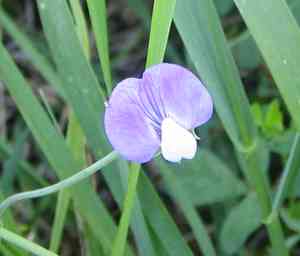
Distinguished by its vining nature and fuzzy seed casings, caley pea flourishes with consistent trimming to foster vigorous development and control its expansion. Essential pruning methods include cutting back after summer blooms to preserve its form, and eliminating lifeless or frail stalks. The most effective pruning period spans from late spring through autumn, coinciding with its developmental phase. Trimming caley pea can stimulate fresh growth and potentially avert excessive density, guaranteeing strong vitality and visual attractiveness.
What Are the Benefits of Pruning Caley Pea?
What Are the Benefits of Pruning Caley Pea?
Trimming caley pea promotes robust development and helps maintain its desired form. Regular cutting can eliminate old stalks, stimulate new shoots, enhance dense foliage, and improve plant structure.
What Is the Best Time for Pruning Caley Pea?
What Is the Best Time for Pruning Caley Pea?
Pruning in Spring aligns with caley pea's post-dormancy growth surge, allowing the plant to recover and grow vigorously after cutting back old growth. Late Summer and Early Fall pruning is beneficial because caley pea has finished its main blooming cycle by then, minimizing impact on flowers while shaping the plant for the coming year. These periods also avoid the stress of high heat and cold winters on caley pea's recovery, ensuring the plant remains healthy and strong.
What Tools Do I Need to Prune Caley Pea?
Hand Pruners
Caley pea is a vine plant, meaning it has a relatively soft stem that can be easily cut with hand pruners. They allow precise cuts necessary for shaping the plant without causing undue damage to the stems.
Garden Scissors
For thinner stems and precise trimming of caley pea, garden scissors are appropriate. They offer a delicate cut, ideal for deadheading or removing smaller, unwanted tendrils and leaves.
Pruning Saw
If caley pea has developed thicker, woodier stems, a pruning saw might be needed for clean cuts. These saws can handle larger branches that hand pruners or scissors cannot manage without straining or harming the plant.
How to Prune Caley Pea
Sanitization
Clean your pruning tools with disinfectant to prevent the spread of disease and pests to caley pea.
Selective trimming
Examine caley pea for withered leaves. Look for leaves that are discolored, dry, or shriveled.
Cutting technique
Using sharp pruning shears, snip withered leaves at the base of their stem, taking care not to damage healthy tissue.
Disposal
Remove the trimmed leaves from the area to decrease the chance of disease and pest infestation in caley pea.
Health assessment
After pruning, check caley pea for signs of stress or remaining dead foliage and address as necessary.
Common Pruning Mistakes with Caley Pea
Over pruning
Removing too much growth from caley pea can stress the plant, reduce flowering, and impede its natural shape.
Pruning too close
Cutting too close to the main stems or buds of caley pea may damage new growth points or emerging flowers.
Using dull tools
Pruning caley pea with dull tools can result in jagged cuts that are more susceptible to disease and pests.
Neglecting to remove dead material
Failing to clear away dead or diseased foliage from caley pea can hamper healthy growth and spread disease.
Disregarding plant structure
Not considering the natural growth habit of caley pea during pruning can lead to an unnatural appearance and harm the plantâs health.
Common Pruning Tips for Caley Pea
Sharp tools
Use clean, sharp pruning shears to make clean cuts on caley pea, which help reduce the risk of disease and pests.
Prune for air circulation
Thin out caley pea to enhance air circulation, which reduces the likelihood of fungal diseases and encourages strong growth.
Selective thinning
Selective removal of some stems of caley pea can encourage more prolific flowering and manage plant size without impacting its natural shape.
Timing on blooms
Prune caley pea promptly after flowering to shape the plant while avoiding damage to next season's blooms.
Clean up
After pruning caley pea, remove any debris from the area to prevent the occurrence of rot and the spread of disease.



