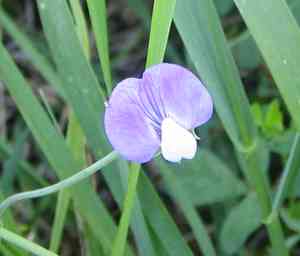
Caley pea (Lathyrus hirsutus)
Also known as: Austrian winterpea, Rough pea, Hairy singletary pea, Singletary peavine
Caley pea (Lathyrus hirsutus) is a wild legume indigenous to regions across Asia, Europe, and North Africa, and has been widely introduced in North America. It is noted for its delicate, fragrant flowers.
In This Article
Attributes of Caley pea
Lifespan
Annual
Plant Type
Herb
Plant Height
25 cm to 1 m
Spread
15 cm to 30 cm
Leaf Color
Green
Flower Size
1 cm to 1.5 cm
Flower Color
Purple Red
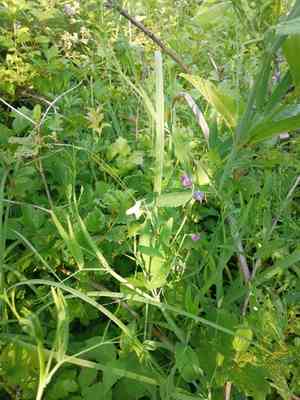
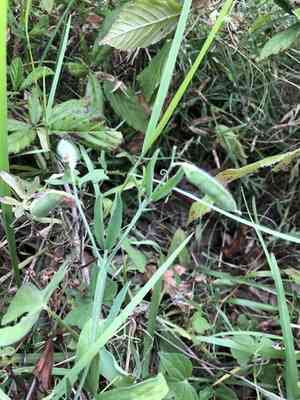
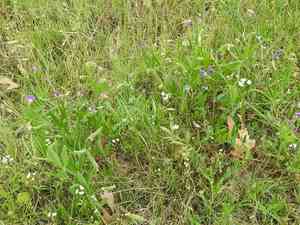
Images of Caley pea
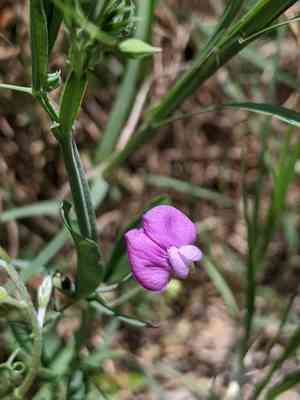
Quickly Identify Caley pea
1
Lathyrus hirsutus can be identified by its hairy stems, pinnate leaves with 2-4 pairs of leaflets, and the presence of tendrils. The flowers are typically blue or pinkish and have a pea-like appearance. The plant also produces flattened pods containing several seeds.
Scientific Classification of Caley pea
Phylum
Vascular plants
Class
Dicotyledons
Order
Fabales
Family
Legume
Genus
Peavines
Species
Caley pea
Planting and Growing of Caley pea
Care Difficulty
Easy
Watering Schedule
Every 3 days
Sunlight Requirements
Partial sun
Sunshine Duration
6-8 hours
Ideal Temperature
60-75℉
Soil Type
Potting Mix, Peat Mix
Soil pH
6.5-7.5
Fertilizer Type
Balanced
Pruning Season
Spring, Summer
Pruning Area
Branches, Leaves
Pruning Frequency
2 times a year
Repotting Season
Spring
Pot Type
Plastic, Ceramic
 How to Water Caley pea?
Water thoroughly until excess water drains out of the bottom. The aim is to moisten the entire soil without leaving waterlogged conditions, ensuring that the roots can breathe and have access to necessary nutrients.
What are the symptoms of an underwatered Caley pea?
›
What should I do if my Caley pea is not getting enough water?
›
What are the symptoms of an overwatered Caley pea?
›
How to save an overwatered Caley pea?
›
 What Are the Sunlight Requirements for Caley pea?
Lathyrus hirsutus prefers partial sun, ideally 4 to 6 hours of indirect sunlight daily. This lighting condition supports healthy growth, vibrant foliage, and bountiful flowering.
More About Sunlight Requirements Techniques→
What is the ideal lighting environment for Lathyrus hirsutus?
›
How can you achieve ideal lighting for Lathyrus hirsutus?
›
What benefits does proper lighting provide for Lathyrus hirsutus?
›
 What Is the Ideal Temperature Range for Caley pea?
The ideal temperature range for Lathyrus hirsutus, commonly known as 'hairy vetch', is between 60°F and 75°F. This range supports optimal growth and flowering by providing suitable warmth while preventing stress conditions.
 What Soil is Best for Caley pea?
Lathyrus hirsutus thrives best in well-draining soils that prevent water logging, which is crucial for avoiding root rot and promoting robust root health. Although not overly demanding, Lathyrus hirsutus prefers moderately fertile soils, which provide necessary nutrients without the risk of over-fertilization that could harm the plant's growth. While the soil must drain well, it should also retain adequate moisture, ensuring that the plant has a consistent water supply, preventing stress from drought conditions.
 How to Fertilize Caley pea?
For Lathyrus hirsutus, it's essential to start with a balanced fertilizer such as a 10-10-10. Use a diluted solution of liquid fertilizer, mixing approximately 5ml of fertilizer per 1 liter of water. When using slow-release granules, apply about 28 grams per square meter around the base of the plant.
 How to Prune Caley pea?
Begin by removing any dead or damaged stems, cutting them back to healthy parts. Trim to shape the plant by shortening longer stems and cutting back to a leaf joint. To encourage more flowers, trim back the flowering stems once the blossoms fade. This redirects the plant's energy into producing new buds and prolongs the flowering season. Regularly remove some interior stems to reduce overcrowding. This improves airflow and reduces the risk of disease, while allowing light to reach more parts of the plant.
More About Pruning Techniques→
 How to Propagate Caley pea plant?
1
Sow Lathyrus hirsutus seeds evenly on the surface of the seed tray filled with potting soil. Cover them lightly with a thin layer of soil to allow for adequate light penetration, promoting germination.
2
Keep the soil consistently moist but not waterlogged. Use a gentle spray or misting bottle to water the seeds, ensuring that the delicate seedlings are not dislodged.
3
Maintain a warm temperature between 18-22°C (65-72°F) to encourage germination. Consider using a seedling heat mat to maintain consistent warmth if growing indoors.
 How to Repot Caley pea plant?
1
Lathyrus hirsutus should be repotted when you observe roots coming out of drainage holes or the plant looking stunted. Spring and Autumn are ideal seasons, as milder temperatures minimize transplant shock.
2
Select a pot that is 1-2 inches larger in diameter than the current one. Ensure it has good drainage to prevent root rot, as excess water can quickly damage the Lathyrus hirsutus.
3
Opt for a well-draining, sandy loam soil. This soil type retains necessary moisture while allowing excess water to escape, providing the best environment for healthy root development.
Toxicity
Ingestion of seeds or plant parts
WARNING
The judgment on toxicity and danger is for reference only. We DO NOT GUARANTEE any accuracy of such judgment. Therefore, you SHALL NOT rely on such judgment. It is IMPORTANT TO SEEK PROFESSIONAL ADVICE in advance when necessary.
Learn More About Caley pea Diseases
Anthracnose
Bacterial Leaf Spot
Bacterial Soft Rot
Bacterial Wilt
Chemical Injury
Crown Gall
Cyst Nematode
Damping-off
Downy Mildew
Drought Stress
Fusarium Wilt
Gray Mold
Leaf Spot
Mosaic
Nutrient Deficiency
Nutrient Toxicity
Powdery Mildew
Root Rot
Root-knot Nematode
Rusts
Sooty Mold
Spider Mites
Temperature Stress
Thrips Damage
White Mold



