How to Prune Dahurian larch?
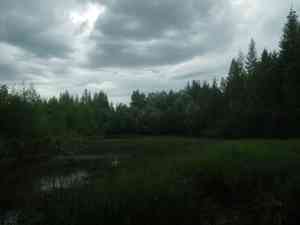
This deciduous conifer flourishes in chilly environments, characterized by its unique needle-like foliage. For dahurian larch, trimming is best performed in late winter or early spring prior to the appearance of new shoots. Appropriate methods involve excising dead or ailing limbs and reducing dense sections to improve light exposure and air movement. Timely pruning assists in preserving dahurian larch's conical form and encourages robust development. Refrain from extensive cutting to avert plant stress.
What Are the Benefits of Pruning Dahurian Larch?
What Are the Benefits of Pruning Dahurian Larch?
Trimming dahurian larch encourages robust development and helps maintain its desired form. By eliminating dead or crowded branches, dahurian larch can direct energy towards producing strong, healthy growth, ensuring a resilient framework and appealing shape.
What Is the Best Time for Pruning Dahurian Larch?
What Is the Best Time for Pruning Dahurian Larch?
Late winter and early spring are considered ideal times for pruning dahurian larch because the plant remains dormant during these periods. Pruning before the growth cycle begins allows dahurian larch to recover from cuts without diverting resources needed for spring growth, which could otherwise weaken new development. It also lowers the risk of pest and disease infestations, which are less active in colder weather. Furthermore, since dahurian larch lacks leaves, its branch structure is more visible, making strategic cuts easier. This timing helps conserve the plant's energy and ensures a vigorous growth period in the subsequent months.
What Tools Do I Need to Prune Dahurian Larch?
Bypass Pruners
Perfect for making clean cuts on young or slender branches of dahurian larch, allowing for accuracy and minimizing harm to the remaining branch tissue.
Loppers
Best for severing thicker branches that bypass pruners cannot manage, providing leverage and enabling gardeners to reach higher branches without overextending.
Pruning Saw
Essential for the largest branches of dahurian larch that loppers cannot cut through, ensuring a clean cut through thick wood without causing undue stress on the plant.
Pole Pruner
Useful for reaching elevated branches when pruning dahurian larch, as this species can grow tall, thereby avoiding the use of ladders for safety reasons.
Hedge Shears
Suitable for shaping the outer foliage of dahurian larch if creating a hedge or when dealing with numerous small, thin branches that require simultaneous trimming.
Pruning Gloves
Offer hand protection while pruning dahurian larch, ensuring the gardener avoids injury from sharp tools and rough branches.
How to Prune Dahurian Larch
Clean tools
Before pruning dahurian larch, sanitize pruning tools with a solution of one part bleach to nine parts water to prevent the spread of diseases.
Inspect
Examine dahurian larch to identify dead or diseased branches, which may appear discolored, shriveled, or with peeling bark.
Cut diseased branches
Prune diseased branches on dahurian larch by cutting at least several inches below the diseased wood, ensuring cuts are made on healthy, living tissue.
Cut dead branches
Remove dead branches from dahurian larch by cutting close to the trunk or main branch, without damaging the branch collar.
Disinfect
After each cut on a diseased branch of dahurian larch, disinfect pruning tools to avoid contaminating healthy parts of the plant.
Common Pruning Mistakes with Dahurian Larch
Overpruning
Removing too much foliage at once can stress dahurian larch, hindering its ability to photosynthesize and grow properly.
Improper cut location
Cutting too close to or too far from the main stem can harm dahurian larch, either by causing unnecessary wounds or leaving stubs that invite pests and disease.
Tearing bark
When pruning larger branches, if the proper technique is not used, the bark may tear, which can lead to disease and decay for dahurian larch.
Neglecting tool maintenance
Using dull or dirty pruning tools can result in jagged cuts that are difficult for dahurian larch to heal, increasing the risk of disease.
Random cutting
Cutting without a clear purpose or plan can lead to an unbalanced structure and may negatively impact the aesthetic and health of dahurian larch.
Common Pruning Tips for Dahurian Larch
Sharp tools
Always use clean and sharp pruning tools to make precise cuts on dahurian larch, which helps promote quick healing.
Three cut method
For larger branches, use the three-cut method to prevent bark from tearing: first undercutting the branch, then cutting it from the top further out, and finally cutting the stub cleanly next to the trunk.
Thinning
Perform thinning cuts to remove entire branches back to the trunk or a main limb, which improves light penetration and air circulation for dahurian larch.
Shaping
Dahurian larch has a natural conical shape; when shaping, prune with the natural form in mind to maintain the speciesâ characteristic appearance.
Branch structure
Focus on maintaining strong branch structure for dahurian larch by selectively removing competing leaders or branches that cross or rub against each other.



