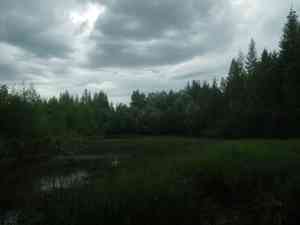
Dahurian larch (Larix gmelinii)
Also known as: Dahurian larch
The Dahurian larch (Larix gmelinii) stands out as the tree that grows the furthest north globally. Renowned for its remarkable cold tolerance, it can withstand temperatures plunging to -70 ℃. In Yakutia, Russia, a notable specimen has been documented to be 919 years old. However, it is challenging to cultivate as an ornamental plant due to its requirement for an extended winter dormancy period.
In This Article
Attributes of Dahurian larch
Lifespan
Perennial
Plant Type
Tree
Plant Height
12 m to 27 m
Spread
4.5 m to 9 m
Leaf Color
Yellow Green
Flower Size
Small, less than 1 cm
Flower Color
Yellow Purple Green
Images of Dahurian larch
Quickly Identify Dahurian larch
1
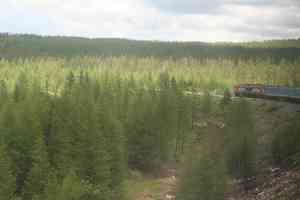
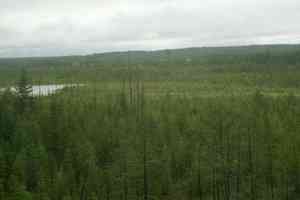
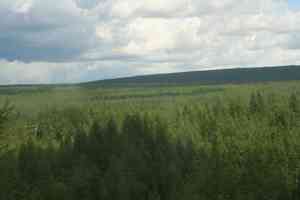
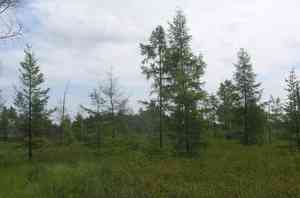
Larix gmelinii can be identified by its needle-like leaves, which turn yellow in autumn before shedding. It has a straight trunk and whorled branches. The cones are small and upright, which distinguish them from other conifers.
Scientific Classification of Dahurian larch
Phylum
Vascular plants
Class
Conifers
Order
Pinales
Family
Pine
Genus
Larches
Species
Dahurian larch
Planting and Growing of Dahurian larch
Care Difficulty
Easy
Watering Schedule
Every 2 days
Sunlight Requirements
Full sun
Sunshine Duration
4-8 hours
Ideal Temperature
50-68℉
Soil Type
Potting Mix, Peat Mix
Soil pH
5.5-7.5
Fertilizer Type
Balanced
Pruning Season
Spring, Summer
Pruning Area
Branches, Leaves
Pruning Frequency
2 times a year
Repotting Season
Spring
Pot Type
Plastic, Ceramic
 How to Water Dahurian larch?
Larix gmelinii requires moderate watering. Ensure the soil is moist but not soggy, as excessive water can lead to root rot. Water thoroughly until about 15% of the water drains out of the bottom of the pot.
What are the symptoms of an underwatered Dahurian larch?
›
What should I do if my Dahurian larch is not getting enough water?
›
What are the symptoms of an overwatered Dahurian larch?
›
How to save an overwatered Dahurian larch?
›
 What Are the Sunlight Requirements for Dahurian larch?
Larix gmelinii thrives in full sun conditions, receiving six to eight hours of sunlight daily. Ideal light promotes strong growth, healthy foliage, and enhances the plant's overall resilience to environmental stresses.
What is the preferred lighting condition?
›
Solutions to achieve ideal lighting?
›
Benefits of ideal lighting conditions?
›
 What Is the Ideal Temperature Range for Dahurian larch?
The ideal temperature range of 50 to 68°F provides Larix gmelinii with the conditions necessary for optimal photosynthesis and growth. In this range, the plant efficiently uses nutrients and water.
 What Soil is Best for Dahurian larch?
Dahurian Larch thrives in soils with good drainage. This characteristic prevents waterlogging, ensuring that roots receive adequate oxygen and reducing the risk of root rot, thereby promoting healthier growth. Rich in nutrients, the soil should support robust growth. Essential elements in nutrient-rich soil help the Larix gmelinii develop strong roots, healthier foliage, and a resilient structure against pests and diseases. While preferring well-drained soils, a moderate capacity for moisture retention allows this larch to obtain ample water without the risks associated with excessive moisture, crucial for sustaining growth during dry periods.
 How to Fertilize Dahurian larch?
For Larix gmelinii, it is recommended to apply about 150 grams of slow-release fertilizer each year during the growing season. This amount helps to provide a steady supply of nutrients without overwhelming the plant's root systems. Always ensure the fertilizer is spread evenly around the base and incorporated well into the soil.
 How to Prune Dahurian larch?
Begin by assembling necessary tools such as sharp pruning shears, loppers, and possibly a saw for larger branches. Ensuring your tools are clean and sharp will make the process easier and minimize the risk of disease. Take a step back and examine the overall shape of Larix gmelinii. Identify any dead, diseased, or crossing branches, as well as any branches that obstruct the natural shape of the tree. Begin by removing dead or diseased wood. Cut branches back to the nearest healthy bud, branch, or trunk. Focus on maintaining a balanced structure by evenly thinning the branches to allow sunlight and air to penetrate. After addressing damage, work on shaping the tree. Trim back long branches that disrupt the natural symmetry. Use step-back pruning, cutting some outer branches shorter to maintain a pleasing conical or pyramidal shape.
More About Pruning Techniques→
 How to Propagate Dahurian larch plant?
1
Collect seeds from mature Larix gmelinii cones during late autumn. Ensure the cones are dried properly to extract viable seeds before storage or planting.
2
Select healthy, disease-free branches for cuttings, ideally with green leaves. Use pruning shears for a clean cut and trim any excess leaves to reduce moisture loss.
3
Prepare rootstock and scion materials with good compatibility. Both should be similarly sized to ensure effective vascular connection, and ideally conducted in late spring.
 How to Repot Dahurian larch plant?
1
Larix gmelinii, also known as the Dahurian larch, shows its repotting needs most clearly through visible signs of root-bound conditions or stagnated growth. When its roots start circling the pot or the plant seems to stop thriving despite optimal conditions, repotting becomes essential.
2
Select a pot that is one size larger than the current one, ensuring adequate drainage holes. The proper pot maximizes space for root expansion and prevents waterlogging, which can lead to root rot, fostering healthier growth.
3
Opt for well-draining sandy loam soil that mimics the Dahurian larch's natural habitat. This soil mix provides essential nutrients while ensuring water does not accumulate around the roots, preventing root rot and promoting healthy growth.



