How to Prune Lamourouxia rhinanthifolia?
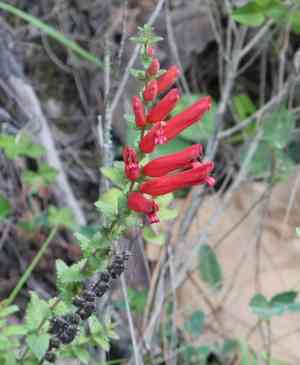
Lamourouxia rhinanthifolia is a visually impressive plant recognized for its vivid blossoms. Trimming lamourouxia rhinanthifolia is most effective in early spring or late winter to foster robust development and peak flowering. Eliminate any deceased or injured stalks and thin out congested sections to enhance air movement. Consistent trimming preserves the plant's form and stimulates abundant flowering. Focus particularly on removing any faded flowers, which can aid in redirecting the plant's vitality toward fresh development.
What Are the Benefits of Pruning Lamourouxia Rhinanthifolia?
What Are the Benefits of Pruning Lamourouxia Rhinanthifolia?
Trimming lamourouxia rhinanthifolia helps maintain its form and encourages robust development. It manages size, improves overall look, and fosters healthier, more resilient plants by decreasing vulnerability to pests and diseases.
What Is the Best Time for Pruning Lamourouxia Rhinanthifolia?
What Is the Best Time for Pruning Lamourouxia Rhinanthifolia?
Trimming lamourouxia rhinanthifolia in early spring or late winter is optimal as this period aligns with the plant's inactive phase. Pruning during dormancy lessens plant stress and minimizes disease spread via fresh cuts. Furthermore, this timing allows lamourouxia rhinanthifolia to direct energy towards new growth as it exits dormancy, leading to healthier, more vigorous development. Since lamourouxia rhinanthifolia is not actively growing, it can recover faster from pruning, ensuring peak health and structure.
What Tools Do I Need to Prune Lamourouxia Rhinanthifolia?
Bypass Pruners
Perfect for making precise cuts on live stems of lamourouxia rhinanthifolia. They ensure a clean cut without crushing plant tissue.
Pruning Shears
Useful for trimming smaller branches and stems of lamourouxia rhinanthifolia, promoting vigorous growth.
Loppers
Crucial for cutting thicker branches. These offer extra leverage for cleaner cuts on medium-sized branches of lamourouxia rhinanthifolia.
Pruning Saw
Most suitable for handling any larger branches that other tools might struggle with, ensuring clean and effective trimming of lamourouxia rhinanthifolia.
Anvil Pruners
Alternative choice for removing dead wood. They are especially effective when dealing with the thicker, lifeless stems of lamourouxia rhinanthifolia.
How to Prune Lamourouxia Rhinanthifolia
Identify
Thoroughly inspect lamourouxia rhinanthifolia to locate any diseased or withered foliage. These often show discoloration, curling, or visible tissue death.
Prepare tools
Gather and sanitize sharp pruning shears or scissors to prevent disease transmission to healthy parts of lamourouxia rhinanthifolia.
Remove diseased
Carefully trim away all diseased leaves by cutting them at the base of the leaf stalk, ensuring complete removal to prevent recurrence.
Remove withered
Cut off withered leaves at their point of attachment to the main stem. Make sure to make clean cuts to avoid damaging the plant.
Dispose debris
Properly discard all pruned material, ideally by burning or removing them from the garden area to prevent the spread of disease and pests.
Common Pruning Mistakes with Lamourouxia Rhinanthifolia
Over-pruning
A frequent error is cutting back too much of the plant at once. This can stress lamourouxia rhinanthifolia and hinder its growth and blooming potential.
Incorrect technique
Using dull or dirty tools can harm the plant. Additionally, making improper cuts, such as cutting too close to the main stem or at the wrong angle, can lead to disease and poor development.
Timing errors
Pruning at the wrong time of year can negatively impact lamourouxia rhinanthifolia's growth cycle and flowering. While this guide excludes seasonal information, it's vital to research or confirm the appropriate pruning period separately.
Common Pruning Tips for Lamourouxia Rhinanthifolia
Clean tools
Always use sharp, clean pruning shears to make precise cuts and reduce the risk of disease.
Target dead or damaged growth
Prioritize removing dead, diseased, or damaged branches to maintain the plant's health and encourage robust growth.
Prune for shape and airflow
Trim excess growth to maintain the desired shape of lamourouxia rhinanthifolia and improve air circulation through the plant, which helps prevent fungal infections.
Cut above a node
When making cuts, always prune just above a node (the point where leaves attach to stems) to encourage new growth.
Monitor and adjust
Regularly assess the plant's growth after pruning to determine if additional shaping or thinning is needed. This is particularly important for novice gardeners who may be less familiar with how lamourouxia rhinanthifolia responds to pruning.


