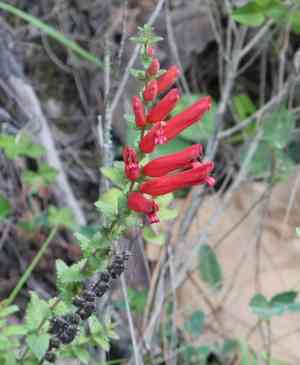
Lamourouxia rhinanthifolia (Lamourouxia rhinanthifolia)
Also known as: Lamourouxia, Mexican Snapdragon
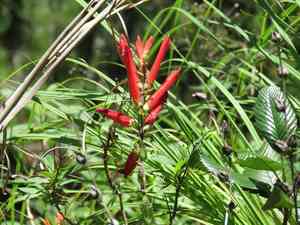
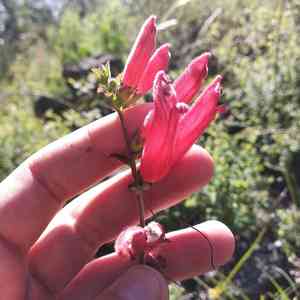
Lamourouxia rhinanthifolia is a striking flowering plant, boasting vibrant, tubular blooms that are often a fiery hue, resembling small snapdragons. Its foliage forms a lush backdrop of green, with leaves that may have a slightly coiled appearance. Thriving in sun-drenched locales, lamourouxia rhinanthifolia has adapted to attract pollinators with its vivid colors and unique floral shape, contributing to its survival in its native habitat.
In This Article
Attributes of Lamourouxia rhinanthifolia
Lifespan
Perennial
Plant Type
Herb
Plant Height
30-90 cm (1-3 feet)
Spread
N/A
Leaf Color
Green
Flower Size
2-3 cm (0.8-1.2 inches)
Flower Color
Bright red, orange
Images of Lamourouxia rhinanthifolia
Quickly Identify Lamourouxia rhinanthifolia
1
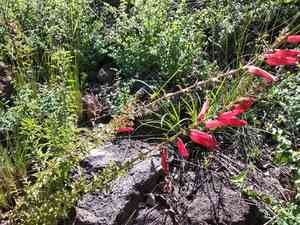
Lamourouxia rhinanthifolia can be identified by its tubular flowers, which are often bright red or orange, and its lance-shaped leaves with serrated margins. The plant typically grows in rocky, well-drained soils and tends to bloom during the late summer to early fall.
Scientific Classification of Lamourouxia rhinanthifolia
Phylum
Vascular plants
Class
Dicotyledons
Order
Lamiales
Family
Broomrape
Genus
Lamourouxia
Species
Lamourouxia rhinanthifolia
Planting and Growing of Lamourouxia rhinanthifolia
Care Difficulty
Hard
Watering Schedule
Every 3 days
Sunlight Requirements
Partial sun
Sunshine Duration
4-8 hours
Ideal Temperature
65-75℉
Soil Type
Potting Mix, Peat Mix
Soil pH
6.5-7.5
Fertilizer Type
Balanced
Pruning Season
Spring, Summer
Pruning Area
Branches, Leaves
Pruning Frequency
2 times a year
Repotting Season
Spring
Pot Type
Plastic, Ceramic
 How to Water Lamourouxia rhinanthifolia?
For Lamourouxia rhinanthifolia, water should be provided adequately to ensure that the soil remains evenly moist yet not soggy. The principle is to water until the soil is moistened about 5 to 7 inches deep, which usually translates to approximately 250 ml per watering session. This makes sure the roots get the adequate moisture they require without drowning.
What are the symptoms of an underwatered Lamourouxia rhinanthifolia?
›
What should I do if my Lamourouxia rhinanthifolia is not getting enough water?
›
What are the symptoms of an overwatered Lamourouxia rhinanthifolia?
›
How to save an overwatered Lamourouxia rhinanthifolia?
›
 What Are the Sunlight Requirements for Lamourouxia rhinanthifolia?
Partial sun conditions benefit Lamourouxia rhinanthifolia by providing enough light for photosynthesis while minimizing heat stress. This balance results in healthy foliage and substantial flowering.
What is the best light for Lamourouxia rhinanthifolia?
›
How can you provide ideal light conditions?
›
What happens when Lamourouxia rhinanthifolia gets ideal lighting?
›
 What Is the Ideal Temperature Range for Lamourouxia rhinanthifolia?
For optimal growth, Lamourouxia rhinanthifolia thrives best in temperatures between 65°F to 75°F. This range ensures the plant receives the warmth it needs without encountering stress. It helps in promoting healthy photosynthesis and nutrient uptake, facilitating robust flowering and foliage development.
 What Soil is Best for Lamourouxia rhinanthifolia?
Lamourouxia rhinanthifolia thrives in nutrient-rich soil, which ensures it gets all the essential minerals needed for growth. A fertile environment facilitates robust foliage and vibrant blooms, enhancing the plant's overall health and visual appeal. Good drainage is crucial for preventing root rot, a common issue in overly moist soils. This plant benefits from soil that allows excess water to escape easily, thus promoting healthy root development and reducing susceptibility to disease. Incorporating organic matter like compost into the soil improves its texture and nutrient content. This amendment supports microbial activity, which further enriches the soil, aiding Lamourouxia rhinanthifolia in maintaining lush growth.
 How to Fertilize Lamourouxia rhinanthifolia?
For Lamourouxia rhinanthifolia, use a diluted liquid fertilizer at half strength, ensuring each plant receives approximately 200ml of this solution. Over-fertilization can lead to root damage, so it's crucial to measure carefully and avoid excessive application.
 How to Prune Lamourouxia rhinanthifolia?
Before beginning, carefully examine your Lamourouxia rhinanthifolia for any dead, damaged, or diseased branches. These should be the first to be removed to prevent the spread of any disease. Make cuts just above a node or a bud to stimulate new growth. Ensure the cuts are clean and angled slightly to prevent moisture from sitting on the cut surface, which helps reduce disease risk. Trim branches to achieve your desired shape, but also focus on ensuring good air circulation within the plant. This reduces the potential for fungal issues and keeps the plant vibrant. Dispose of any cut branches or leaves properly. Avoid leaving them around the plant as they can harbor pests or diseases that may infect the healthy parts of the plant.
More About Pruning Techniques→
 How to Propagate Lamourouxia rhinanthifolia plant?
1
Collect mature seeds from the plant when the seed pods start to dry up. Ensure that the seeds are completely dry before storing them in a cool, dry place until you’re ready to sow.
2
Select healthy, disease-free branches from the parent plant. Cut them into segments of 4-6 inches, ensuring each has at least one node, as this will encourage root growth.
3
Sow the seeds lightly covered with soil in seed starting trays, or insert cuttings into a well-draining planting medium. Ensure that the medium is kept moist but not waterlogged.
 How to Repot Lamourouxia rhinanthifolia plant?
1
Identify the signs that signal it's time for repotting Lamourouxia rhinanthifolia. If the roots are visibly circling the bottom or emerging from drainage holes, it's shouting for more room. Growth might slow down, and water could be draining too quickly, indicating a pot-bound situation. These are your cues to plan for a repotting session during its active growth periods.
2
Select a pot that's just one size larger, usually 1-2 inches in diameter than the current one. This will offer ample space for root expansion without causing the soil to retain excess moisture, which leads to root rot. Opt for pots with drainage holes to ensure excess water has an escape route, keeping the roots healthy in the long run.
3
Go for a well-draining, loamy soil mix enriched with organic matter. This setup will anchor the plant securely while ensuring it doesn't sit in soggy soil, which Lamourouxia rhinanthifolia detests. The right soil promotes healthy growth, allowing air circulation around roots, mimicking its natural habitat.


