How to Prune Indian lettuce?
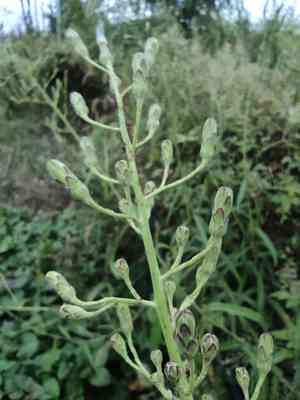
Flourishing across diverse environments, indian lettuce is valued for its delicate foliage utilized in salads. To ensure robust development, trim indian lettuce by eliminating withered or discolored leaves at any point. During spring through autumn, pinch off the ends to foster a denser form and inhibit seed development, thereby prioritizing leaf generation over blooming. Trimming prior to the emergence of flower stalks is vital for leaf output, given that indian lettuce's flavor diminishes after it goes to seed. Consistent pruning additionally aids in controlling the plant's dimensions and vitality.
Advantages of Trimming Indian Lettuce
Advantages of Trimming Indian Lettuce
Trimming indian lettuce promotes robust development and maintains its form. By eliminating overgrown or lifeless foliage, indian lettuce can allocate more energy to producing fresh, healthy leaves. Consistent trimming helps manage indian lettuce's size, ensuring it fits its space without dominating it.
Optimal Time for Trimming Indian Lettuce
Optimal Time for Trimming Indian Lettuce
Trimming in late Spring coincides with the period after frost when indian lettuce emerges from dormancy and begins new growth, reducing plant stress and fostering healthy development. Early Summer is perfect for removing spent blooms and encouraging further vegetative growth. Early Fall trimming ensures indian lettuce is shaped and excess growth is removed before dormancy, preventing energy depletion needed for overwintering. These seasons ensure trimming avoids major growth spurts or peak flowering times, maximizing health and productivity.
Necessary Tools for Trimming Indian Lettuce
Bypass Pruners
Excellent for making clean cuts on indian lettuce; bypass pruners are less likely to harm delicate stems.
Garden Shears
Indian lettuce often requires trimming to encourage a bushier habit. Garden shears are effective for quickly shaping the plant and removing multiple leaves simultaneously.
Snips
For precise harvesting or deadheading indian lettuce, snips offer control and are gentle on the plant's tender foliage.
Pruning Saw
Generally not needed for indian lettuce, but can be used for removing thick, woody stems if the plant has grown extensively.
Gloves
Protect hands when trimming indian lettuce, as repeated contact with foliage might cause irritation for sensitive individuals.
How to Trim Indian Lettuce
Identify
Examine indian lettuce for withered leaves that are brown, yellowed, or appear unhealthy. These are the parts of the plant that will need to be removed.
Sanitize
Sterilize the pruning shears with alcohol or a bleach solution to prevent the spread of diseases to indian lettuce.
Cut
Using the sanitized shears, carefully trim the withered leaves at the base of the stem. Ensure cuts are made at a slight angle to promote better healing and avoid damaging healthy parts of indian lettuce.
Dispose
Discard the removed withered leaves to prevent potential spread of pests or diseases among indian lettuce or other plants nearby.
Monitor
After trimming, observe indian lettuce for new growth and additional withered leaves that may require future trimming to maintain the plant's health and appearance.
Common Trimming Errors with Indian Lettuce
Excessive Trimming
Removing too much foliage at once can stress indian lettuce, leading to reduced vigor or even plant death. It's important to only trim what's necessary for the plant's health and shape.
Incorrect Technique
Failure to use clean, sharp tools can cause ragged cuts that harm indian lettuce and leave it vulnerable to diseases. It's crucial to make clean cuts that heal quickly.
Ignoring Dead Material
Not regularly removing dead or diseased leaves and stems can hinder indian lettuce's growth and can attract pests and diseases into the garden.
Cutting Too Close
Cutting too close to the main stem or 'collar' risks damage to indian lettuce, potentially stunting its growth. Leaving a little space encourages proper healing.
Neglecting Shape
Failing to consider indian lettuce's natural shape during trimming may result in an unbalanced or unnatural appearance, affecting not only aesthetics but also healthy growth.
General Trimming Advice for Indian Lettuce
Sanitation
Disinfect trimming tools before and after use to prevent the spread of disease to or from indian lettuce. This is a best practice for maintaining plant health.
Appropriate Cuts
Make angled cuts above leaf nodes to encourage new growth in indian lettuce. Aim for a 45-degree angle to prevent water accumulation and potential rot.
Regular Maintenance
Regularly inspect indian lettuce for dead or yellowing leaves and remove them promptly to maintain the plant's health and appearance.
Thin Out
Thin out crowded areas to improve air circulation and light penetration for indian lettuce, which is essential for preventing disease and promoting robust growth.



