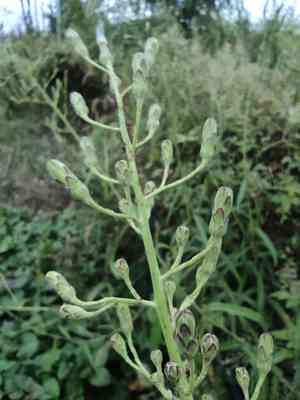
Indian lettuce (Lactuca indica)
Also known as: Indian Lettuce, Bitter Lettuce
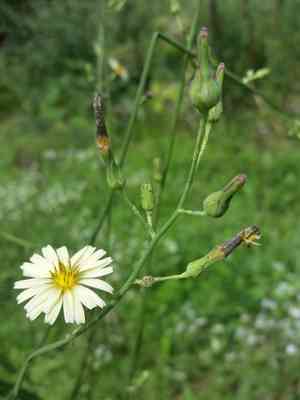
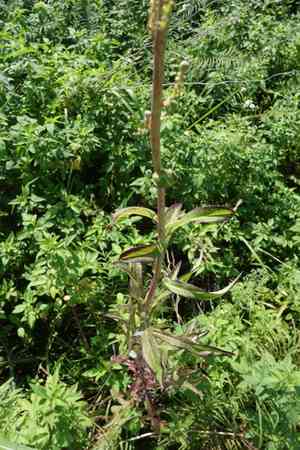
The plant in question can reach heights of up to 2 meters and features large, soft leaves with a matte finish. In its early stage, it forms a basal rosette of leaves close to the ground. As it matures, it develops a tall, upright stem topped with a flowering spike. This plant blooms from late spring through early autumn, showcasing small, pale yellow flowers approximately 2 cm across. These flowers are composed of petal-like structures that resemble tongues. The seeds it produces are lightweight and fluffy, similar to those of a dandelion, aiding in wind dispersal.
In This Article
Attributes of Indian lettuce
Lifespan
Annual, Biennial, Perennial
Plant Type
Herb
Plant Height
40 cm to 2 m
Spread
Varies, typically less than 1 meter
Leaf Color
Green
Flower Size
5 mm to 7 mm
Flower Color
White Yellow
Images of Indian lettuce
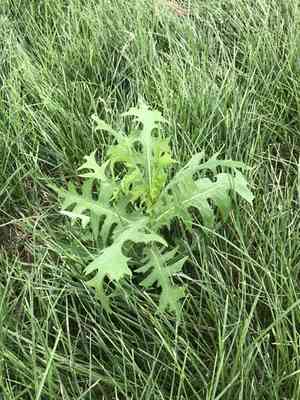
Quickly Identify Indian lettuce
1
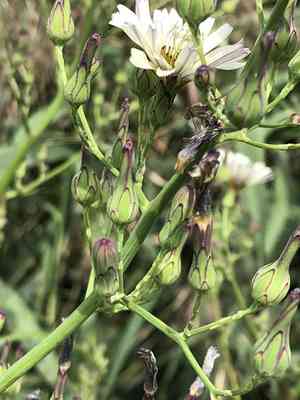
Lactuca indica can be identified by its tall, upright stems, often reaching heights of 1 to 2 meters. The leaves are large, deeply lobed, and can be slightly bitter to the taste. The plant produces small, yellow flowers that are characteristic of the Asteraceae family.
Scientific Classification of Indian lettuce
Phylum
Vascular plants
Class
Dicotyledons
Order
Asterales
Family
Daisy
Genus
Lactuca
Species
Indian lettuce
Planting and Growing of Indian lettuce
Care Difficulty
Easy
Watering Schedule
Every 4 days
Sunlight Requirements
Partial sun
Sunshine Duration
4-6 hours
Ideal Temperature
60-77℉
Soil Type
Potting Mix, Peat Mix
Soil pH
6-7.5
Fertilizer Type
Balanced
Pruning Season
Spring, Summer
Pruning Area
Branches, Leaves
Pruning Frequency
2 times a year
Repotting Season
Spring
Pot Type
Plastic, Ceramic
 How to Water Indian lettuce?
Lactuca indica requires a moderate amount of water, approximately 250 milliliters per session. This quantity should ensure the soil is moist but not waterlogged, promoting healthy root development. The key is to allow the top inch of soil to dry out between waterings, ensuring the roots receive adequate oxygen without excess moisture.
What are the symptoms of an underwatered Indian lettuce?
›
What should I do if my Indian lettuce is not getting enough water?
›
What are the symptoms of an overwatered Indian lettuce?
›
How to save an overwatered Indian lettuce?
›
 What Are the Sunlight Requirements for Indian lettuce?
Partial sun exposure allows Lactuca indica to maintain healthy growth and optimizes its photosynthetic process, supporting overall plant vitality and fostering robust flowering.
More About Sunlight Requirements Techniques→
Why does Lactuca indica prefer partial sun?
›
How can you achieve ideal lighting for Lactuca indica?
›
What are the benefits of ideal lighting for Lactuca indica?
›
 What Is the Ideal Temperature Range for Indian lettuce?
The ideal temperature range for growing Lactuca indica is between 60°F and 77°F. These conditions provide the best environment for optimal growth and development. Within this range, the plant maintains healthy foliage and robust growth patterns, leading to a better yield and quality.
 What Soil is Best for Indian lettuce?
Lactuca indica thrives in nutrient-rich soil that provides ample amounts of nitrogen, phosphorus, and potassium. These nutrients promote robust leaf growth and overall plant health, ensuring vibrant and healthy foliage. The plant prefers well-draining soil to prevent root rot and waterlogging. Good drainage allows excess water to escape while retaining enough moisture for the roots, supporting healthy plant development. Lactuca indica performs best in slightly acidic to neutral soil with a pH range of 6.0 to 7.5. This pH balance enhances nutrient availability and absorption, optimizing plant growth.
 How to Fertilize Indian lettuce?
The ideal amount of fertilizer for Lactuca indica should be moderate but consistent, as excessive nutrients can lead to poor plant health. Use a balanced all-purpose liquid fertilizer, diluted to half the recommended strength, sparingly during the growing season.
 How to Prune Indian lettuce?
Begin the pruning process by removing any dead or diseased leaves. This helps to focus the plant's energy on healthy growth and prevents the spread of pathogens. Cut the leaves back to the base of the plant, ensuring a clean, neat appearance. Once the unhealthy parts are removed, you can focus on shaping your Lactuca indica. Trim back overgrown stems to encourage a bushier appearance and to maintain the desired size of the plant. Aim for an even, balanced shape to make it aesthetically pleasing.
More About Pruning Techniques→
 How to Propagate Indian lettuce plant?
1
Start by soaking the Lactuca indica seeds in warm water for a few hours. This helps soften the seed coat, promoting quicker germination. After soaking, place the seeds on a seed tray filled with a well-draining seed starting mix.
2
Select a healthy, robust stem from the parent plant and make a clean cut using sterilized secateurs. Each cutting should be around 4-6 inches long and should ideally contain a few nodes for optimal rooting.
3
For division propagation, gently remove the plant from its container or ground and carefully divide the root system into several sections using a sharp knife. Ensure each section has a healthy number of roots and shoots.
 How to Repot Indian lettuce plant?
1
Lactuca indica shows signs of needing repotting when its roots start peeking through drainage holes, the growth appears stunted, or water seems to drain too quickly. The ideal time to repot is during Spring or early Summer, ensuring the plant has ample time to acclimatize before the growing season peaks.
2
Select a pot that is approximately 1-2 inches wider in diameter than the current one to give roots room to expand. Ensure the pot has good drainage to prevent waterlogging, which can stunt growth and cause root rot. Using a breathable material like terracotta can also help with moisture regulation.
3
Opt for a soil mix that is rich in organic matter and offers good drainage. Incorporate perlite or vermiculite to improve soil aeration which is beneficial for root development. Such a mix supports healthy growth and helps prevent water-related stress for Lactuca indica.
Learn More About Indian lettuce Diseases
Anthracnose
Bacterial Leaf Spot
Bacterial Soft Rot
Bacterial Wilt
Chemical Injury
Damping-off
Downy Mildew
Drought Stress
Fusarium Wilt
Gray Mold
Leaf Spot
Mosaic
Nutrient Deficiency
Nutrient Toxicity
Powdery Mildew
Root Rot
Root-knot Nematode
Rusts
Sooty Mold
Spider Mites
Temperature Stress
Thrips Damage
White Mold



