How to Prune Scotch laburnum?
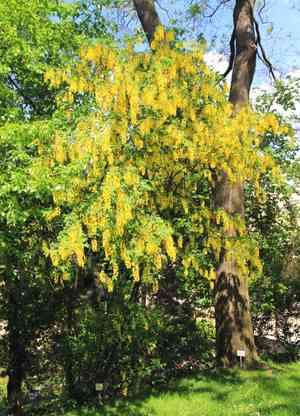
This leafy tree is recognized for its drooping yellow blossoms resembling peas. For scotch laburnum, trimming ought to concentrate on eliminating lifeless or ailing wood, reducing congested limbs, and forming the tree in late winter or early spring prior to flowering. Pruning while dormant lessens sap leakage and encourages robust development. Consistent trimming preserves the tree's visual appeal and well-being, enhancing air movement and lowering the chance of illness.
What Are the Benefits of Pruning Scotch Laburnum?
What Are the Benefits of Pruning Scotch Laburnum?
Trimming scotch laburnum promotes robust development and helps maintain its desired form. It aids in stimulating new growth, which can boost the plant's vigor and aesthetic appeal.
What Is the Best Time for Pruning Scotch Laburnum?
What Is the Best Time for Pruning Scotch Laburnum?
Pruning or trimming scotch laburnum during late winter or early spring aligns with the plant's dormant period, preceding its active growth phase. Pruning at these times minimizes stress on scotch laburnum, lowers the risk of disease, and ensures quick recovery. It also helps preserve the plant's shape and vitality, while removing dead or diseased wood before new growth emerges. These periods avoid the peak sap flow, which could cause excessive bleeding if pruned later. Furthermore, since scotch laburnum flowers on old wood, pruning after blooming would remove developing buds, thus early spring pruning allows for the preservation of its flowering potential.
What Tools Do I Need to Prune Scotch Laburnum?
Bypass Pruners
For making clean cuts on young, live branches of scotch laburnum up to 1/2 inch thick. The blades cross each other like scissors, providing a precise cut without crushing plant tissues.
Loppers
For cutting branches between 1/2 inch and 1 1/2 inches thick, loppers offer greater leverage and reach. This is essential for pruning the thicker, mature branches of scotch laburnum without strain.
Pruning Saw
For removing branches over 1 1/2 inches thick, which are common in scotch laburnum as it matures. A pruning saw creates cleaner cuts on large branches and prevents damage to the plant.
Hedge Shears
For shaping the canopy of scotch laburnum if a more formal appearance is desired. Hedge shears are useful for creating straight, even lines when trimming multiple small branches simultaneously.
Pole Pruner
When scotch laburnum reaches significant heights and it's unsafe or impractical to use a ladder, a pole pruner allows for the removal of higher branches from the ground.
How to Prune Scotch Laburnum
Identify
Inspect scotch laburnum thoroughly to locate all dead and diseased branches. These are typically characterized by signs of decay, discoloration, or a lack of healthy buds.
Sanitize
Before cutting, sanitize pruning tools with a solution of 1 part bleach to 9 parts water to prevent the spread of disease.
Cut dead branches
Using sharp, clean pruning shears, cut dead branches just above a healthy bud or lateral branch. Make the cut at a 45-degree angle to facilitate water runoff and prevent disease.
Remove diseased branches
Prune diseased branches by cutting well below the affected area, ensuring you remove any parts that show signs of infection to halt any further spread.
Dispose
Dispose of all removed material far from healthy scotch laburnum plants or compost to avoid recontamination. Never leave diseased clippings on the ground as they can harbor pathogens.
Common Pruning Mistakes with Scotch Laburnum
Over-pruning
Removing too much growth at once can stress scotch laburnum, leading to a weakened structure and making the plant more susceptible to diseases or poor growth. Aim to remove no more than a third of the growth in a single pruning session.
Improper cut location
Cuts made too far from a bud can result in dead stubs, while cuts too close can damage the bud. Cut just above a bud, leaving about a quarter inch to promote healthy regrowth.
Ignoring disease or damage
Not removing dead, diseased, or damaged branches can threaten the overall health of scotch laburnum. These should be the first to go when pruning.
Neglecting tool hygiene
Using dirty pruning tools can spread disease between plants. Clean and disinfect tools before moving to another plant or after cutting diseased material.
Pruning without a plan
Random or excessive cutting without understanding the growth pattern of scotch laburnum can result in an undesirable shape or reduced flowering. Always have a clear goal before making each cut.
Common Pruning Tips for Scotch Laburnum
Selective thinning
Remove select branches to increase light and air flow within the canopy of scotch laburnum. This technique encourages healthy growth and reduces the risk of disease.
Pruning for shape
Maintain the natural shape of scotch laburnum by following its growth habit when pruning. Make cuts that enhance the plant's structure and symmetry.
Encouraging flowering
Since scotch laburnum blooms on old wood, prune immediately after flowering to avoid cutting off next year's buds. Remove spent flowers and any overgrown or crossed branches to promote better blooms.
Cuts at an angle
Make cuts at a 45-degree angle about one-quarter inch above outward-facing buds to encourage growth in a desirable direction and prevent water accumulation on the cut surface, which can lead to rot.
Rejuvenation pruning
If scotch laburnum is old or overgrown, consider more aggressive pruning to rejuvenate the plant. This involves cutting back a significant amount of the plant's growth, but it should be done over several seasons.



