How to Prune Littleleaf ratany?
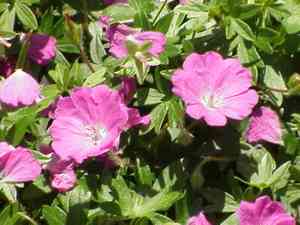
To preserve the vitality and structure of littleleaf ratany, a compact shrub featuring vivid pink blossoms, perform pruning in late winter or early spring prior to the emergence of new shoots. Eliminate any deceased or compromised wood and thin out congested branches to enhance air movement. Reducing the plant by one-third stimulates vigorous development and boosts floral production. Exercise restraint when pruning; excessive trimming can disrupt its inherent shape and diminish the number of flowers. Consistent pruning additionally deters the proliferation of common pests and ailments associated with dense foliage.
What Are the Benefits of Pruning Littleleaf Ratany?
What Are the Benefits of Pruning Littleleaf Ratany?
Trimming littleleaf ratany promotes robust development and maintains its desired form. Regular cutting fosters a strong structure, ensuring littleleaf ratany remains an appealing, compact specimen in the garden.
What Is the Best Time for Pruning Littleleaf Ratany?
What Is the Best Time for Pruning Littleleaf Ratany?
Pruning littleleaf ratany in late winter or early spring is ideal as it coincides with littleleaf ratany's dormant phase, just before new growth begins. This timing minimizes plant stress, prevents sap loss common during active growth, and encourages vigorous development as temperatures rise. Furthermore, removing dead or damaged wood at this point helps prevent disease and pests from affecting the plant when it's most vulnerable. Trimming before spring also allows gardeners to shape littleleaf ratany without disrupting its blooming cycle, as flowers typically appear after new growth in spring.
What Tools Do I Need to Prune Littleleaf Ratany?
Hand Pruners
For precise cuts and shaping littleleaf ratany, sharp, bypass hand pruners are perfect. These allow for clean cuts that heal quickly, minimizing harm to the plant.
Pruning Saws
If littleleaf ratany has any thicker, mature branches or stems requiring removal, a small pruning saw is effective. This tool enables cutting without causing excessive stress to the remaining plant structure.
Loppers
For branches too thick for hand pruners but not thick enough for a saw, loppers provide a good compromise. They offer the leverage needed to cut through medium-sized stems easily, ensuring quick work when pruning littleleaf ratany.
Gloves
High-quality gardening gloves are crucial to protect the gardener's hands from thorns and rough plant material while pruning littleleaf ratany.
How to Prune Littleleaf Ratany
Identify diseased and dead material
Examine littleleaf ratany for any diseased leaves, withered foliage, dead branches, and infected stems. Look for discoloration, unusual spots, or signs of decay.
Sanitation
Before starting, sterilize pruning tools with a 10% bleach solution or rubbing alcohol to prevent spreading infections to healthy parts of littleleaf ratany.
Prune diseased material
Carefully remove all identified diseased and withered leaves, along with dead and infected branches. Make clean cuts close to the base of the affected leaves and branches without harming healthy tissue.
Shape plant
Trim littleleaf ratany to maintain its natural form. Focus on selectively cutting back overgrown branches to improve air circulation and light penetration, ensuring not to remove more than one-third of the plant at a time.
Cleanup
Properly dispose of the removed plant material, away from healthy plants to minimize the risk of disease spread. Clean the tools again after pruning littleleaf ratany.
Common Pruning Mistakes with Littleleaf Ratany
Overpruning
Removing too much foliage from littleleaf ratany in one session can stress the plant, hindering its growth and reducing its vigor.
Uneven pruning
Failing to prune littleleaf ratany symmetrically can result in an unbalanced shape, negatively impacting the plant's appearance and potentially its health.
Improper cut placement
Making cuts too far from or too close to the nodes on littleleaf ratany's branches can either leave unsightly stubs or damage the nodes, inhibiting new growth.
Using blunt tools
Pruning littleleaf ratany with dull tools can cause jagged cuts that are more susceptible to disease and may harm the plant.
Neglecting sanitation
Not sterilizing pruning tools before use on littleleaf ratany may spread pathogens and infestations to the plant from previously trimmed flora.
Common Pruning Tips for Littleleaf Ratany
Clean cuts
Use sharp, sanitized pruning shears for littleleaf ratany to make clean, straight cuts that will heal quickly and reduce the risk of disease.
Node awareness
Prune branches of littleleaf ratany just above leaf nodes where growth is desired. This encourages the development of new, healthy shoots.
Considerate shaping
Shape littleleaf ratany by evenly distributing cuts across the plant to encourage a more natural growth pattern and maintain a pleasing aesthetic.
Conservative approach
Err on the side of caution by pruning no more than one-third of littleleaf ratany's total growth to avoid overstressing the plant.
Judicious thinning
Thin out the inner branches of littleleaf ratany to improve air circulation and sun exposure, which helps prevent disease and promotes more robust growth.



