How to Prune African sausage tree?
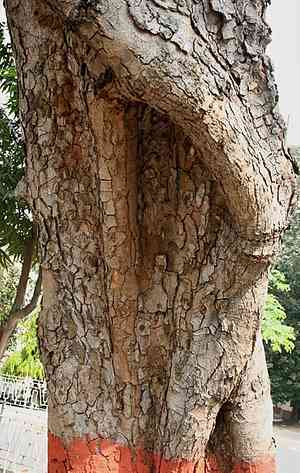
Distinguished by its substantial, ligneous fruit and broad canopy, the african sausage tree necessitates meticulous trimming to preserve its vitality and form. Eliminate deceased or compromised branches and reduce crowded sections to enhance airflow. Pruning is ideally performed in winter while the tree is inactive to lessen strain and sap leakage. This facilitates superior wound recovery, stimulates fresh development in spring, and upholds the tree's characteristic silhouette. Consistent pruning additionally averts limb fracturing due to the fruit's mass.
What Are the Benefits of Pruning African Sausage Tree?
What Are the Benefits of Pruning African Sausage Tree?
Consistent trimming of african sausage tree promotes robust development and helps maintain its characteristic form. Strategic cutting back can foster a healthier framework and prevent excessive growth, which is crucial for both visual appeal and safety.
What Is the Best Time for Pruning African Sausage Tree?
What Is the Best Time for Pruning African Sausage Tree?
Trimming african sausage tree in late winter is considered advantageous as it is largely inactive during this period. This timing minimizes plant stress, allows for better wound recovery, and prepares it for vigorous spring growth. Pruning before the spring growth surge ensures the plant's energy is directed towards developing new, healthy branches. Additionally, the absence of leaves at this time offers a clearer view of the plant's structure, enabling more precise cuts and the removal of any damaged or diseased wood that is more easily identified. Furthermore, pruning before the flowering and fruiting season ensures the plant can invest all its resources into producing blossoms and fruit, which typically occurs during warmer months.
What Tools Do I Need to Prune African Sausage Tree?
Bypass Pruners
Perfect for cutting young, green branches of african sausage tree with accuracy, causing minimal harm to plant tissues.
Loppers
Suitable for reaching higher branches of african sausage tree and providing the leverage needed to cut through thicker branches, generally up to 1.5 inches in diameter.
Pruning Saw
Essential for trimming mature or thicker branches of african sausage tree that exceed the capacity of loppers, ensuring clean and efficient cuts.
Pole Pruner
Useful for cutting branches that are out of reach on african sausage tree without needing a ladder, combining a saw and lopper on an extendable pole.
Gloves
Protection for the gardener's hands from the rough bark and foliage of african sausage tree, ensuring safety during the pruning process.
Safety Glasses
Prevent debris from african sausage tree, such as sawdust or small wood chips, from entering the eyes while pruning.
How to Prune African Sausage Tree
Clean Tools
Before pruning african sausage tree, sanitize all pruning tools using a solution of 1 part bleach to 9 parts water to prevent disease spread. Rinse the tools with clean water afterwards.
Identify
Examine african sausage tree to identify dead or diseased branches, which often show discoloration, brittle bark, and lack of foliage. Look for branches with unusual growth patterns or lesions indicating disease.
Sanitize
When removing diseased branches from african sausage tree, sanitize your pruning tools after each cut to prevent transferring pathogens to healthy parts of the plant. Use the same bleach solution as in Step 1.
Cut
Make precise cuts on african sausage tree, removing dead and diseased branches at the point where they meet healthy wood. Angle the cuts away from the plant at a 45-degree angle to encourage water runoff and prevent disease.
Dispose
Discard the trimmed material from african sausage tree away from healthy plants or compost to reduce the risk of disease spread. Do not leave the cut branches on the ground as they may harbor pests or diseases.
Common Pruning Mistakes with African Sausage Tree
Over-Pruning
Removing too much foliage from african sausage tree at once can stress the tree, potentially leading to reduced flowering and a weakened overall structure.
Improper Cut Locations
Cutting too close to the trunk or leaving too long a stub can hinder african sausage tree's ability to heal properly, leaving it susceptible to disease and pests.
Using Dull Tools
Pruning african sausage tree with dull tools can cause jagged cuts that are more prone to infection and do not heal well.
Neglecting Sanitation
Failing to sterilize tools before and after pruning african sausage tree can spread disease between plants.
Ignoring Dead Wood
Not removing dead or diseased wood promptly can hinder african sausage tree's growth and health, as it can become a host for disease and pests.
Common Pruning Tips for African Sausage Tree
Selective Pruning
Focus on selectively thinning out dense areas to improve air circulation and light penetration, which is beneficial for african sausage tree's health and blooming.
Correct Cut Angle
Make cuts at a 45-degree angle away from the bud to encourage proper water runoff and healing in african sausage tree.
Follow Branch Structure
Prune branches back to their point of origin or to a lateral branch that is at least one-third the diameter of the limb being removed for african sausage tree's optimal health.
Maintain Tree Shape
Aim to maintain african sausage tree's natural, balanced shape through strategic pruning, which supports strong tree structure and aesthetics.
Tool Maintenance
Ensure that all pruning tools are sharp and clean before using them on african sausage tree to make precise cuts and minimize stress to the plant.



