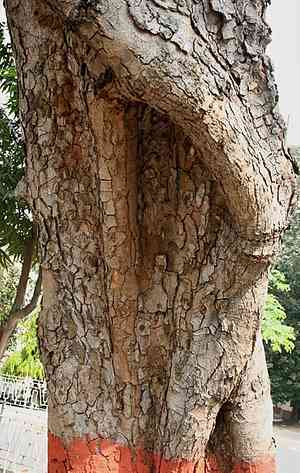
African sausage tree(Kigelia africana)

African sausage tree (Kigelia africana)

Also known as: Cucumber tree

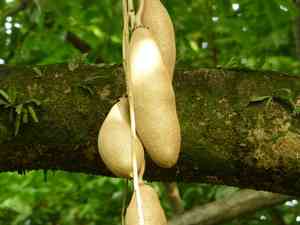
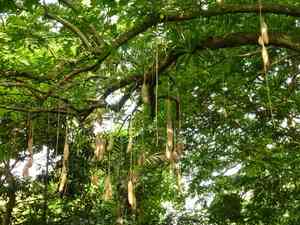
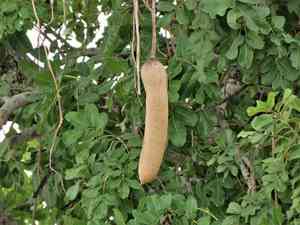
The African sausage tree (*Kigelia africana*) is native to sub-Saharan Africa. In Afrikaans, it is known as “worsboom,” “kalabasboom,” and “komkommerboom.” Its fruit is notable for its large, sausage-like shape and can weigh several kilograms, posing a risk of damage when it falls from the tree.

Attributes of African sausage tree

Lifespan
Perennial
Plant Type
Tree
Plant Height
15 m to 18 m
Spread
15 m
Leaf Color
Green
Flower Size
8-10 cm
Flower Color
Red Yellow

ForwardPlant - Identify plants with a snap

Identify and diagnose plants, get toxicity alerts, and explore safety guides for all types of fungi.

Try for Free

Images of African sausage tree

African sausage tree(Kigelia africana)

Quickly Identify African sausage tree

1
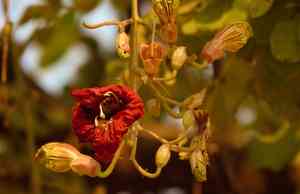
Kigelia africana can be identified by its large, sausage-shaped fruit, pinnate leaves that are dark green and glossy, and its large, bell-shaped flowers which are typically dark red or purple. The bark is grey and often cracked or fissured.

Scientific Classification of African sausage tree

Phylum
Vascular plants
Class
Dicotyledons
Order
Lamiales
Family
Bignonia
Genus
Sausage trees
Species
African sausage tree

Planting and Growing of African sausage tree

Care Difficulty
Hard
Watering Schedule
Every 4 days
Sunlight Requirements
Full sun
Sunshine Duration
4-6 hours
Ideal Temperature
68-77℉
Soil Type
Potting Mix, Peat Mix
Soil pH
6.5-7.5
Fertilizer Type
Balanced
Pruning Season
Spring, Summer
Pruning Area
Branches, Leaves
Pruning Frequency
Once a year
Repotting Season
Spring
Pot Type
Plastic, Terracotta

water icon How to Water African sausage tree?

For Kigelia africana, the watering amount needs to ensure the soil is thoroughly moist but not waterlogged. Aim for about 500 ml each time, allowing water to reach deep roots without pooling at the surface. The principle is to mimic the natural rainfall cycles of its native environment, ensuring moisture penetrates well to promote healthy growth.
What are the symptoms of an underwatered African sausage tree?
What should I do if my African sausage tree is not getting enough water?
What are the symptoms of an overwatered African sausage tree?
How to save an overwatered African sausage tree?

sunlight icon What Are the Sunlight Requirements for African sausage tree?

Sunlight Requirements: Full sun, Partial sun
Duration of light: 6 to 8 hours
Kigelia africana thrives in full sun to partial sun, ideally receiving 6 to 8 hours of light daily. Adequate light facilitates robust growth and prolific flowering in this sun-loving species.
How much light does Kigelia africana need?
Solutions for optimizing light exposure
Benefits of ideal lighting for Kigelia africana
More About Sunlight Requirements Techniques

temperature icon What Is the Ideal Temperature Range for African sausage tree?

Ideal Temperature: 68 ~ 77℉
Kigelia africana grows best in temperatures ranging from 68°F to 77°F. This range is conducive to optimum metabolic processes including photosynthesis and nutrient absorption. Within this range, the tree will show robust growth, vibrant leaves, and regular flowering cycles.

soil icon What Soil is Best for African sausage tree?

Soil type: Loam, Sandy loam, Sandy soil
Soil PH: 6.5 ~ 7.5
Kigelia africana thrives in soils that possess excellent drainage capabilities. This ensures that water does not accumulate around the roots, preventing root rot and promoting healthy plant growth. Such soils allow the roots to breathe and access necessary nutrients. The plant flourishes best in nutrient-rich soils that are brimming with organic matter. This high nutritional content supports robust growth and abundant flowering, essential for the health of Kigelia africana. While this plant requires well-draining soil, a moderate level of moisture retention is beneficial. This balance prevents the soil from drying out too quickly, ensuring sustained hydration to support continuous health and growth.

fertilize icon How to Fertilize African sausage tree?

Fertilizer type: Balanced
For Kigelia africana, it's crucial not to over-fertilize. Use approximately half the recommended dose for liquid fertilizers. A monthly liquid fertilization should involve diluting the fertilizer to half its suggested strength, generally around 1 tablespoon per gallon of water.

prune icon How to Prune African sausage tree?

Pruning Time: Spring, Summer
Before starting, make sure your tools are sterilized to prevent disease spread. Study the tree's growth pattern to determine which branches need trimming. Begin by removing any dead, dying, or diseased wood. Follow by thinning the canopy to allow sunlight penetration and air circulation. Trim back any branches that extend beyond the desired canopy shape. Prune the tree to maintain a pleasing, balanced shape. Aim for a rounded canopy that complements the natural form of the tree, adjusting your cuts to achieve even sunlight distribution. More About Pruning Techniques

propagate icon How to Propagate African sausage tree plant?

Propagate Time: Spring,Early summer
1
Collect seeds from mature pods and clean them. Soak the seeds in warm water overnight to enhance germination rates. This preparation step ensures that the seeds are ready for planting.
2
Choose healthy and semi-hardwood cuttings from the parent plant. Each cutting should be about 6-8 inches long with several nodes. This step ensures starting with the best possible material for new growth.
3
Plant the cuttings in a mixture of sand and peat moss as they offer excellent drainage and aeration. Be sure the medium is sterile to avoid fungal infections.
More About Propagating Techniques

repot icon How to Repot African sausage tree plant?

Repotting frequency: Every 2-3 years
1
Kigelia africana requires repotting when the roots start circling inside the pot or when you notice slower growth. This usually happens every two to three years. Additionally, the best time to repot is during the active growing seasons of spring or summer. Repotting during these times allows the plant to recover from the shock of being moved more quickly.
2
Select a pot that is one or two sizes larger than the current one. Ensure the pot has adequate drainage holes to prevent waterlogging, which can lead to root rot. A slightly larger pot will provide enough space for root expansion while reducing the risk of overwatering.
3
Choose a well-draining fertile loam soil for Kigelia africana. This provides the necessary nutrients and ensures proper drainage, avoiding water stagnation. A balanced soil mix limits the risk of root diseases while providing structural support for the roots.

ForwardPlant - Identify plants with a snap

Find the best spots for them to optimize their health, simply using your phone.

Try for Free

Toxicity of African sausage tree

Is African sausage tree toxic to cat?

The African sausage tree presents a moderate toxic threat to cats. Cats are generally poisoned by ingesting portions of the plant, especially the unripe fruit. Coming into contact with this plant can lead to physical discomfort, which may be exhibited through various symptoms such as gastrointestinal distress or other indications of illness. Prompt veterinary attention is crucial to safeguard the health of a cat that has consumed the African sausage tree, thereby maximizing the chances of a favorable recovery for the impacted feline.

Is African sausage tree toxic to dog?

The African sausage tree presents a moderate toxicity threat to dogs, especially when they consume its immature fruit. Dogs risk poisoning from ingesting various parts of this plant, which may trigger a range of symptoms that signify toxicity. Pet owners must remain alert for indicators such as digestive disturbances, vomiting, diarrhea, or more serious reactions that may suggest systemic effects. Should there be any suspicion that a dog has ingested any portion of the African sausage tree, it is crucial to obtain immediate veterinary assistance to ensure swift and proper treatment.

Identify toxic plants for your safety

Learn which plants are harmful to you and your pets, and make informed choices for a safer home!

Try for Free
WARNING
The judgment on toxicity and danger is for reference only. We DO NOT GUARANTEE any accuracy of such judgment. Therefore, you SHALL NOT rely on such judgment. It is IMPORTANT TO SEEK PROFESSIONAL ADVICE in advance when necessary.
More About Toxic Techniques