How to Prune Lemmon's keckiella?
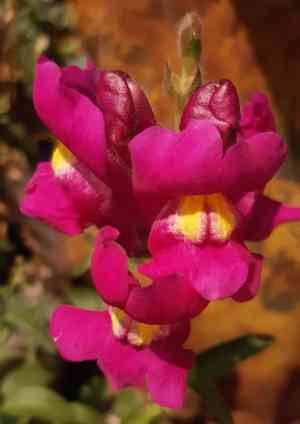
Keckiella lemmonii, an indigenous shrub recognized for its vivid, tubular blossoms, thrives with early spring trimming. This period coincides with its developmental phase, fostering more robust, denser foliage and encouraging flowering. Methods involve excising deceased or compromised limbs, moderate thinning to boost air movement, and shortening excessively long stems. Trimming improves the plant's framework, vitality, and visual attractiveness. Consistent upkeep aids in averting ailments and promotes a strong, enduring growth habit.
Advantages of Trimming Lemmon's Keckiella
Advantages of Trimming Lemmon's Keckiella
Lemmon's keckiella benefits from trimming by encouraging robust development and preserving its form. Pruning aids in size management, improves appearance, and boosts resistance to pests and illnesses. Regular trimming fosters healthy growth and abundant blooms.
Optimal Period for Pruning Lemmon's Keckiella
Optimal Period for Pruning Lemmon's Keckiella
Trimming or shaping lemmon's keckiella in early spring is ideal as this timeframe aligns with the start of its active growth phase. During early spring, lemmon's keckiella begins to emerge from dormancy, making it the best moment to remove any dead or damaged branches and to shape the plant before new growth commences. Pruning in early spring minimizes plant stress and can enhance its overall health and blooming potential. Additionally, this timing allows for rapid recovery and vigorous new growth, ensuring a strong and attractive plant throughout the growing season.
Necessary Tools for Pruning Lemmon's Keckiella
Hand Pruners
Hand pruners are perfect for making precise cuts on lemmon's keckiella's slender stems. These tools offer superior control and minimize plant damage.
Bypass Pruners
Bypass pruners are better suited for living wood, which is the case with lemmon's keckiella. They provide a clean cut, promoting better healing.
Pruning Shears
Pruning shears are useful for shaping lemmon's keckiella and maintaining its desired size, especially when dealing with multiple stems.
Loppers
Loppers can be used for cutting through thicker stems that hand pruners cannot manage. Lemmon's keckiella might develop thicker stems as it matures, so loppers will be necessary for older plants.
Pruning Saw
A pruning saw is required for any larger branches that loppers cannot handle. While lemmon's keckiella generally doesn't have very thick branches, it's useful to have a pruning saw for any unexpected thicker growth.
How to Prune Lemmon's Keckiella
Inspection
Begin by examining lemmon's keckiella for any diseased, withered leaves, or dead branches. Identifying the plant parts that require removal is crucial for effective pruning.
Tool Sterilization
Sterilize your pruning tools with a solution of one part bleach to nine parts water. This helps prevent the spread of pathogens and ensures clean cuts.
Remove Diseased Leaves
Carefully trim away any diseased leaves using sterilized pruning shears. Ensure you cut back to healthy tissue to prevent disease spread.
Remove Withered Leaves
Cut off all withered leaves. Trim back to a healthy part of the plant to avoid unnecessary stress and promote new growth.
Remove Dead and Diseased Branches
Prune any dead or diseased branches. Make clean cuts close to the main stem or to the next healthy node to encourage proper healing and growth.
Common Pruning Errors with Lemmon's Keckiella
Over-pruning
Removing too much can stress the plant and hinder blooming. It's important to prune conservatively to avoid weakening lemmon's keckiella.
Incorrect technique
Using dull or unsuitable tools can cause jagged cuts that take longer to heal, making the plant vulnerable to diseases. Always use sharp, clean pruning shears or loppers.
Pruning too early
Pruning before lemmon's keckiella has had a chance to establish growth for the season can reduce its vigor and flowering potential. Timing is crucial for encouraging optimal growth.
Ignoring damaged branches
Failing to remove damaged or diseased branches can spread infection and stress the plant. Prioritize the removal of these branches to maintain plant health.
General Pruning Advice for Lemmon's Keckiella
Sanitizing tools
Disinfect pruning tools before and after use to prevent disease transmission. A simple solution of one part bleach to nine parts water works well.
Cutting at the right angle
Make clean cuts at a 45-degree angle to promote rapid healing and direct water away from the cut area, preventing rot.
Focus on shape
Shape lemmon's keckiella to maintain its natural form and encourage even growth. This often involves selectively thinning out crowded areas to allow sunlight and air to reach the plant's interior.
Removing deadwood
Identify and remove deadwood promptly. This not only keeps lemmon's keckiella healthy but also enhances its aesthetic appeal and overall structure.
Post-pruning care
Apply a balanced fertilizer after pruning to support crucial new growth and ensure that lemmon's keckiella has the nutrients needed to recuperate and thrive.



