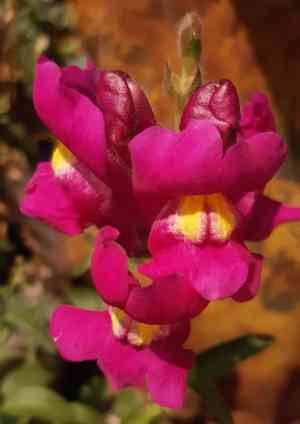
Lemmon's keckiella (Keckiella lemmonii)
Also known as: Penstemon lemmonii
Lemmon's keckiella, a striking flowering shrub, is native to mountainous areas. It thrives in sunny, open locations, allowing its woody stems to develop into a compact form. The plant features tubular, bright-red flowers that stand out against its green leaves, drawing in hummingbirds that are essential for pollination. These flowers become most prominent during the warmer seasons, making Lemmon's keckiella a notable presence in its natural environment.
In This Article
Attributes of Lemmon's keckiella
Lifespan
Perennial
Plant Type
Shrub
Plant Height
Usually between 1 and 3 feet (30 to 90 cm)
Spread
About 1 to 2 feet (30 to 60 cm)
Leaf Color
Green with a fuzzy texture
Flower Size
Flowers are about 1 inch (2.5 cm) across
Flower Color
Reddish-orange
Images of Lemmon's keckiella
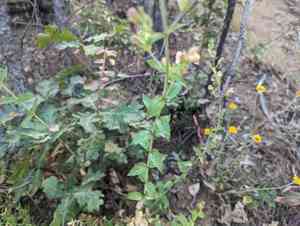
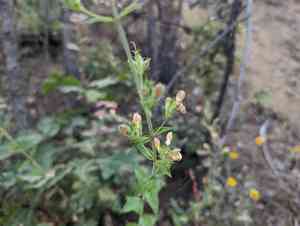
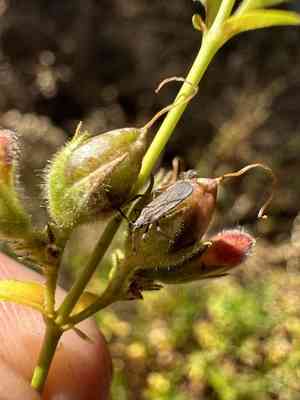
Quickly Identify Lemmon's keckiella
1
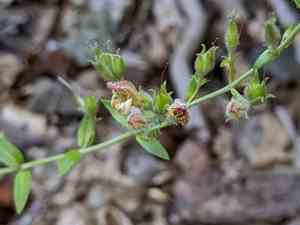
Keckiella lemmonii can be identified by its sprawling shrub form, tubular reddish-orange flowers, and fuzzy green leaves. It often has a climbing or sprawling habit, making it distinguishable among chaparral plants.
Scientific Classification of Lemmon's keckiella
Phylum
Vascular plants
Class
Dicotyledons
Order
Lamiales
Family
Plantain
Genus
Keckiellas
Species
Lemmon's keckiella
Planting and Growing of Lemmon's keckiella
Care Difficulty
Moderate
Watering Schedule
Every 2 days
Sunlight Requirements
Full sun
Sunshine Duration
4-6 hours
Ideal Temperature
60-75℉
Soil Type
Potting Mix, Peat Mix
Soil pH
6-7.5
Fertilizer Type
Balanced
Pruning Season
Spring, Summer
Pruning Area
Branches, Leaves
Pruning Frequency
2 times a year
Repotting Season
Spring
Pot Type
Terracotta, Plastic
 How to Water Lemmon's keckiella?
For Keckiella lemmonii, the watering amount should be just enough to moisten the soil without causing it to be soggy. Typically, about 250 ml of water per session works well, but always check the soil first. The top inch should feel dry before you water again. Overwatering can suffocate the roots, while underwatering might leave them parched.
What are the symptoms of an underwatered Lemmon's keckiella?
›
What should I do if my Lemmon's keckiella is not getting enough water?
›
What are the symptoms of an overwatered Lemmon's keckiella?
›
How to save an overwatered Lemmon's keckiella?
›
 What Are the Sunlight Requirements for Lemmon's keckiella?
Keckiella lemmonii prefers partial to full sunlight conditions, promoting optimal flowering and vigorous growth. Adequate sunlight leads to vibrant blooms and healthy development.
What is the optimal light condition for Keckiella lemmonii?
›
What solutions exist to achieve ideal light conditions?
›
What benefits occur with ideal light exposure?
›
 What Is the Ideal Temperature Range for Lemmon's keckiella?
The ideal temperature range for Keckiella lemmonii is between 60°F and 75°F. This range ensures optimal growth and blooming. Maintaining temperatures within this range mimics its natural habitat, which contributes to healthy development and resilience against pests and diseases.
 What Soil is Best for Lemmon's keckiella?
Keckiella lemmonii thrives best in well-draining soil. This helps prevent waterlogging, which can lead to root rot and other issues. A sandy loam or loam soil usually provides the right balance of nutrients and drainage. While Keckiella lemmonii isn't overly fussy, having a nutrient-rich environment can greatly enhance its growth. Incorporating organic matter into the soil can boost nutrient content and improve soil structure, aiding in the plant's overall health and flower production. This plant prefers soil that retains some moisture but is not overly wet. Ensuring moderate moisture levels can support the plant's hydration needs while minimizing the risk of fungal diseases, enhancing its vigorous growth and flowering potential.
 How to Fertilize Lemmon's keckiella?
Keckiella lemmonii, like many native Californian plants, is adapted to nutrient-poor soils. Hence, it requires careful fertilization. When using liquid fertilizers, apply at half the strength recommended by the manufacturer. For slow-release fertilizers, use no more than one tablespoon per plant, sprinkled around the root zone.
 How to Prune Lemmon's keckiella?
When pruning Keckiella lemmonii, use clean, sharp secateurs to make cuts. Focus on cutting just above a node or a growth point to stimulate new growth. Aim for an open structure to enhance air circulation and light penetration. Remember, less is more with Keckiella—don't prune excessively.
More About Pruning Techniques→
 How to Propagate Lemmon's keckiella plant?
1
Prepare a seed tray with moist, well-draining soil. Ensure that the soil is free from pests and diseases to promote healthy seed germination.
2
Select healthy cuttings from the parent plant. Cut 4-6 inch long stems with clean shears, ensuring each has several leaves and is disease-free.
3
Insert cuttings into prepared pots with a soil mix. Water them lightly and maintain high humidity to stimulate root development.
 How to Repot Lemmon's keckiella plant?
1
Keckiella lemmonii should be repotted when you notice roots emerging from drainage holes or the soil dries out too quickly after watering. These signs suggest the plant has outgrown its pot, and repotting will provide more space for root development and nutrient access.
2
Choose a pot that is one to two inches larger in diameter than the current pot. It should have ample drainage holes to prevent waterlogging, which can cause root rot. A slightly larger pot encourages root growth and stabilizes the plant, supporting its overall health and development.
3
Opt for a well-draining potting mix, ideally a blend of sand, perlite, and a small amount of organic compost. Well-draining soil ensures excess water filters out quickly, preventing roots from sitting in water and reducing the risk of fungal diseases.
Learn More About Lemmon's keckiella Diseases
Anthracnose
Bacterial Leaf Spot
Bacterial Wilt
Crown Gall
Cyst Nematode
Damping-off
Downy Mildew
Drought Stress
Fusarium Wilt
Gray Mold
Leaf Curl
Leaf Spot
Mosaic
Nutrient Deficiency
Nutrient Toxicity
Powdery Mildew
Root Rot
Root-knot Nematode
Rusts
Sooty Mold
Spider Mites
Temperature Stress
Thrips Damage
White Mold



