How to Prune Tropical-crocus?
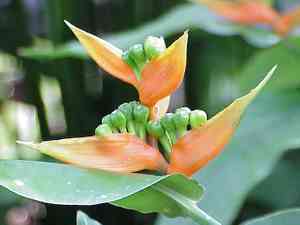
This enduring herbaceous species, recognized for its impressive blossoms and leaves, needs only slight trimming to preserve its form and foster development. Trim tropical-crocus in the springtime when fresh shoots emerge, removing any withered or compromised foliage. Throughout the summer and autumn, remove faded flowers to encourage additional blooming. Pruning not only maintains the neatness of tropical-crocus but also stimulates new development, guaranteeing a dense and lively presentation. Always employ sanitized, sharp implements to avert the spread of pathogens.
Advantages of Trimming Tropical-crocus
Advantages of Trimming Tropical-crocus
Trimming tropical-crocus promotes more vivid blooms, stimulates robust development, and helps maintain its desired form, ensuring both vitality and visual appeal.
Optimal Time for Trimming Tropical-crocus
Optimal Time for Trimming Tropical-crocus
The best periods for trimming tropical-crocus are during Spring, Summer, and Early Fall. These seasons are ideal for several reasons: Spring is perfect as tropical-crocus awakens from dormancy and begins active growth. Trimming then can encourage new growth and help shape the plant. In Summer, tropical-crocus is actively growing, and light trimming can help maintain its shape and foster a strong structure. Early Fall trimming is suitable for removing spent flowers or damaged foliage before winter dormancy, but avoid heavy pruning to prevent new growth vulnerable to cold. Do not prune tropical-crocus in late Fall, as the plant needs to harden before the cold season. Pruning during active growth phases contributes to overall health, allowing tropical-crocus ample time to heal and reducing disease or pest risk.
Tools Required for Trimming Tropical-crocus
Hand Pruners
Perfect for cutting thin stems and dead leaves. As tropical-crocus is not a large plant, precise, clean cuts are essential to prevent harm to its delicate parts.
Garden Scissors
These are useful for trimming smaller, more accessible sections of tropical-crocus. Their adaptability makes them suitable for detailed tasks.
Pruning Shears
For stronger, slightly thicker stems or for shaping tropical-crocus, which might need more force for a clean cut without damaging the plant.
Gloves
To safeguard hands from sharp edges and potential skin irritants while handling tropical-crocus.
How to Trim Tropical-crocus
Sanitize tools
Before beginning to trim tropical-crocus, disinfect pruning tools with rubbing alcohol or a 10% bleach solution to prevent disease transmission.
Remove diseased leaves
Carefully cut off any diseased leaves from tropical-crocus at the stem's base, ensuring not to tear the plant's tissue, which could allow pathogens entry.
Trim withered leaves
Remove any withered leaves from tropical-crocus at the point where they meet healthy tissue, making clean cuts for quick healing and minimal plant stress.
Deadhead flowers
Deadhead faded flowers by snipping them off tropical-crocus just above the nearest set of healthy leaves to encourage more blooms and prevent seed formation, which can deplete plant energy.
Cleanup
After trimming tropical-crocus, clear all cuttings from the area to lessen the risk of fungal or bacterial diseases and improve the plant's appearance.
Common Trimming Errors with Tropical-crocus
Excessive trimming
Cutting back too much of tropical-crocus's foliage at once can stress the plant, potentially leading to reduced vigor and fewer flowers.
Imprecise cuts
Making jagged or torn cuts can create open wounds on tropical-crocus that are more vulnerable to disease and pest infestations.
Removing healthy growth
Unnecessarily cutting away healthy leaves and stems on tropical-crocus can limit the plant's ability to photosynthesize and thrive.
Ignoring diseased or damaged material
Failing to remove diseased, damaged, or dead material from tropical-crocus can lead to further disease and pest issues.
Trimming without sterilizing tools
Using tools that are not sterilized before trimming tropical-crocus can spread diseases from one plant to another.
Inconsistent post-trimming care
Neglecting to provide tropical-crocus with proper care (such as watering and feeding) after trimming can hinder recovery and regrowth.
General Trimming Advice for Tropical-crocus
Sterilize tools
Always sterilize trimming tools before and after use to prevent the spread of disease to tropical-crocus.
Clean cuts
Make clean, sharp cuts to avoid damaging tropical-crocus's tissues and to promote quicker healing.
Focus on damaged material
Trim away any dead, diseased, or damaged leaves and stems from tropical-crocus to maintain plant health and aesthetics.
Trim for shape
Lightly trim tropical-crocus to maintain its desired shape and to encourage a more bushy appearance.
Thin out dense areas
Thin out any overly dense areas of tropical-crocus to improve air circulation, which reduces the risk of fungal diseases.
Use appropriate tools
Employ the correct-sized trimming tools for tropical-crocus to ensure precision and to avoid causing unnecessary harm to the plant.
Moderate trimming
Conduct moderate and selective trimming to avoid shocking tropical-crocus and to maintain its natural growth patterns.
Aftercare
Provide tropical-crocus with appropriate aftercare following trimming, ensuring it has sufficient water and nutrients to support regrowth.



