Tropical-crocus (Kaempferia rotunda)
Also known as: Himalayan crocus
Kaempferia rotunda, often referred to as "round-rooted galangal," is a plant species originating from India and China. It is also commonly known by names such as "champs," "Bhūmi," "peacock ginger," and "Indian crocus." This species is part of the ginger family.
In This Article
Attributes of Tropical-crocus
Lifespan
Perennial
Plant Type
Herb
Plant Height
25 cm
Spread
30 cm to 60 cm
Leaf Color
Green with dark green or purple patterns
Flower Size
2-3 cm (0.8-1.2 inches)
Flower Color
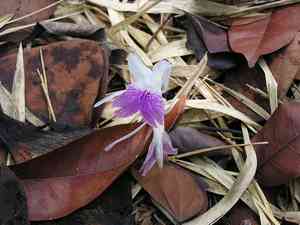
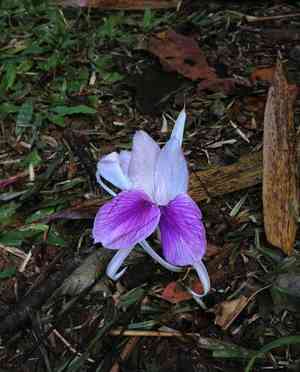
White Purple
Images of Tropical-crocus
Quickly Identify Tropical-crocus
1
Identify Kaempferia rotunda by its broad, green, finger-shaped leaves which often have dark green or purple patterns. The plant produces small, white to pinkish flowers. Its rhizomes are thick and aromatic.
Scientific Classification of Tropical-crocus
Phylum
Vascular plants
Class
Monocotyledons
Order
Zingiberales
Family
Ginger
Genus
Peacock gingers
Species
Tropical-crocus
Planting and Growing of Tropical-crocus
Care Difficulty
Easy
Watering Schedule
Every 4 days
Sunlight Requirements
Partial sun
Sunshine Duration
4-8 hours
Ideal Temperature
70-85℉
Soil Type
Potting Mix, Peat Mix
Soil pH
5.5-7.5
Fertilizer Type
Balanced
Pruning Season
Spring, Summer
Pruning Area
Branches, Leaves
Pruning Frequency
2 times a year
Repotting Season
Spring
Pot Type
Plastic, Ceramic
 How to Water Tropical-crocus?
For Kaempferia rotunda, the ideal watering amount is around 250 milliliters each time. This ensures that the soil is adequately moist without becoming waterlogged. Ensure that the water reaches the roots, providing them with enough hydration to support the plant's growth, but avoid over-saturation to prevent root rot.
What are the symptoms of an underwatered Tropical-crocus?
›
What should I do if my Tropical-crocus is not getting enough water?
›
What are the symptoms of an overwatered Tropical-crocus?
›
How to save an overwatered Tropical-crocus?
›
 What Are the Sunlight Requirements for Tropical-crocus?
Partial sun to full shade is ideal, offering Kaempferia rotunda the perfect balance between light accessibility and protection from harsh, direct rays. This setting supports healthy leaf condition and plant vitality.
More About Sunlight Requirements Techniques→
How much sun does Kaempferia rotunda need?
›
What are the solutions for achieving ideal light?
›
What benefits does ideal lighting provide to the plant?
›
 What Is the Ideal Temperature Range for Tropical-crocus?
For Kaempferia rotunda to thrive, the ideal temperature range falls between 70°F and 85°F. This range matches their native tropical climates. Maintaining this temperature provides a stable growth environment, ensuring healthy leaves and vibrant flowers.
 What Soil is Best for Tropical-crocus?
Kaempferia rotunda thrives in well-drained soil, which prevents waterlogging and root rot. Proper drainage ensures that the plant roots have enough oxygen, promoting healthy growth and vibrant foliage. This plant prefers soil rich in organic matter, which supplies essential nutrients, improving overall plant health and blooming capacity. Compost or well-rotted manure can enhance soil fertility significantly. Maintaining a consistently moist environment without oversaturating the soil is crucial for this plant. This balance helps prevent stress on the plant, leading to robust growth and resistance to pests.
 How to Fertilize Tropical-crocus?
When applying fertilizer to Kaempferia rotunda, it's important to use moderation. For liquid fertilizer, a concentration of half the recommended dosage is generally sufficient, around 10-15 ml per liter of water. For solid fertilizer, use roughly 25 grams per plant. This ensures that the plant receives essential nutrients without overwhelming it.
 How to Prune Tropical-crocus?
While it's important to maintain Kaempferia rotunda's shape and health, avoid excessive pruning as it can stress the plant. Prune gradually and assess the impact before proceeding with more aggressive cuts. Always use clean and sterile tools when pruning to prevent the introduction of pathogens that could harm the plant. Wipe the blades with alcohol before and after use to ensure they are sanitized and ready for delicate work.
More About Pruning Techniques→
 How to Propagate Tropical-crocus plant?
1
Choose a healthy and mature Kaempferia rotunda with well-developed rhizomes. Water the plant a day before propagation to ease the extraction and minimize stress.
2
Carefully dig up the plant to expose the rhizomes. Using a sharp knife, cut the rhizomes into sections, ensuring that each section has at least one growth bud or shoot.
3
Plant each divided section into individual pots or directly into a prepared garden bed. Water them thoroughly to help settle the soil around the newly planted rhizomes.
 How to Repot Tropical-crocus plant?
1
Repotting Kaempferia rotunda should be considered when you notice overcrowding in the pot, roots emerging from drainage holes, or when the soil loses its nutrients. Spring and early summer are optimal repotting times to encourage robust growth. The plant shows sluggish growth and yellowing leaves, indicating the need for fresh soil and more space.
2
Select a pot that is 1-2 inches larger in diameter than the current one. Ensure it has adequate drainage holes to prevent waterlogging, which can cause root rot. A wider pot is beneficial as it allows the rhizomes to expand properly. Ceramic pots work well as they are breathable, ensuring better aeration for the roots.
3
Use a well-draining loamy mix enriched with organic matter. This type of soil ensures that the Kaempferia rotunda receives sufficient nutrients and maintains the right moisture levels without becoming waterlogged. Adding perlite or sand helps improve drainage and aeration, essential for healthy rhizome development.



