How to Prune Kadsura coccinea?
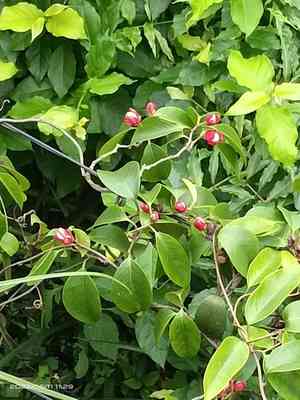
Trim kadsura coccinea, a scandent bush recognized for its vibrant crimson berries and persistent leaves, in the latter part of winter or early spring to encourage development and preserve its form. During this inactive phase, eliminate any deceased or overly dense limbs to improve the ingress of light and the movement of air, which are vital for the plant's well-being and its fruit yield. Strategic trimming also deters excessive leafy expansion, directing the plant's resources toward cultivating more robust, fruitful branches. Consistent reduction enhances general vigor and visual attractiveness.
Advantages of Trimming Kadsura Coccinea
Advantages of Trimming Kadsura Coccinea
Trimming kadsura coccinea encourages robust development and maintains its form. Consistent cutting helps redirect energy to healthier branches and leaves, boosting the plant's overall vigor and visual appeal.
Ideal Time for Trimming Kadsura Coccinea
Ideal Time for Trimming Kadsura Coccinea
Trimming kadsura coccinea in late winter or early spring is considered optimal because this period aligns with the plant's dormant stage, just before new growth begins. Pruning at this time minimizes stress on kadsura coccinea, as its metabolic activity is lower. Additionally, removing dead or excess branches then enhances the plant's vitality and allows for strong new growth in spring. This timing also helps prevent disease spread, which is more likely to infect open wounds during warmer, wetter seasons. Furthermore, since kadsura coccinea flowers and fruits later in the year, late winter or early spring pruning ensures that flower buds set after pruning will not be removed, thus preserving the plant's blossoming and fruiting potential.
Tools Required for Trimming Kadsura Coccinea
Hand Pruners
Perfect for making clean, precise cuts on kadsura coccinea's smaller stems and branches, which is essential for avoiding harm to the main structure while encouraging healthy new growth.
Loppers
Useful for reaching deeper or higher branches due to their long handles, specifically for kadsura coccinea's potentially thicker and taller areas, ensuring efficient pruning without unnecessary plant damage.
Pruning Saw
Essential for handling kadsura coccinea's potentially thicker branches that hand pruners and loppers might not manage effectively. This tool allows for clean cuts on larger branches, crucial for maintaining plant health and appearance.
How to Trim Kadsura Coccinea
Identify
Locate and assess diseased and withered leaves on kadsura coccinea. Carefully examine the plant for discolored leaves, signs of fungal infection, or dry and dead foliage. This ensures only necessary parts are removed, promoting healthy growth.
Sanitize
Disinfect pruning tools before starting. Use a 10% bleach solution or alcohol to clean your shears. This prevents disease transmission between plants and ensures clean cuts that heal more efficiently.
Prune
Carefully remove diseased leaves and branches on kadsura coccinea. Use sharp, clean pruning shears for precise cuts. Cut close to the base of the leaf stem, but be careful not to damage the main branches or stems, which can impede growth.
Dispose
Properly discard removed material. Do not compost diseased leaves as they can spread pathogens. Bag and remove them from your garden area to prevent reinfection or disease spread.
Monitor
Regularly observe kadsura coccinea after pruning. Check for new growth and any signs of remaining or new disease. Continuous monitoring aids in early detection and management of potential issues.
Common Trimming Errors with Kadsura Coccinea
Excessive Pruning
Removing too many branches from kadsura coccinea can severely harm the plant's overall health. This often leads to reduced vigor and fewer flowers, as kadsura coccinea requires ample foliage to support its growth and blooming.
Incorrect cut placement
Cuts made too far from the bud or node can result in stubs that delay wound healing and encourage pest infestation or disease entry. Conversely, cuts too close to the bud can damage it, leading to poor or no new growth.
Using dull tools
Pruning with blunt instruments can lead to jagged cuts, which are more susceptible to diseases and pests. Such cuts also stress kadsura coccinea, harming its overall health and appearance.
Neglecting tool sanitation
Not sterilizing pruning tools before use on kadsura coccinea can spread diseases from infected plants to healthy ones. It's crucial to clean tools before and after each pruning session.
General Trimming Advice for Kadsura Coccinea
Optimal cut technique
Make clean, angled cuts just above a bud or leaf node, ensuring the angle slopes away from the bud, which protects the developing shoot from water damage and promotes healthy regrowth.
Maintenance pruning
Regularly remove dead, diseased, or damaged branches to maintain the health and appearance of kadsura coccinea. This practice encourages better air circulation and light penetration, vital for the growth and health of kadsura coccinea.
Selective thinning
Focus on thinning rather than topping to keep kadsura coccinea shapely and open to sunlight and air flow. Selective removal of some branches right back to their point of origin will enhance kadsura coccinea's natural form and promote healthy, new growth.
Rejuvenation pruning
Every few years, consider more aggressive pruning to rejuvenate kadsura coccinea's growth. Remove older stems to stimulate the development of new, vigorous branches that can produce more flowers and maintain a youthful structure.



