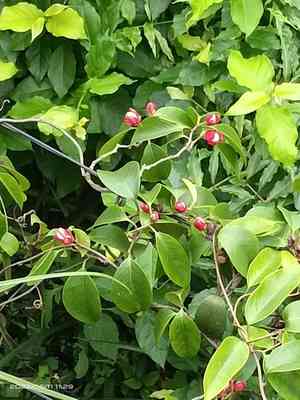
Kadsura coccinea (Kadsura coccinea)
Also known as: Scarlet Kadsura, Red Kadsura
Aucuba japonica, also known as Japanese laurel, is a shrub that graces the shaded understories of East Asian forests with its leathery, glossy leaves and vibrant red berries. In the spring, it produces small, purple flowers that, while not particularly showy, play a crucial role in its pollination. This hardy plant thrives in low-light conditions, making it a standout with its lush foliage in the dim forest environment.
In This Article
Attributes of Kadsura coccinea
Lifespan
Perennial
Plant Type
Vine
Plant Height
3-8 meters
Spread
2-4 meters
Leaf Color
Green
Flower Size
1-2 centimeters
Flower Color
White Red Green
Images of Kadsura coccinea
Quickly Identify Kadsura coccinea
1
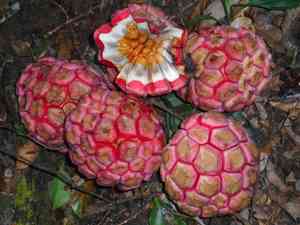
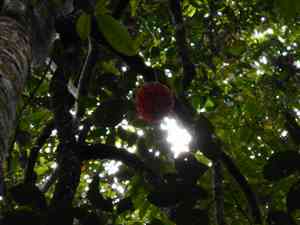
To identify Kadsura coccinea, look for its climbing shrub habit, glossy green leaves, and bright red fruits. The flowers are small and inconspicuous, but the vibrant fruits make it easily recognizable.
Scientific Classification of Kadsura coccinea
Phylum
Vascular plants
Class
Dicotyledons
Order
Austrobaileya, anises, and allies
Family
Schisandra
Genus
Kadsura
Species
Kadsura coccinea
Planting and Growing of Kadsura coccinea
Care Difficulty
Easy
Watering Schedule
Every 4 days
Sunlight Requirements
Partial sun
Sunshine Duration
6-10 hours
Ideal Temperature
60-80℉
Soil Type
Potting Mix, Peat Mix
Soil pH
5.5-6.5
Fertilizer Type
Balanced
Pruning Season
Spring, Summer
Pruning Area
Branches, Leaves
Pruning Frequency
2 times a year
Repotting Season
Spring
Pot Type
Plastic, Ceramic
 How to Water Kadsura coccinea?
Kadsura coccinea prefers moderate watering. Each time, apply about 300 milliliters of water, ensuring the soil remains evenly moist but not soggy. The key is to let the top of the soil dry out slightly between waterings to prevent root rot.
What are the symptoms of an underwatered Kadsura coccinea?
›
What should I do if my Kadsura coccinea is not getting enough water?
›
What are the symptoms of an overwatered Kadsura coccinea?
›
How to save an overwatered Kadsura coccinea?
›
 What Are the Sunlight Requirements for Kadsura coccinea?
Partial sun exposure ensures Kadsura coccinea can perform photosynthesis efficiently, leading to robust growth and vibrant leaf coloration. Adequate light supports nutrient absorption and health.
Understanding Optimal Light
›
Strategies for Ideal Light Conditions
›
Benefits of Optimal Light
›
 What Is the Ideal Temperature Range for Kadsura coccinea?
The ideal temperature range for Kadsura coccinea is between 60°F and 80°F. This temperature range supports healthy growth and flowering by ensuring suitable metabolic and physiological conditions.
 What Soil is Best for Kadsura coccinea?
Kadsura coccinea thrives in well-drained soil that prevents waterlogging. This is crucial for the plant's root system to breathe and function effectively, thus supporting healthy growth and vibrant foliage. The plant prefers moderately fertile soil, which provides essential nutrients without overwhelming the roots. Proper fertility promotes robust plant health and improves flowering and fruiting. A slightly acidic to neutral pH is ideal for Kadsura coccinea as it ensures optimal nutrient availability. This pH range supports proper physiological processes and enhances the plant's growth potential.
 How to Fertilize Kadsura coccinea?
For Kadsura coccinea, it's crucial to maintain balanced nutrition without overloading. Use approximately 1/2 strength of a balanced liquid fertilizer every two weeks during its growing season. For slow-release fertilizers, distribute evenly around the base in early spring, ensuring no granular concentrate too close to the stem, which can burn plant tissues.
 How to Prune Kadsura coccinea?
Start by inspecting the plant for any dead, damaged, or diseased branches. Removing these parts first will redirect the plant's energy towards healthier growth and improve air circulation. After addressing the unhealthy parts, focus on shaping the plant. Trim back overgrown areas to maintain a desirable size and shape. This not only enhances the plant's appearance but also aids in sunlight penetration and air circulation. When pruning, always consider the plant's future growth. Make cuts just above a healthy bud to encourage new shoots in the desired direction. This strategic cutting ensures a fuller and more balanced growth pattern.
More About Pruning Techniques→
 How to Propagate Kadsura coccinea plant?
1
Begin by selecting healthy seeds to ensure higher germination rates. Soak seeds in water for 24 hours to help soften the seed coat, making it easier for the seedlings to emerge.
2
Select a healthy parent plant and take 10-15 cm cuttings with at least two leaf nodes using sterilized pruning shears. Remove leaves from the lower half to promote root development.
3
Select a low-growing branch of the Kadsura coccinea plant, bend it to the ground, and cover part of it with soil. Secure it with a U-shaped pin to encourage rooting while still attached to the parent plant.
 How to Repot Kadsura coccinea plant?
1
Look for signs such as roots emerging from drainage holes or stunted growth. It's essential to repot when the plant's roots have outgrown the current pot, ensuring further healthy development.
2
Select a pot slightly larger than the current one, with ample drainage holes. This prevents waterlogging and encourages robust root development, providing your plant the space and drainage it needs to thrive.
3
Opt for a well-draining acidic soil mixture, enriched with organic matter. This ensures adequate drainage while providing essential nutrients, crucial for Kadsura coccinea's optimal growth and health.
Learn More About Kadsura coccinea Diseases
Anthracnose
Bacterial Leaf Spot
Bacterial Soft Rot
Bacterial Wilt
Black Spot
Chemical Injury
Crown Gall
Cyst Nematode
Damping-off
Downy Mildew
Drought Stress
Fusarium Wilt
Gray Mold
Leaf Curl
Leaf Spot
Mosaic
Nutrient Deficiency
Nutrient Toxicity
Powdery Mildew
Root Rot
Root-knot Nematode
Rusts
Sooty Mold
Spider Mites
Temperature Stress
Thrips Damage
White Mold



