How to Prune Stinking juniper?
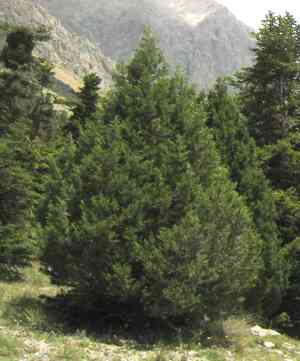
Juniperus foetidissima, recognized for its strong scent and thick canopy, thrives with deliberate trimming to preserve its form and encourage vigorous development. The most suitable periods for pruning are late winter and early spring, coinciding with its natural growth phase. Eliminate any lifeless or ailing branches to avert disease, and thin congested sections to improve air movement. Trimming during these intervals reduces strain and optimizes regeneration. Consistent pruning contributes to a neat look and fosters sturdy progress.
What Are the Benefits of Pruning Stinking Juniper?
What Are the Benefits of Pruning Stinking Juniper?
Trimming stinking juniper promotes vigorous development and helps maintain its form. This practice ensures robust growth, boosts resistance to pests and illnesses, and keeps the plant's size manageable, aligning with horticultural best practices.
What Is the Best Time for Pruning Stinking Juniper?
What Is the Best Time for Pruning Stinking Juniper?
The optimal periods for trimming stinking juniper are early spring and late winter. During these times, the plant is in its dormant state, minimizing the risk of harming new growth. Pruning in late winter prepares the plant for a surge of growth in the spring. Early spring pruning assists in shaping the plant before the growing season commences. Both seasons are ideal as they precede the active growth phase and avoid interfering with any potential blooming or fruiting cycles, thereby fostering overall plant health and vitality.
What Tools Do I Need to Prune Stinking Juniper?
Bypass Pruners
Bypass pruners are crucial for making clean cuts on smaller branches and stems. They are perfect for cutting branches up to 3/4 inch thick, which is typical for the delicate outer growth of stinking juniper.
Loppers
Loppers are effective for cutting thicker branches, usually up to 2 inches in diameter. They provide the necessary leverage to trim medium-sized branches without harming the plant.
Pruning Saw
A pruning saw is essential for removing larger branches that exceed the capacity of loppers. This tool ensures smooth and precise cuts on thicker wood, which is vital for maintaining the health of stinking juniper.
Hand Shears
Hand shears are excellent for detailed shaping and trimming of small twigs and foliage. This is especially useful for aesthetic pruning and encouraging the desired growth pattern in stinking juniper.
How to Prune Stinking Juniper
Inspect
Carefully examine stinking juniper for dead and diseased branches, pinpointing the specific areas needing attention.
Sanitize
Sterilize your pruning tools with a solution of one part bleach to nine parts water to prevent the spread of pathogens.
Remove dead
Cut away dead branches, making clean cuts just above where they join healthy wood, ensuring not to damage the main stem.
Remove diseased
Eliminate diseased branches, cutting back well into healthy wood to prevent further spread of disease, and dispose of them properly.
Clean up
After pruning, clean and sanitize your tools again, and gather all clippings and debris around stinking juniper to maintain plant health and prevent re-infection.
Common Pruning Mistakes with Stinking Juniper
Over-pruning
Removing too much foliage in a single session can stress stinking juniper and impede its development.
Incorrect Technique
Using dull or dirty tools can result in jagged cuts, increasing the risk of disease.
Pruning at the Wrong Time
Trimming during unsuitable periods can lead to vulnerability to stress and infections.
Ignoring Dead or Diseased Wood
Failing to remove dead or diseased wood can spread infections and impact overall plant health.
Improper Shaping
Cutting without a clear strategy can lead to an uneven or unnatural shape, potentially harming the aesthetic appeal and health of stinking juniper.
Common Pruning Tips for Stinking Juniper
Use Sharp, Clean Tools
Always use well-maintained tools to make clean, precise cuts and prevent disease transmission.
Focus on Dead or Diseased Wood
Regularly inspect stinking juniper and remove any dead, damaged, or diseased branches to maintain plant health.
Maintain Natural Shape
Prune with care to respect stinking juniper's natural growth pattern, ensuring an aesthetically pleasing appearance and robust health.
Remove Crossed Branches
Identify and remove branches that rub or cross each other to prevent wounds and promote air circulation.
Gradual Pruning
If significant pruning is needed, spread it over several seasons to avoid over-stressing stinking juniper.



